







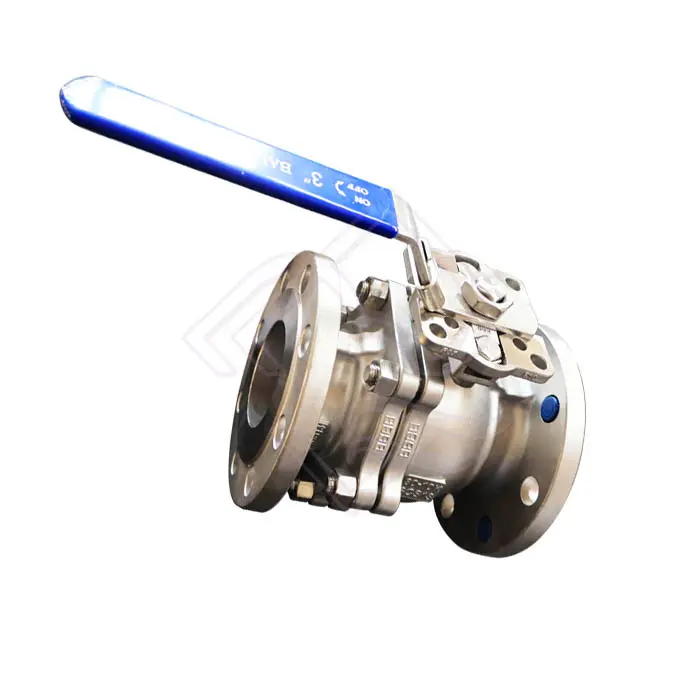
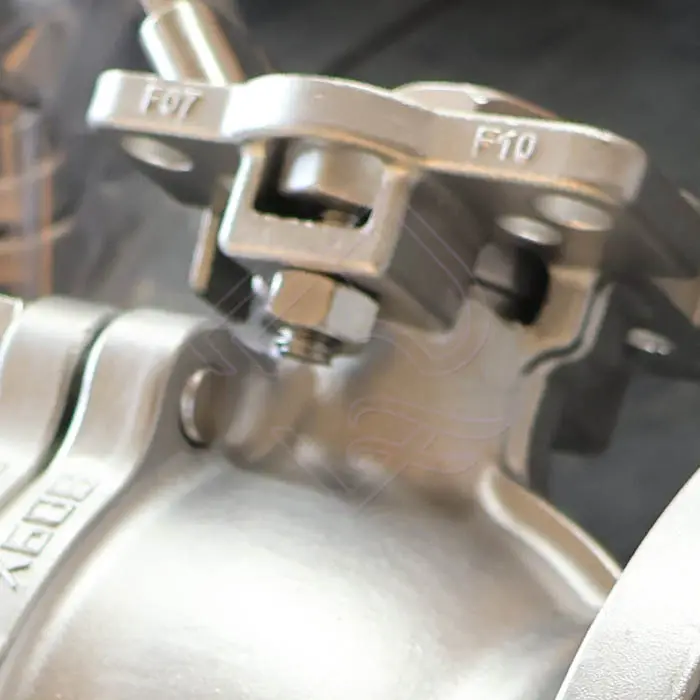
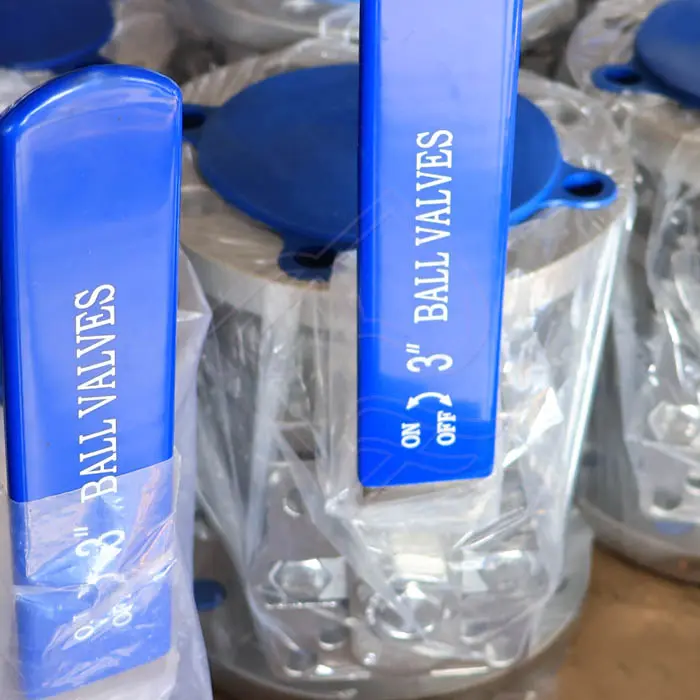
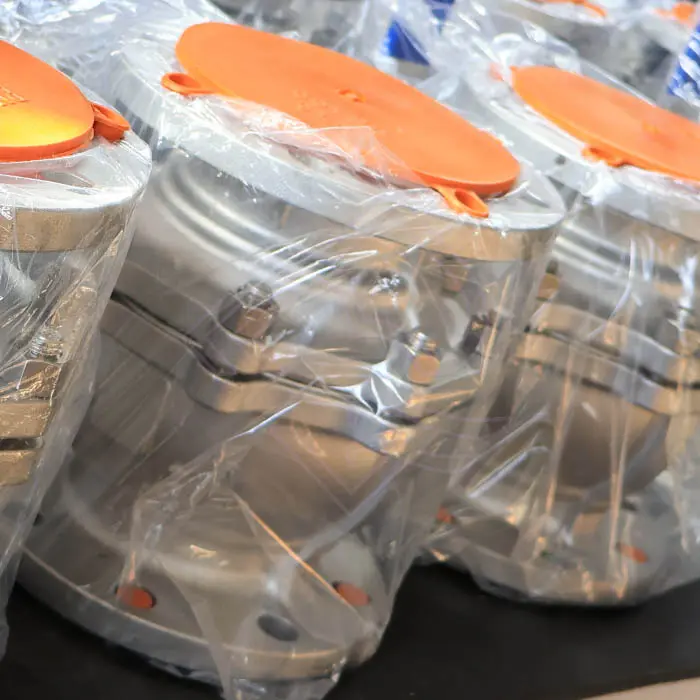
JIS 10K SCS13 Stainless Steel Flange End Ball Balve with High Platform ISO 5211 Top Flange
About JIS 10K Standard
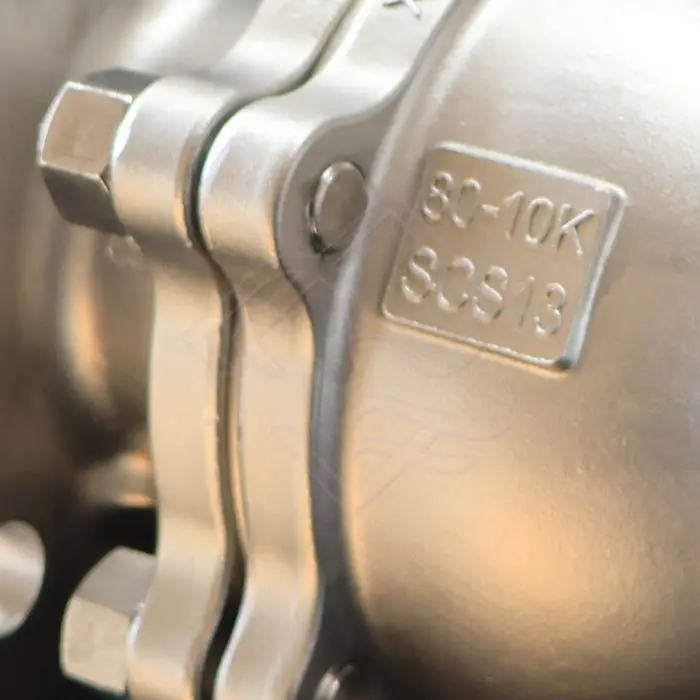
JIS 10K refers to a pressure rating under the Japanese Industrial Standards (JIS). The “10K” designation indicates a nominal pressure rating of 10 kgf/cm², equivalent to approximately 1.0 MPa (10 bar) at ambient temperature.
Key characteristics of JIS 10K flanges:
- Designed according to JIS B2220 flange standard
- Bolt hole pattern specific to JIS systems
- Compatible with JIS pipeline installations
- Common in Asian markets and Japanese-engineered facilities
It is important to note that JIS flanges differ dimensionally from ANSI/ASME or DIN flanges, meaning they are not directly interchangeable without proper adaptation.
SCS13 Stainless Steel Material
SCS13 is a cast stainless steel grade under JIS standards. It is equivalent to ASTM A351 CF8, which corresponds to AISI 304 stainless steel in wrought form.
Chemical and Mechanical Characteristics
Chromium (Cr): ~18%
Nickel (Ni): ~8%
Excellent corrosion resistance
Good mechanical strength
Suitable for general corrosive environments
SCS13 provides:
Resistance to rust and oxidation
Good performance in water, mild chemicals, and food-grade systems
Adequate strength for medium-pressure service
For more aggressive chloride environments, SCS14 (CF8M / 316 equivalent) may be preferred, but SCS13 remains highly versatile and cost-effective.

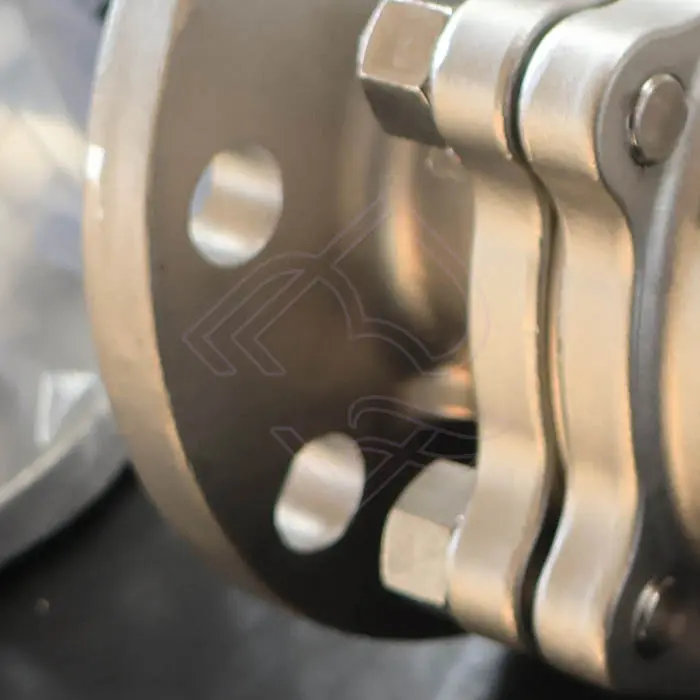
Flange End Design
The flange end connection ensures:
Strong mechanical joint
Reliable sealing with gaskets
Easy installation and removal
Suitable for larger pipe sizes
Flanged ball valves are commonly selected for:
Pipelines DN15–DN300 and above
Systems requiring frequent maintenance
Industrial facilities with bolted flange standards
The flanged connection provides superior structural integrity compared to threaded connections, especially in high-flow or vibration-prone environments.
High Platform ISO 5211 Top Flange for Automation
The ISO 5211 standard defines a universal mounting interface between valves and actuators. An ISO 5211 top flange allows direct mounting of:
Pneumatic actuators
Electric actuators
Gear operators
Advantages include:
Standardized bolt pattern
Direct mounting without additional brackets
Reduced misalignment
Faster automation installation
Lower overall assembly cost
The integrated ISO pad enhances flexibility, allowing manual operation initially and easy conversion to automated control later.
Valve Structure and Components
A typical JIS 10K SCS13 flange end ball valve consists of:
Valve Body – Cast SCS13 stainless steel
Ball – Precision-machined stainless steel sphere with full or reduced bore
Seats – Usually PTFE (Teflon) or reinforced PTFE
Stem – Anti-blowout stainless steel stem
Body Seals – PTFE or graphite gaskets
End Flanges – JIS 10K drilled flanges
Top Mounting Pad – ISO 5211 compliant
The valve may be manufactured as:
Two-piece body design
Three-piece body design
Three-piece designs allow easier internal maintenance without removing the entire valve from the pipeline.
Working Principle
The ball valve operates using a quarter-turn mechanism:
When the handle or actuator rotates the stem 90°, the ball rotates.
The hole through the ball aligns with the pipeline for full flow.
When rotated 90° perpendicular to flow, the solid side of the ball blocks fluid.
This simple mechanism provides:
Fast shut-off
Minimal pressure drop (in full bore design)
Tight sealing
Ball valves are primarily designed for on/off service, although they can perform limited throttling under controlled conditions.
Typical Technical Specifications
Below are common specifications for JIS 10K SCS13 flanged ball valves:
Pressure Rating: JIS 10K (10 bar)
Size Range: DN15 to DN300
Body Material: SCS13 (CF8 equivalent)
Ball Material: SS304
Seat Material: PTFE / RPTFE
Temperature Range: -20°C to 180°C (depending on seat)
End Connection: JIS 10K Flange
Mounting Standard: ISO 5211
Operation: Lever, gear, pneumatic, electric
Actual performance may vary depending on manufacturer design and seat materials.
Applications
JIS 10K SCS13 stainless steel flanged ball valves are used in diverse industries:
- Water Treatment
Clean water systems
Wastewater plants
Cooling water circuits
- Chemical Processing
Mild chemical transfer
Solvent systems
Acid handling (within compatibility limits)
- Food & Beverage
Hygienic liquid transport
Process water lines
- Marine & Offshore
Shipboard piping
Seawater systems (non-aggressive conditions)
- Oil & Gas (Low Pressure)
Utility lines
Non-critical hydrocarbon service
Their corrosion resistance and easy automation make them suitable for modern industrial plants.
Advantages
The JIS 10K SCS13 flange end ball valve offers numerous benefits:
✔ Excellent corrosion resistance
✔ Strong flanged connection
✔ Standardized automation interface
✔ Quick quarter-turn operation
✔ Long service life
✔ Low maintenance requirements
✔ Cost-effective compared to higher alloy grades
✔ Tight shut-off performance
Maintenance and Inspection
To ensure long service life:
Periodically check flange bolts for tightness
Inspect stem packing for leakage
Cycle valve regularly to prevent sticking
Replace seats if leakage occurs
Avoid operating beyond temperature/pressure limits
Thanks to stainless steel construction, maintenance requirements are generally minimal compared to carbon steel valves.
Optional Customizations
Manufacturers may offer:
Locking device handles
Fire-safe design (API 607 equivalent)
Anti-static device
Extended stem for insulation lines
Metal seats for high temperature
Full bore or reduced bore options
Customization depends on application requirements.
Safety Considerations
When selecting and installing:
Confirm compatibility of media with SCS13
Verify flange rating matches system pressure
Use proper JIS 10K gaskets
Ensure actuator torque matches valve size
Follow correct bolt tightening sequence
Improper installation can compromise sealing performance.