







API 609 Cast Steel A216 WCB Butt-Welding End Multi-Level Sealing Triple Offset Butterfly Valve
Introduction
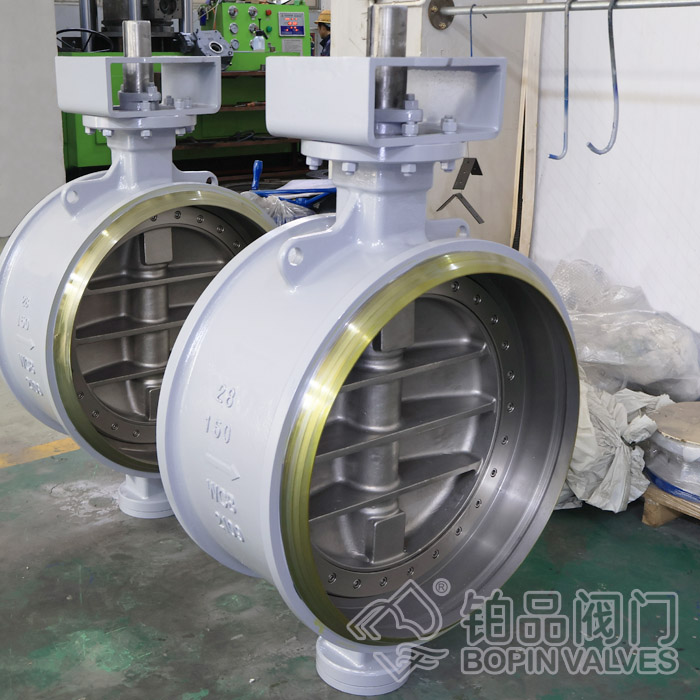
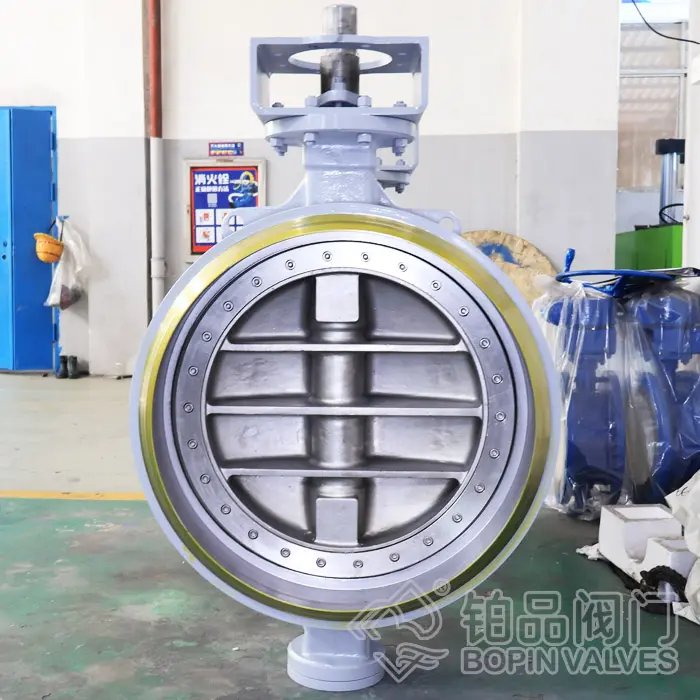
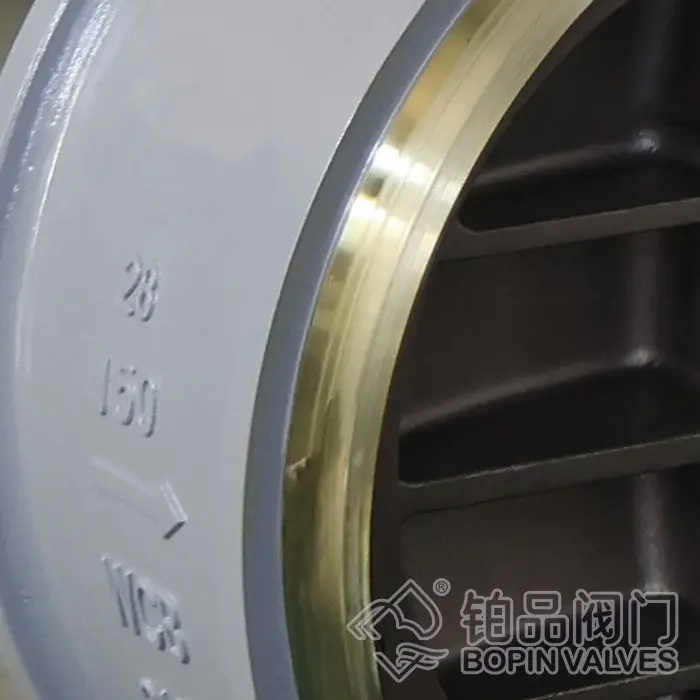
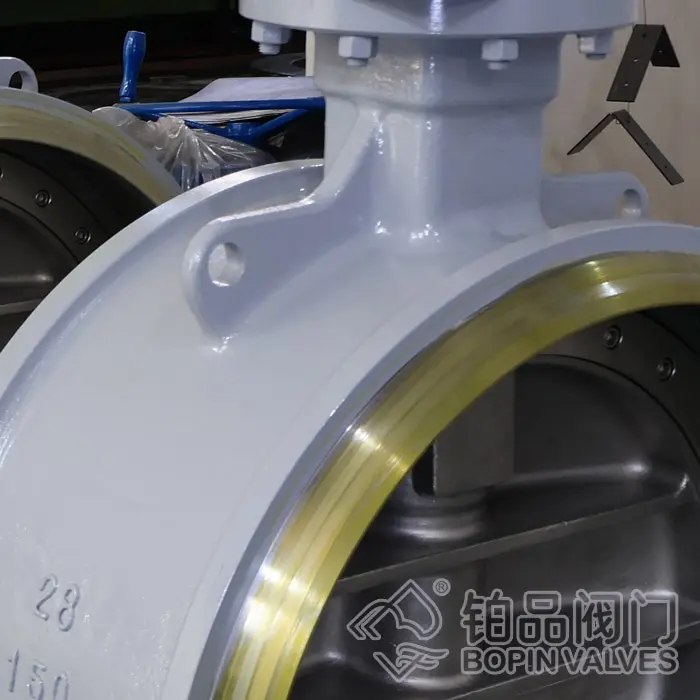
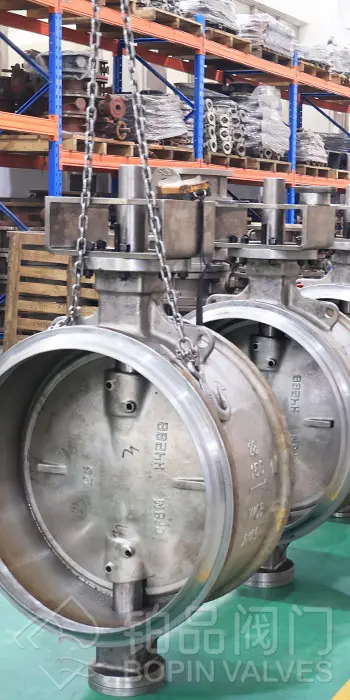
The API 609 Cast Steel ASTM A216 WCB Butt-Welding End Multi-Level Sealing Triple Offset Butterfly Valve is a high-performance isolation valve designed for demanding industrial pipeline applications. It combines the robust pressure-containing capability of cast carbon steel A216 WCB, the compact structure of a butterfly valve, the low-friction characteristics of triple-offset geometry, and the high-integrity connection provided by butt-welding ends.
This valve is particularly suitable for applications where reliable shutoff, reduced seat wear, high-temperature capability, and pipeline integrity are important. Typical services include oil and gas transportation, refineries, petrochemical plants, power generation, steam pipelines and high-temperature process systems.
The valve can be manufactured and tested according to the applicable requirements of API 609, with complementary standards selected according to the project specification.
1. Applicable Standards
A complete technical specification normally involves several standards rather than API 609 alone.
API 609 — Butterfly Valves
API 609 is the principal product standard for butterfly valves. It establishes requirements applicable to butterfly-valve design, dimensions, materials, pressure-temperature ratings, inspection and other relevant characteristics.
For a triple-offset metal-seated butterfly valve, the purchaser should identify the applicable API 609 category and project requirements in the RFQ.
ASME B16.34 — Valves
ASME B16.34 can be used for applicable pressure-temperature ratings, materials, pressure-boundary requirements and other valve requirements.
ASME B16.25 — Butt-Welding Ends
For a butt-welding-end butterfly valve, ASME B16.25 is an important complementary standard for the preparation and dimensions of butt-welding ends.
API 598 — Inspection and Testing
Where specified, API 598 can be used for valve inspection and pressure testing. The final testing procedure should follow the applicable product standard and purchaser's specification.
Other standards may be added depending on the project, including ASTM material standards, NACE requirements for sour service and fugitive-emission standards.
2. Main Features
Triple-Offset Design
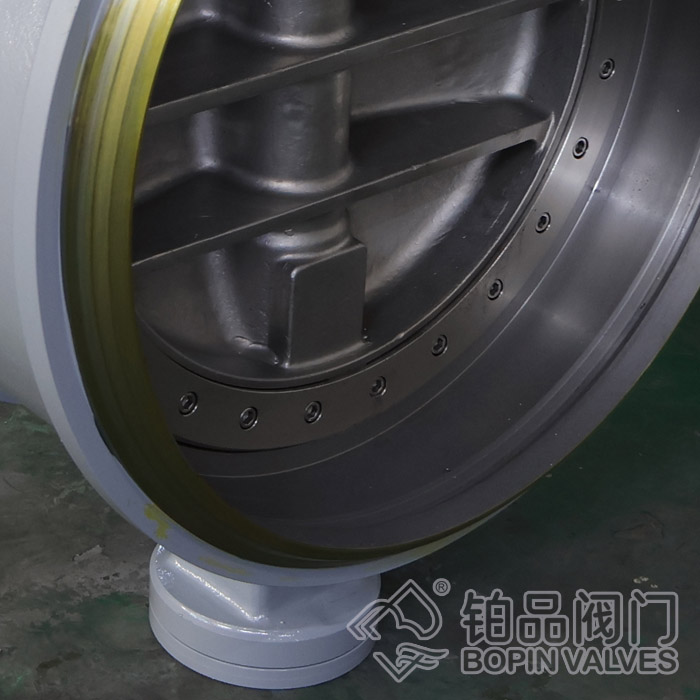
The valve incorporates three geometric offsets that allow the sealing surfaces to disengage quickly during opening. Unlike a conventional concentric butterfly valve, the disc does not continuously rub against the seat during normal rotation.
This significantly reduces friction and seat wear.
The result can include:
- Longer sealing-system service life
- Lower operating torque
- Reduced seat damage
- Improved repeatability
- Better suitability for high-temperature service
Multi-Level Sealing
The multi-level sealing arrangement provides several barriers against process leakage.
Depending on the specific design, these may include:
- Primary disc-to-seat sealing
- Secondary seat/body sealing
- Stem sealing
- Packing or additional backup sealing
For critical services, the sealing system can be engineered to provide high-integrity shutoff while maintaining reasonable operating torque.
Cast Steel A216 WCB Body
ASTM A216 WCB is a widely used cast carbon-steel material for industrial valve bodies. It offers a combination of strength, machinability and economical performance for many oil, gas, steam and process applications.
The body can be engineered according to the required pressure class, temperature and service conditions.
Butt-Welding Ends
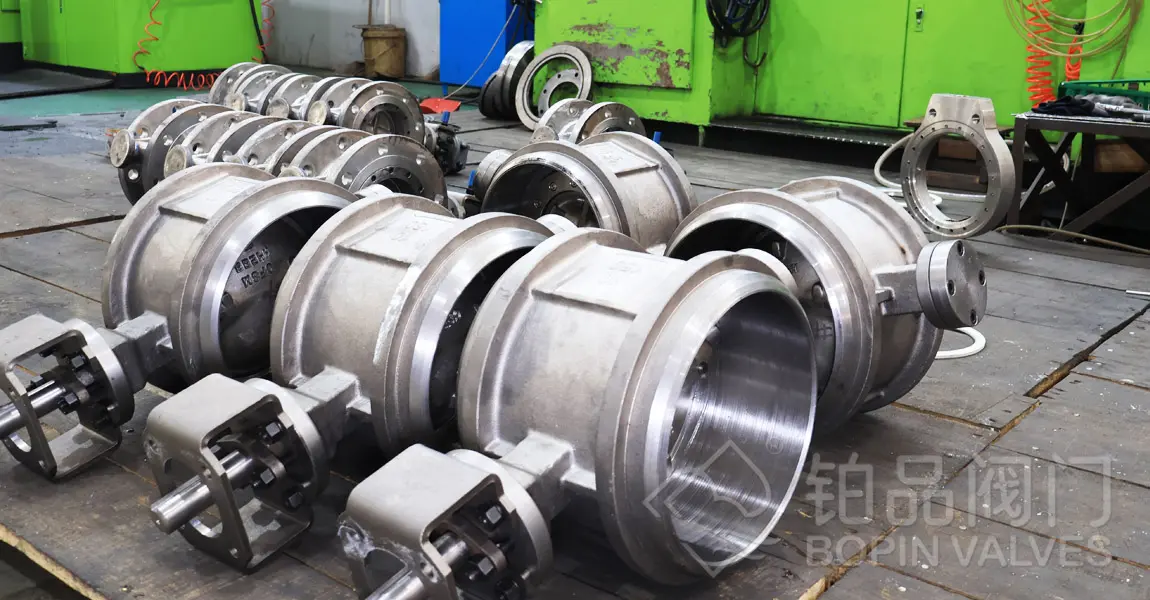
The valve is supplied with butt-welding ends, allowing it to be welded directly into the pipeline.
This eliminates conventional flange connections and provides a compact, highly integrated pipeline connection.
Metal Seated Construction
A metal-seated triple-offset valve is particularly suitable for applications where resilient seats may be unsuitable because of high temperature, fire exposure, thermal cycling or aggressive operating conditions.
3. Optional Materials
Although A216 WCB is a typical body material, material selection can be customized according to the application.
Body Materials
Possible alternatives include:
- ASTM A216 WCB — Cast carbon steel
- ASTM A216 WCC — Higher-strength cast carbon steel option
- ASTM A351 CF8 — Austenitic stainless steel
- ASTM A351 CF8M — 316 stainless steel
- ASTM A995 4A — Duplex stainless steel
- ASTM A995 5A — Super duplex stainless steel
- Alloy steel grades for elevated-temperature applications
The availability and suitability of each material should be confirmed against the applicable standard and operating conditions.
Disc Materials
Possible disc materials include:
- A216 WCB
- CF8 stainless steel
- CF8M stainless steel
- Duplex stainless steel
- Super duplex stainless steel
- Nickel-based alloys
- Other project-specified alloys
Seat Materials
Depending on temperature and medium, seat options may include:
- Stainless steel
- 316 stainless steel
- Stellite overlay
- Nickel alloy
- Laminated metal seat
- Other hard-facing materials
For high-temperature steam, hot gas and severe-service applications, a metal seat is normally preferred over conventional elastomeric seating.
4. Operation Manual
Proper operation is essential for maximizing the service life of a triple-offset butterfly valve.
Before Installation
Before installation:
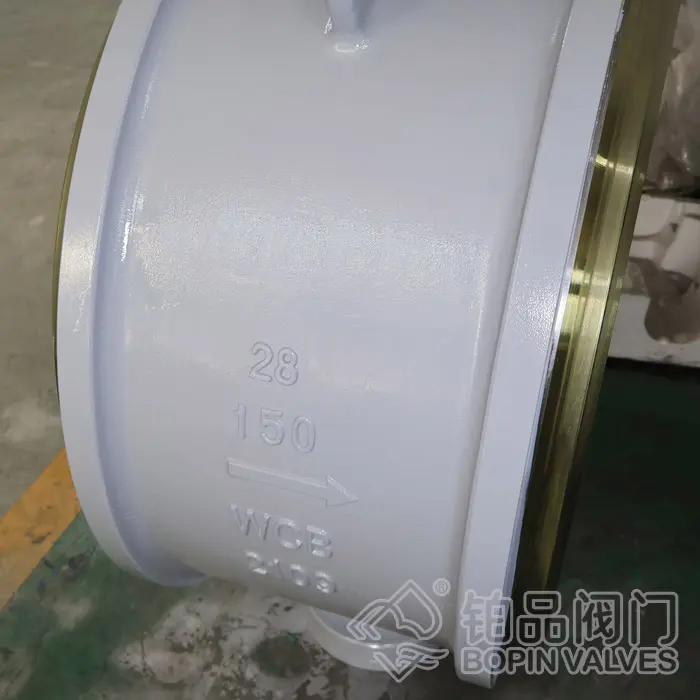
- Check the valve nameplate and confirm size, pressure class and material.
- Verify that the valve matches the pipeline specification.
- Inspect the valve for transportation damage.
- Confirm that the disc can move freely.
- Clean the pipeline and remove welding slag, dirt and foreign materials.
- Check the actuator or gearbox.
- Confirm the valve's flow-direction requirements, if applicable.
The valve should remain adequately protected during pipeline welding and installation.
Installation
For a butt-welding valve:
- Align the valve accurately with the pipeline.
- Confirm that the valve is in the manufacturer's recommended position during welding.
- Tack-weld the valve and check alignment.
- Complete welding according to the approved welding procedure.
- Prevent excessive heat from damaging seals, bearings or actuator components.
- Allow the welded joint to cool appropriately.
- Inspect the weld.
- Perform the specified pressure and leakage tests.
The exact welding procedure must follow the valve manufacturer's installation instructions and the project's approved welding procedure.
Opening and Closing
For manual or gearbox operation:
- Rotate the handwheel in the indicated direction.
- Do not use excessive force.
- Never use an extension pipe or other unauthorized device to increase operating torque.
- Operate the valve gradually where the process requires controlled opening.
- Confirm the fully open and fully closed positions.
For actuated valves, verify actuator torque, limit-switch settings and control signals before commissioning.
Maintenance
Routine maintenance should include:
- Inspecting the valve body and weld area
- Checking for external leakage
- Checking stem-seal condition
- Inspecting the gearbox or actuator
- Checking mounting bolts and accessories
- Confirming correct valve travel
- Inspecting sealing components during scheduled maintenance
Because triple-offset valves are designed to minimize seat friction, unnecessary adjustment or disassembly should be avoided.
5. Applications
The API 609 triple-offset butt-welding butterfly valve is suitable for a wide range of industrial services.
Oil and Gas Pipelines
The valve can be used for crude oil, refined products and natural gas pipelines where compact construction and reliable isolation are required.
Refineries
Refinery piping can involve elevated temperatures, hydrocarbons and thermal cycling. A metal-seated triple-offset design can provide an appropriate solution for many isolation duties.
Petrochemical Plants
The valve can be used in process and utility pipelines handling hydrocarbons, gases, steam and other industrial media.
Power Plants
High-temperature steam, boiler-related systems and hot-gas services may benefit from metal-seated triple-offset technology.
Steam Systems
The combination of metal sealing and low-friction operation makes this type of valve suitable for certain high-temperature steam isolation applications.
Chemical Processing
Material selection can be customized to improve resistance to corrosive process media.
6. Why Choose BUT-WELDED END TRIPLE OFFSET BUTTERFLY VALVE?
Butt-welding ends provide several important advantages compared with conventional flanged connections.
1. Reduced External Leakage Risk
A butt-welded connection eliminates the gasketed flange joint at the valve ends. Once correctly welded and inspected, the pipeline connection provides a highly integrated pressure boundary.
2. Compact Pipeline Construction
No flange pairs, bolts or nuts are required at the valve connection. This can reduce the overall installation envelope.
3. Lower Maintenance Requirements
Because there is no flange gasket at each valve end, there is no corresponding gasket replacement requirement during normal maintenance.
4. Suitable for High-Pressure Applications
Butt-welded connections are widely used in high-pressure pipeline systems because they can provide a robust permanent connection when correctly designed, welded and inspected.
5. Reduced Weight and Space
Compared with large flanged valves, butt-welded butterfly valves can offer a more compact solution, particularly in large-diameter pipelines.
6. Better Pipeline Integration
The valve becomes an integrated part of the pipeline rather than relying on bolted flange connections at both ends.
7. Suitable for Large-Diameter Systems
Butterfly valves are already relatively lightweight compared with many gate valves. Combining butterfly-valve construction with butt-welding ends can be particularly attractive for large-diameter pipelines.
However, butt-welding also means that valve removal is more difficult than with a flanged valve. Therefore, the pipeline layout should include appropriate maintenance provisions where future valve replacement is expected.
7. RFQ Requirements
|
For an accurate quotation, customers should provide complete technical information. A typical RFQ should include: Valve type: Triple-offset butterfly valve Customers should also specify whether they require unidirectional or bidirectional sealing, if this is important to the application. |
 |
8. BOPIN Valve Supply Capability
BOPIN VALVE, TRIPLE OFFSET BUTTERFLY VALVE MANUFACTURER, can supply API 609 triple-offset butterfly valves in carbon steel, stainless steel, duplex and other suitable materials according to customer specifications.
For a cast steel A216 WCB butt-welding-end multi-level sealing butterfly valve, BOPIN can customize the body, disc, stem, seat, sealing system, actuator and welding-end configuration according to project requirements.
Quality control can include material verification, dimensional inspection, visual examination, pressure testing, seat leakage testing, coating inspection and final inspection before shipment. Customized inspection and documentation packages can also be prepared according to customer or third-party inspection requirements.