








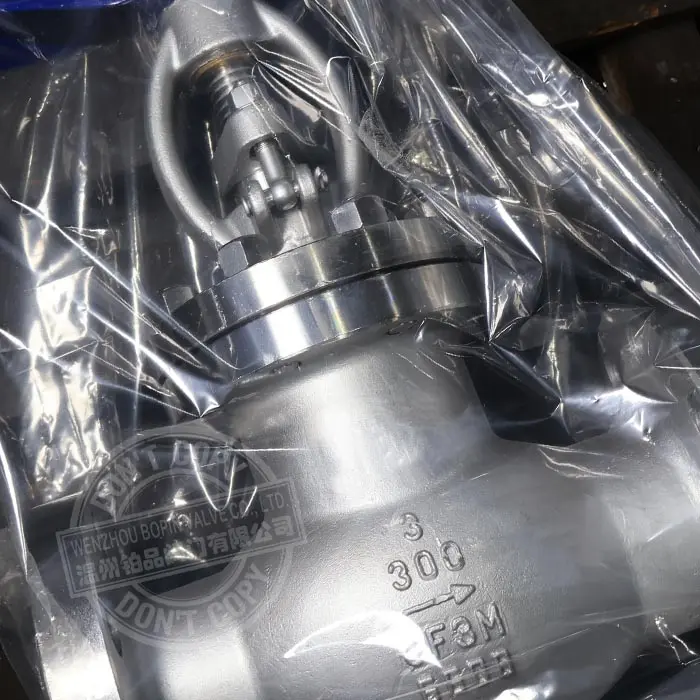
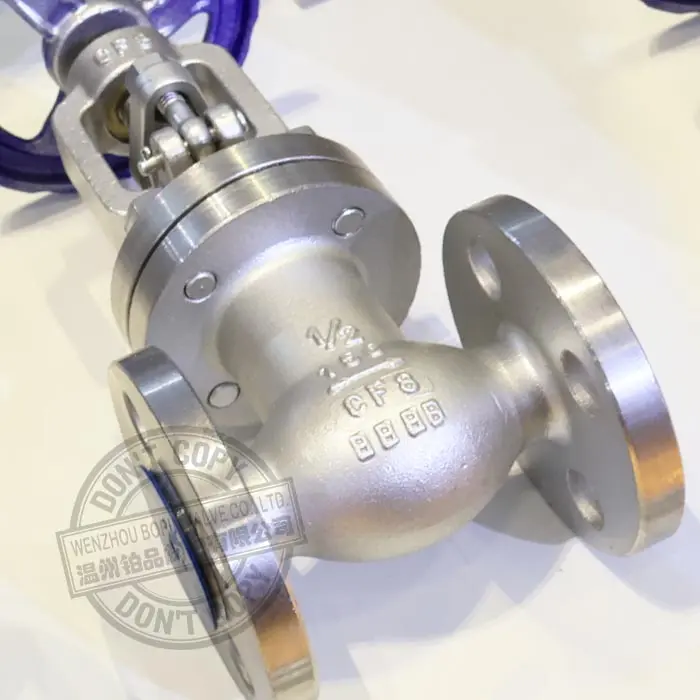
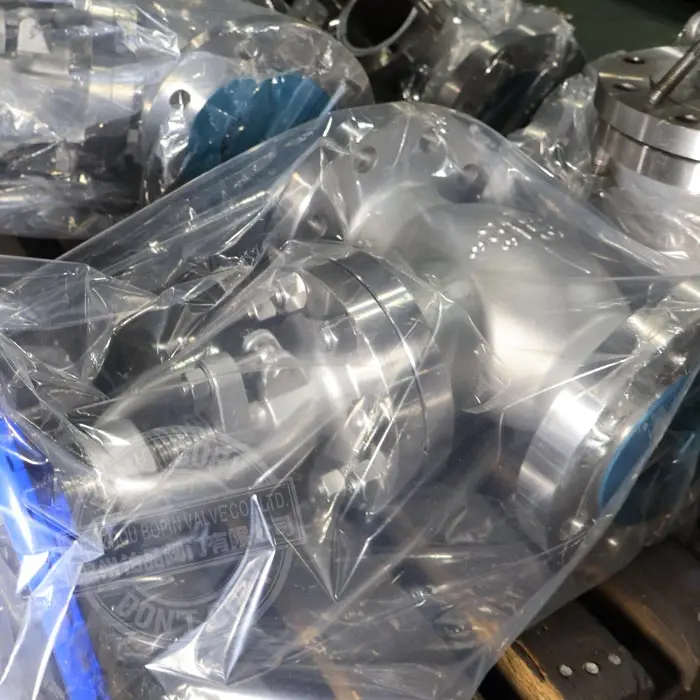
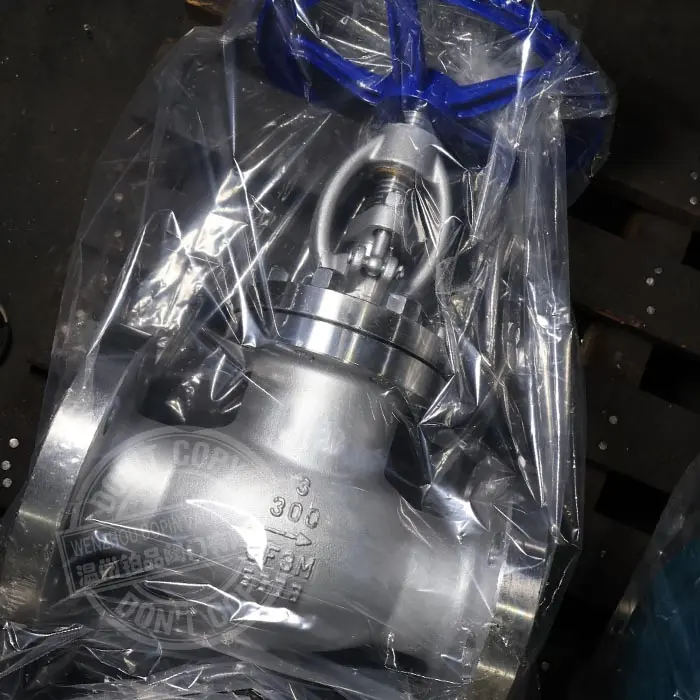
API 623 Manual Operated Flange End Stainless Steel Globe Valve
The API manual operated flange stainless steel globe valve is a highly reliable industrial valve designed for precise flow regulation and shut-off applications in demanding pipeline systems. Manufactured according to international API standards, this type of globe valve is widely used in oil & gas, petrochemical, chemical processing, power generation, marine, water treatment, and steam systems. With excellent corrosion resistance, strong sealing performance, and dependable manual operation, stainless steel globe valves are essential components in modern industrial piping networks.
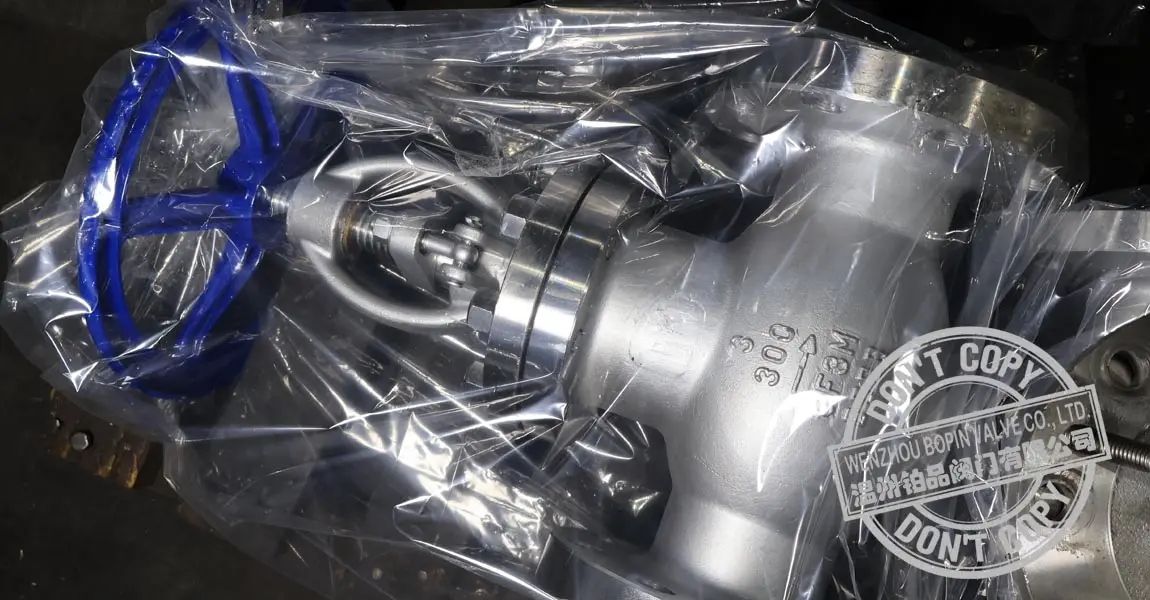
Introduction to API Stainless Steel Globe Valves
A globe valve is a linear motion valve mainly used for throttling and isolating fluid flow. Unlike gate valves, globe valves provide better flow control because the disc moves perpendicular to the seat. The API manual operated flange stainless steel globe valve combines the advantages of API standard design, flanged end connections, and corrosion-resistant stainless steel materials.
The valve is operated manually through a handwheel connected to a threaded stem. When the handwheel rotates, the stem moves the disc upward or downward, allowing or stopping the flow of media through the valve body.
These valves are commonly produced according to standards such as:
- API 600
- API 623
- ASME B16.34
- ASME B16.5
- BS 1873
- MSS SP-25
The flange end design ensures easy installation and maintenance in industrial piping systems.
Main Construction Features
1. Stainless Steel Valve Body
The valve body is generally manufactured from high-quality stainless steel materials including:
- ASTM A351 CF8
- ASTM A351 CF8M
- ASTM A182 F304
- ASTM A182 F316
- Duplex Stainless Steel
These materials provide excellent resistance to corrosion, rust, chemical attack, and high-temperature conditions.
2. Manual Handwheel Operation
The valve is manually operated using a durable handwheel. This design offers:
- Simple operation
- Precise flow adjustment
- Low maintenance
- Reliable shut-off performance
- Safe operation without external power
Manual operation is ideal for systems where automation is unnecessary or unavailable.
3. Flanged End Connection
The flanged end connection follows international flange standards such as ASME B16.5 or DIN standards. Flanged connections provide:
- Easy pipeline installation
- Strong sealing connection
- Convenient maintenance
- Suitability for high-pressure applications
Common flange pressure ratings include:
- Class 150
- Class 300
- Class 600
- Class 900
4. Bolted Bonnet Design
Most API stainless steel globe valves use a bolted bonnet structure for enhanced sealing reliability and easy inspection. The gasket between the body and bonnet prevents leakage under high-pressure conditions.
5. Renewable Seat and Disc
The valve seat and disc are often renewable and hard-faced with Stellite or other wear-resistant materials. This increases durability and prolongs service life, especially in abrasive or high-temperature environments.
Working Principle
The working principle of the API manual operated flange stainless steel globe valve is simple yet effective.
When the handwheel rotates clockwise:
- The stem moves downward
- The disc presses tightly against the seat
- Flow stops completely
When the handwheel rotates counterclockwise:
- The stem lifts upward
- The disc moves away from the seat
- Fluid passes through the valve
The globe valve structure allows accurate throttling and flow regulation, making it suitable for applications requiring controlled flow rates.
Advantages of Stainless Steel Globe Valves
Excellent Corrosion Resistance
Stainless steel materials resist corrosion from water, steam, chemicals, acids, and saline environments. This makes the valve suitable for aggressive industrial media.
Superior Sealing Performance
The linear seating action provides tight shut-off performance with minimal leakage.
Precise Flow Control
Compared with gate valves, globe valves offer better throttling capability and stable flow regulation.
High Temperature and Pressure Resistance
API stainless steel globe valves can operate under severe service conditions including high pressure and elevated temperatures.
Long Service Life
Durable materials and renewable sealing components help extend valve lifespan and reduce maintenance costs.
Easy Maintenance
The bolted bonnet and flanged end structure simplify inspection, maintenance, and replacement of internal components.
Common Applications
Oil and Gas Industry
Used in refining systems, pipelines, offshore platforms, and process control systems where reliable shut-off and corrosion resistance are essential.
Petrochemical Plants
Suitable for handling aggressive chemicals, hydrocarbons, and process fluids under high pressure.
Power Generation
Widely applied in steam pipelines, boiler systems, and turbine auxiliary systems.
Water Treatment Systems
Used for regulating clean water, seawater, and chemical treatment solutions.
Marine Industry
Stainless steel globe valves resist seawater corrosion and are commonly installed in shipbuilding and offshore engineering systems.
Food and Pharmaceutical Industries
Certain stainless steel grades provide hygienic performance suitable for sanitary fluid systems.
Available Materials
Typical material combinations include:
| Component | Material |
|---|---|
| Body | CF8, CF8M, F304, F316 |
| Disc | Stainless Steel + Stellite |
| Stem | SS304, SS316 |
| Seat | Stainless Steel / Hard Faced |
| Gasket | Graphite / PTFE |
| Packing | Flexible Graphite / PTFE |
Technical Specifications
| Specification | Description |
|---|---|
| Valve Type | Globe Valve |
| Operation | Manual Handwheel |
| Connection Type | Flanged End |
| Design Standard | API 623 / BS 1873 |
| Face to Face | ASME B16.10 |
| Flange Standard | ASME B16.5 |
| Testing Standard | API 598 |
| Pressure Rating | Class 150–900 |
| Size Range | 1/2”–24” |
| Temperature Range | -29°C to 425°C |
Importance of API Standards
API standards ensure that the valve meets strict industrial requirements for:
- Pressure integrity
- Material quality
- Dimensional accuracy
- Safety performance
- Leakage testing
- Operational reliability
API-compliant globe valves are trusted worldwide for critical industrial applications.
Maintenance Recommendations
To ensure long-term performance, regular maintenance is recommended:
- Inspect packing for leakage
- Lubricate stem threads periodically
- Check flange bolt tightness
- Operate valve regularly to prevent sticking
- Replace worn seats and discs when necessary
Proper maintenance reduces downtime and extends valve service life.