







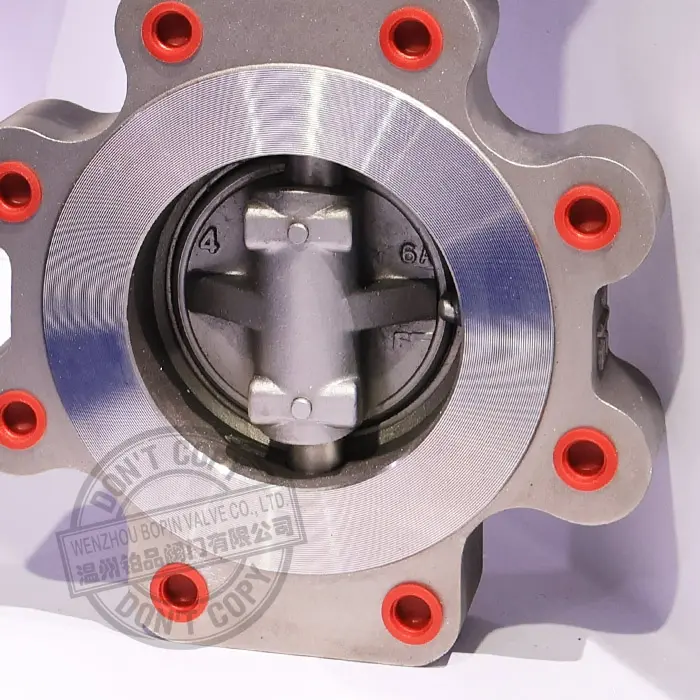
API 609 Pneumatic Lug Type Duplex Stainless Steel ASTM A890 6A Triple Offset Butterfly Valve
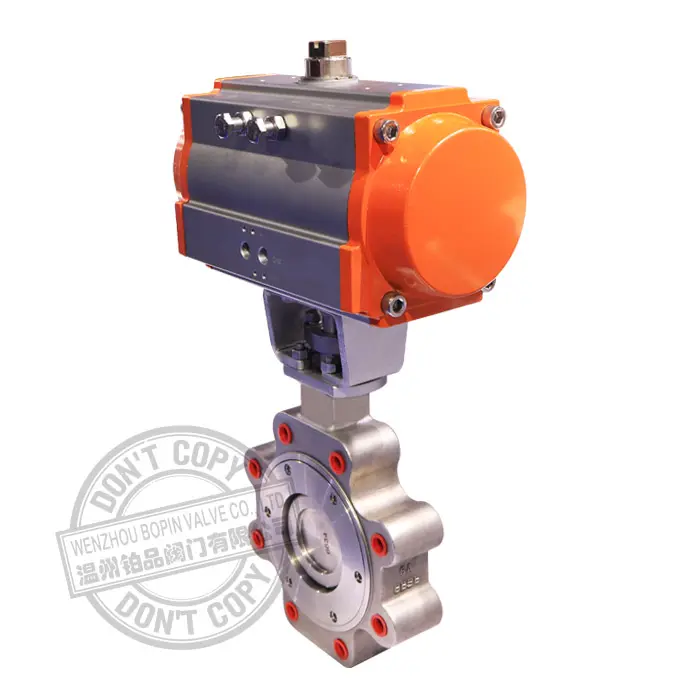
The API 609 Pneumatic Lug Type Triple Offset Butterfly Valve made from Duplex Stainless Steel ASTM A890 Grade 6A is a high-performance industrial valve designed for critical service applications where zero leakage, high corrosion resistance, and long-term operational reliability are required. This valve combines advanced triple offset geometry with a robust lug-type connection and pneumatic actuation, making it suitable for demanding process industries such as oil & gas, petrochemical, offshore platforms, chemical processing, and power generation.
1. Product Overview
This butterfly valve is engineered according to API 609 standards, which define the design requirements for butterfly valves used in high-pressure and high-temperature services. The triple offset design eliminates rubbing between the disc and seat during operation, ensuring minimal wear and extending service life significantly compared to conventional concentric or double offset butterfly valves.
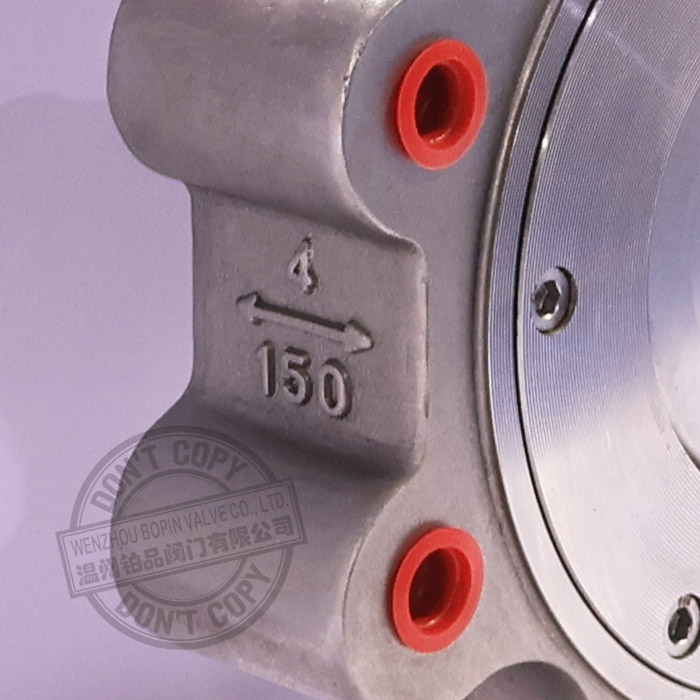
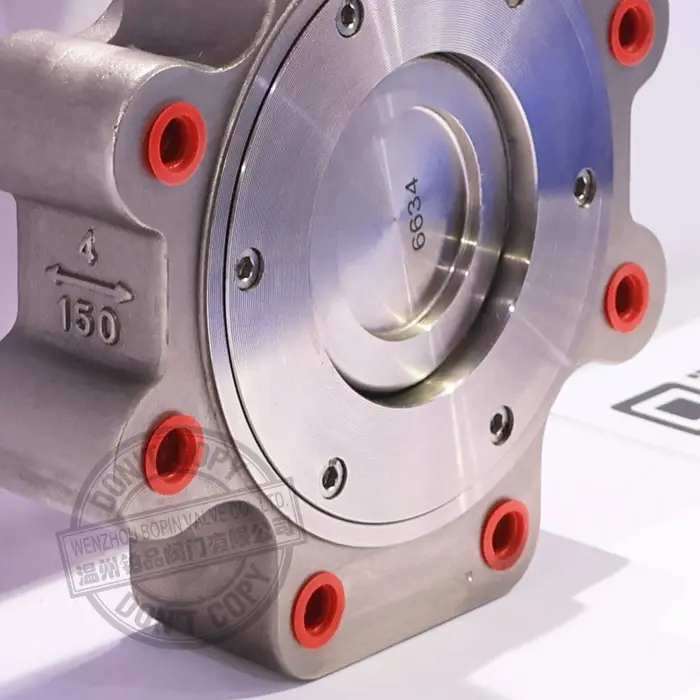
The lug type body design allows the valve to be installed between two pipe flanges with independent end-of-line service capability. This means one side of the pipeline can be removed while the valve remains securely sealed on the other side, enhancing maintenance flexibility and system safety.
Equipped with a pneumatic actuator, the valve provides fast, automated, and reliable operation, making it ideal for remote-controlled systems and process automation environments.
2. Material Construction – ASTM A890 Grade 6A Duplex Stainless Steel
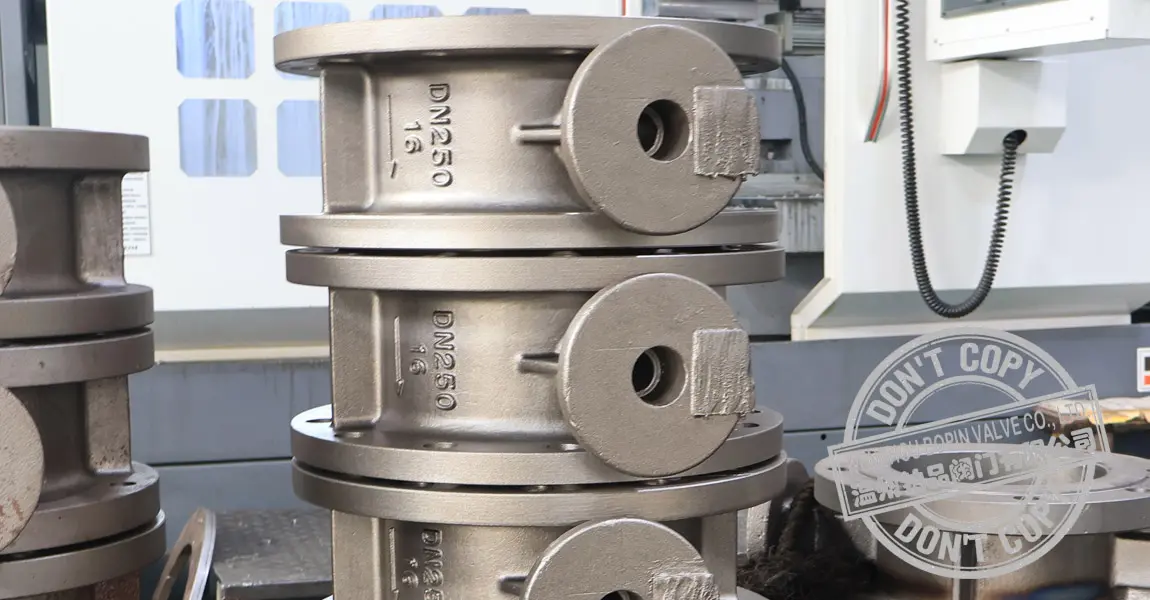
The valve body and major wetted components are manufactured from ASTM A890 Grade 6A duplex stainless steel, a high-strength corrosion-resistant alloy known for its excellent performance in aggressive environments.
Key advantages of ASTM A890 6A include:
- High resistance to pitting and crevice corrosion, especially in chloride-rich environments
- Excellent stress corrosion cracking resistance
- High mechanical strength, nearly twice that of standard austenitic stainless steel
- Superior resistance to seawater and chemical media
- Long service life in offshore and marine applications
This makes the valve particularly suitable for seawater systems, desalination plants, offshore oil platforms, and chemical pipelines where standard stainless steel materials may fail prematurely.
3. Triple Offset Design Principle
The triple offset butterfly valve incorporates three distinct geometric offsets:
- First offset: Shaft is positioned behind the disc sealing surface
- Second offset: Shaft is offset from the pipeline centerline
- Third offset: Conical seat geometry creates a cam-like sealing action
This advanced design ensures:
- No friction between disc and seat during opening/closing
- Bubble-tight shutoff capability
- Reduced torque requirements
- Minimal wear and extended sealing life
- High temperature and high pressure suitability
Unlike soft-seated butterfly valves, the metal-to-metal sealing system in triple offset design allows it to operate effectively in extreme temperature conditions where elastomeric seals would fail.
4. Lug Type Body Design Advantages
The lug type configuration provides threaded lugs on both sides of the valve body, allowing secure bolting to pipeline flanges. This design offers several operational advantages:
- End-of-line service capability without pipeline shutdown
- Strong mechanical stability under high pressure
- Easy installation and removal from piping systems
- Suitable for dead-end service applications
- Improved safety during maintenance operations
This makes it a preferred choice in systems where isolation and section-wise maintenance are frequently required.
5. Pneumatic Actuation System
The valve is equipped with a pneumatic actuator that converts compressed air into rotary motion to operate the valve. Depending on application requirements, it can be configured with:
- Double-acting pneumatic actuator (air to open and air to close)
- Spring return actuator (fail-safe open or fail-safe close option)
Key benefits of pneumatic operation include:
- Fast response time
- High cycle life suitable for automation systems
- Explosion-proof operation in hazardous environments
- Reduced manual labor and operational risk
- Easy integration with PLC and DCS control systems
Optional accessories such as solenoid valves, limit switches, air filter regulators, and positioners can be added for enhanced control accuracy and feedback monitoring.
6. Sealing Performance and Leakage Class
The triple offset structure ensures a tight metal-to-metal seal capable of achieving API 598 and ISO 5208 leakage standards, typically reaching:
- Zero leakage (Class VI soft equivalent performance)
- Bi-directional sealing capability
- Stable sealing under thermal cycling conditions
The conical sealing geometry allows gradual compression during closure, eliminating sudden contact and reducing seat deformation over time.
7. Operating Conditions
The valve is designed for demanding industrial operating conditions:
- Pressure rating: ANSI Class 150 / 300 / 600 (optional higher classes available)
- Temperature range: suitable for cryogenic to high-temperature applications
- Flow media: seawater, hydrocarbons, steam, chemicals, gas, and corrosive fluids
- Bidirectional flow capability depending on seat configuration
Its robust construction ensures reliable operation even under fluctuating pressure and temperature conditions commonly found in process industries.
8. Applications
Due to its superior material and design characteristics, this valve is widely used in:
- Offshore oil and gas platforms
- Petrochemical and refinery systems
- Chemical processing plants
- Seawater desalination plants
- Power generation facilities
- LNG and cryogenic systems
- Pulp and paper industries
- Industrial wastewater treatment systems
In all these applications, corrosion resistance, tight shutoff, and operational reliability are critical, making ASTM A890 6A duplex stainless steel an ideal choice.
9. Advantages of API 609 Pneumatic Lug Type Triple Offset Butterfly Valve
- Excellent corrosion resistance in aggressive environments
- Bubble-tight sealing with metal-to-metal seat
- Low torque operation reduces actuator size and cost
- Long service life with minimal maintenance requirements
- Suitable for high-pressure and high-temperature service
- Quick pneumatic actuation for automation systems
- End-of-line installation capability with lug design
- High mechanical strength from duplex stainless steel structure
10. Quality Assurance and Testing
Each valve undergoes strict quality control procedures including:
- Hydrostatic body testing
- Seat leakage testing
- Torque performance testing
- Dimensional inspection according to API 609 standards
- Material certification verification (MTC)
- Pneumatic actuator performance testing
These tests ensure that every valve meets international standards and performs reliably under real operating conditions.