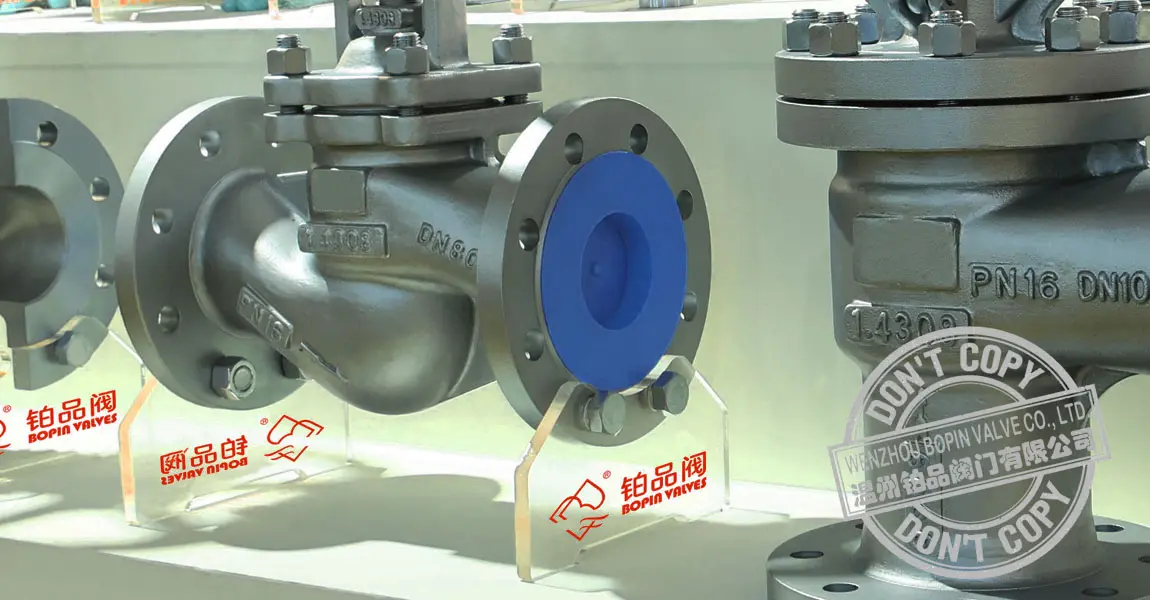







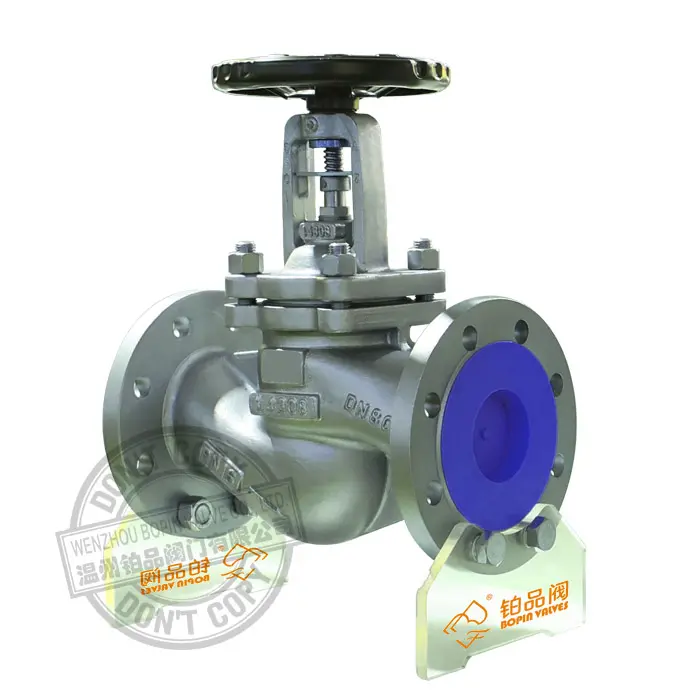
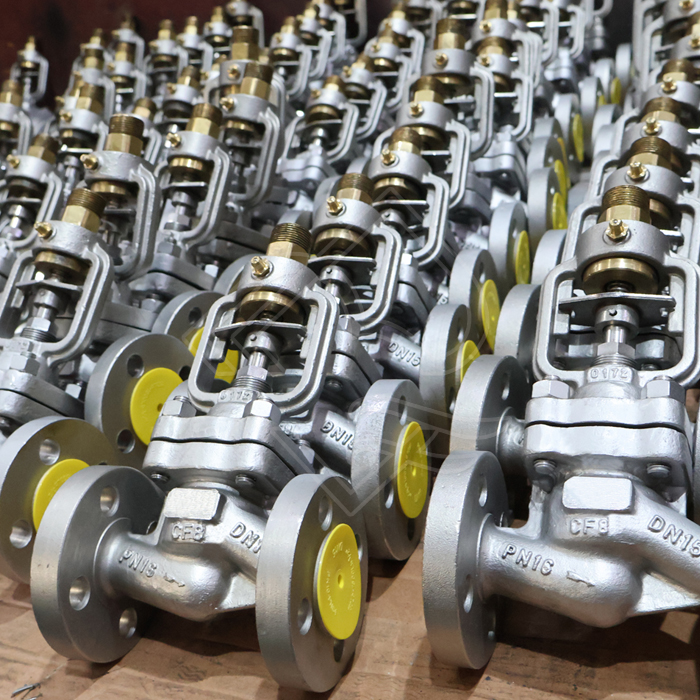
DIN EN 13709 Stainless Steel 1.4308 Bellows Sealed Globe Valve
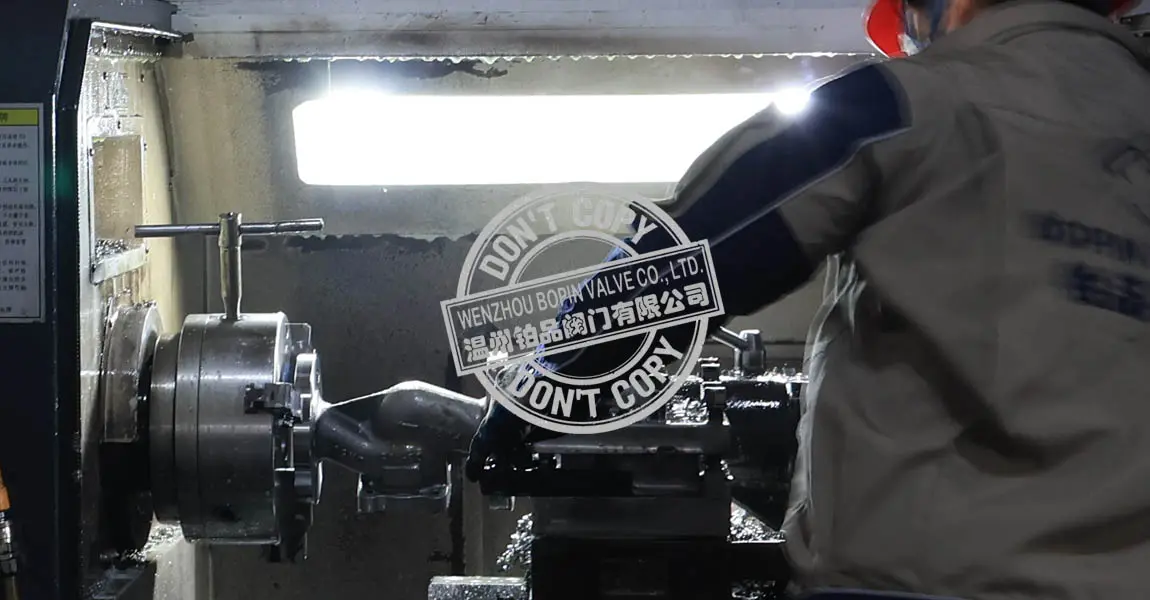
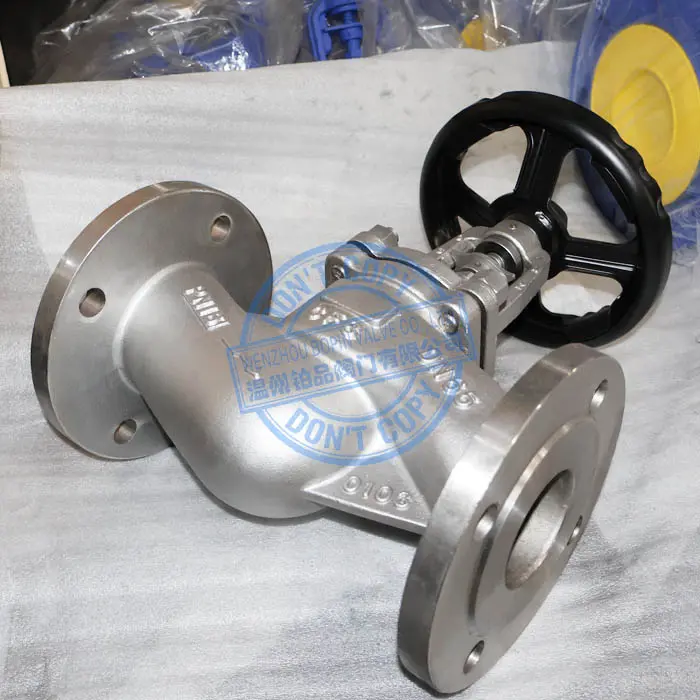
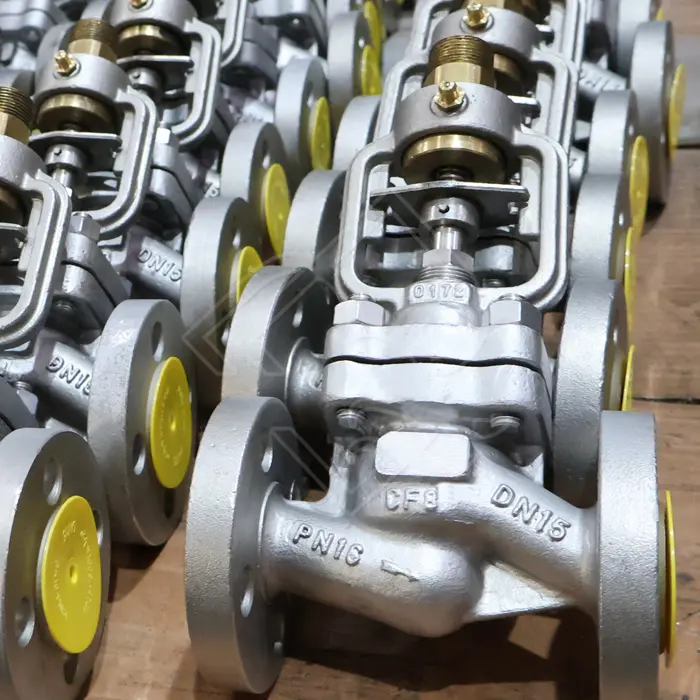
The DIN EN 13709 1.4308 stainless steel bellows sealed globe valve is a high-performance industrial valve designed for applications requiring reliable shut-off capability, zero stem leakage, and safe handling of critical media. It combines the structural advantages of the globe valve design with the sealing performance of a metallic bellows assembly, making it highly suitable for steam systems, thermal oil systems, chemical processing, power plants, petrochemical industries, and other demanding process environments.
As industrial processes become increasingly focused on safety, environmental protection, and operational efficiency, conventional packing-sealed valves may present leakage risks after long periods of operation. Bellows sealed globe valves effectively address these concerns by introducing a welded metal bellows structure that isolates the process medium from the atmosphere and significantly reduces fugitive emissions.
DIN EN 13709 Standard Overview
DIN EN 13709 is a European standard that specifies design requirements, manufacturing criteria, dimensions, pressure-temperature ratings, testing methods, and inspection procedures for steel globe valves and globe stop-check valves. The standard ensures product consistency, safety, and interchangeability within industrial piping systems.
Valves manufactured according to DIN EN 13709 generally provide the following advantages:
-
Standardized face-to-face dimensions
-
Reliable pressure and temperature performance
-
Strict testing requirements
-
Interchangeability across systems
-
Enhanced operational safety
-
Compliance with international quality standards
The standard establishes clear requirements for pressure-containing parts and ensures the valve performs reliably under severe service conditions.
Material Description: Stainless Steel 1.4308
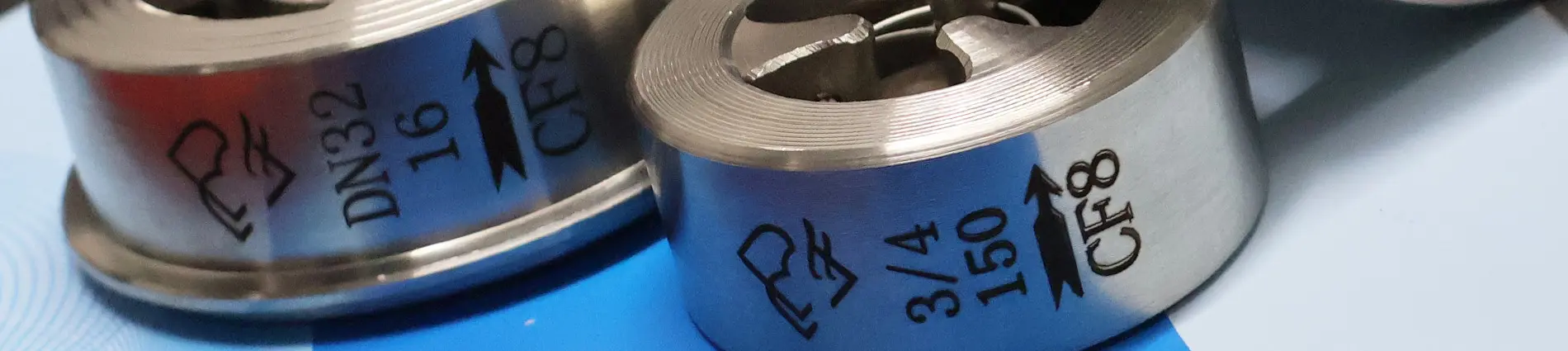
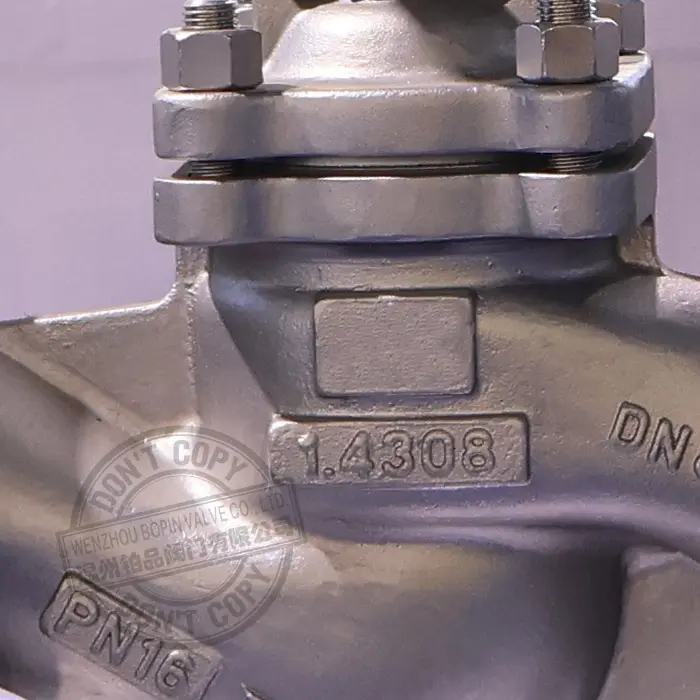
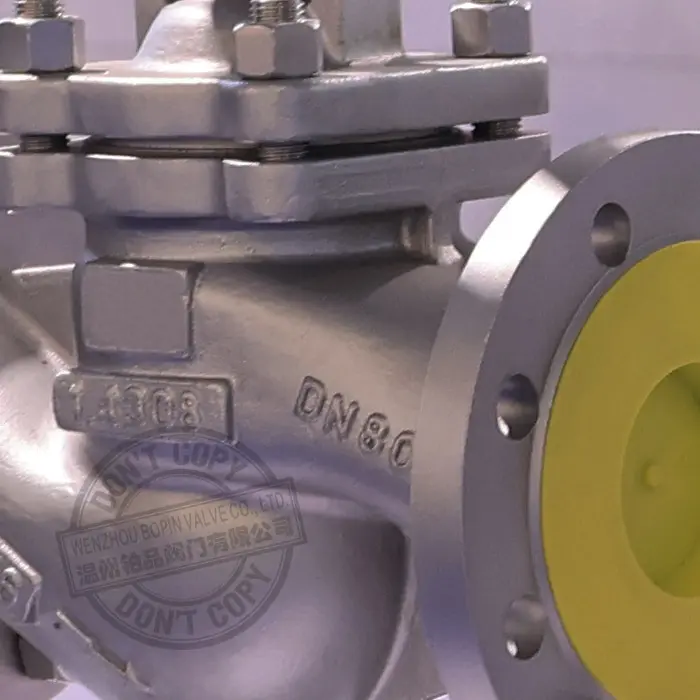
Material grade 1.4308 is a cast austenitic stainless steel equivalent to ASTM CF8. It is widely used in valve manufacturing due to its excellent combination of mechanical strength, corrosion resistance, and processability.
Typical chemical composition includes:
-
Chromium (Cr): approximately 18–21%
-
Nickel (Ni): approximately 8–11%
-
Carbon (C): ≤0.08%
-
Silicon (Si): ≤2.0%
-
Manganese (Mn): ≤1.5%
The benefits of 1.4308 stainless steel include:
Excellent corrosion resistance:
The material performs effectively against water, steam, weak acids, and numerous industrial chemicals.
High temperature capability:
It maintains mechanical integrity and oxidation resistance at elevated temperatures.
Good toughness:
The austenitic structure provides excellent impact resistance even under varying temperatures.
Good weldability:
The material can be fabricated and welded efficiently without significant reduction in performance.
Long service life:
Its corrosion resistance minimizes material degradation and maintenance requirements.
Because of these characteristics, 1.4308 stainless steel is commonly selected for valve bodies, bonnets, and pressure-containing components.
Bellows Sealed Design Principle
The most distinctive feature of the bellows sealed globe valve is the metal bellows assembly positioned around the valve stem.
Traditional valves rely primarily on packing material for sealing around the stem area. Over time, repeated operation, thermal expansion, and aging of packing materials may lead to leakage.
In a bellows sealed design, the stem is enclosed within a welded stainless steel bellows element. The bellows expands and contracts during valve movement while maintaining a complete seal between the internal process medium and the external environment.
The sealing system generally consists of two levels:
Primary seal:
The welded metal bellows provides the main sealing function and eliminates stem leakage.
Secondary seal:
Conventional graphite packing acts as a backup sealing mechanism for additional safety.
This dual-sealing arrangement significantly improves operational reliability.
Construction Features
Valve Body
The valve body is designed with optimized flow geometry to minimize pressure loss and ensure effective flow regulation. Stainless steel construction enhances resistance to corrosion and high-temperature operation.
Bonnet Assembly
The bonnet supports the stem and bellows structure while maintaining pressure containment. Precision machining ensures accurate alignment between moving parts.
Metallic Bellows
The bellows is usually manufactured from corrosion-resistant stainless steel and undergoes multiple-cycle fatigue testing.
Features include:
-
High flexibility
-
Excellent fatigue resistance
-
Leak-free operation
-
Long service life
-
Resistance to thermal expansion stress
Stem
The stem transfers motion from the handwheel or actuator to the valve disc. Precision machining and surface treatment improve wear resistance.
Disc and Seat
The seating surfaces are critical sealing elements. Hard-facing materials may be applied to increase wear resistance and improve sealing performance.
Handwheel or Actuator
The valve can be operated manually or integrated with automation systems such as:
-
Electric actuators
-
Pneumatic actuators
-
Gear operators
-
Hydraulic actuators
Working Principle
The operating principle of a bellows sealed globe valve is relatively simple.
When the handwheel rotates clockwise, the stem moves downward and pushes the disc toward the seat, gradually reducing the flow passage until complete shut-off occurs.
When the handwheel rotates counterclockwise, the stem rises and lifts the disc away from the seat, allowing media to flow through the valve.
During stem movement, the metal bellows expands and contracts accordingly while maintaining a sealed barrier.
The globe valve structure also allows throttling and flow regulation functions when partial opening is required.
Main Advantages
Zero External Leakage
The welded bellows structure effectively prevents leakage around the stem area, making the valve ideal for hazardous and valuable media.
Environmental Protection
Reduced fugitive emissions help facilities comply with environmental regulations and safety requirements.
Long Service Life
The dual sealing design minimizes wear and extends operational life.
Reduced Maintenance Cost
Lower leakage rates and reduced packing adjustment requirements decrease maintenance frequency.
High Temperature Performance
Stainless steel construction and metallic bellows withstand elevated operating temperatures.
Improved Safety
Bellows sealing protects operators and surrounding equipment from exposure to dangerous process fluids.
Excellent Corrosion Resistance
The 1.4308 material performs well in many corrosive environments.
Typical Technical Specifications
Typical specifications may include:
Design Standard:
DIN EN 13709
Face-to-face Standard:
DIN EN 558
Flange Standard:
DIN EN 1092-1
Testing Standard:
DIN EN 12266
Body Material:
1.4308 Stainless Steel
Nominal Size:
DN15–DN300
Pressure Rating:
PN16–PN40
Temperature Range:
-29°C to 425°C
Connection Type:
Flanged
Operation:
Manual, pneumatic, electric
Applicable Media:
-
Steam
-
Water
-
Thermal oil
-
Chemical liquids
-
Gas
-
Petrochemical fluids
Industrial Applications
Steam Systems
Bellows sealed globe valves are extensively used in steam pipelines because steam leakage can lead to energy loss and safety concerns.
Chemical Industry
Chemical plants frequently handle corrosive and hazardous fluids where leakage prevention is critical.
Petrochemical Industry
Oil refineries and petrochemical plants use these valves for handling high-temperature and corrosive process media.
Power Generation
Power plants require reliable shut-off performance under high-pressure and high-temperature operating conditions.
Pharmaceutical Industry
Leak-free designs help maintain cleanliness and prevent contamination.
Food Processing Industry
Stainless steel materials provide hygienic characteristics suitable for controlled processing systems.