







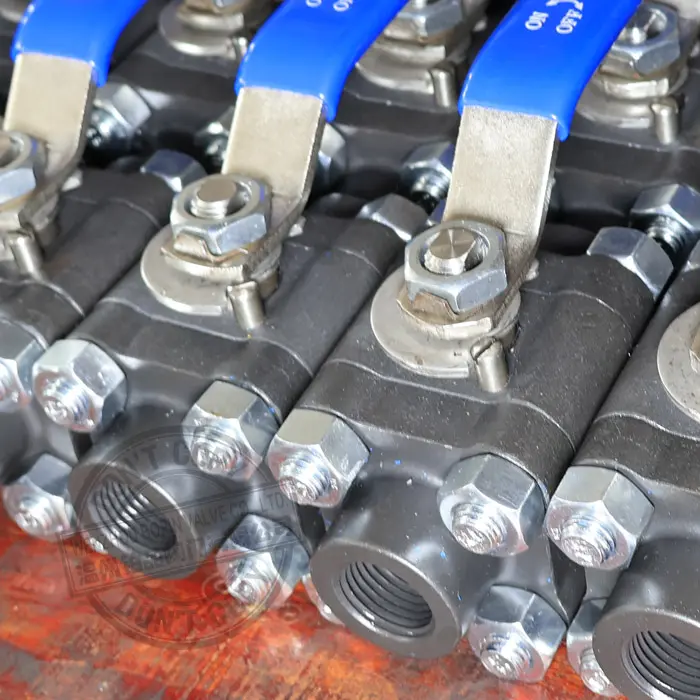
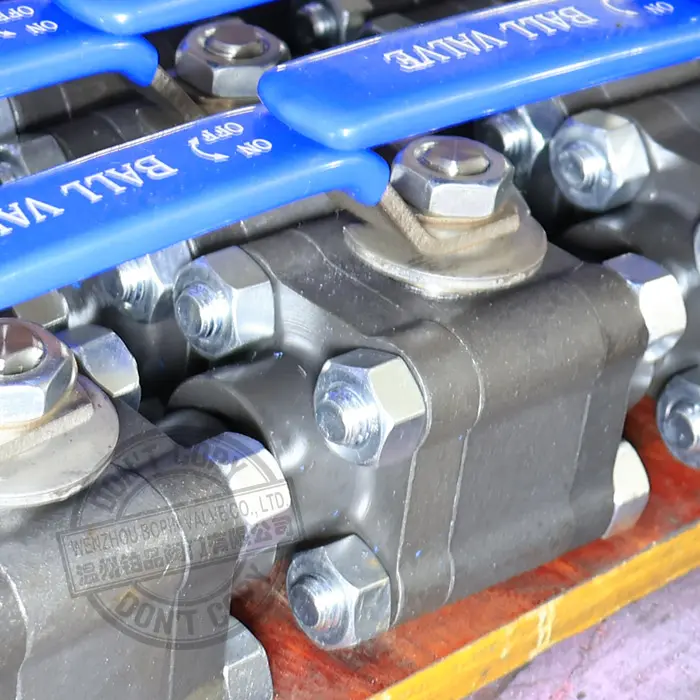
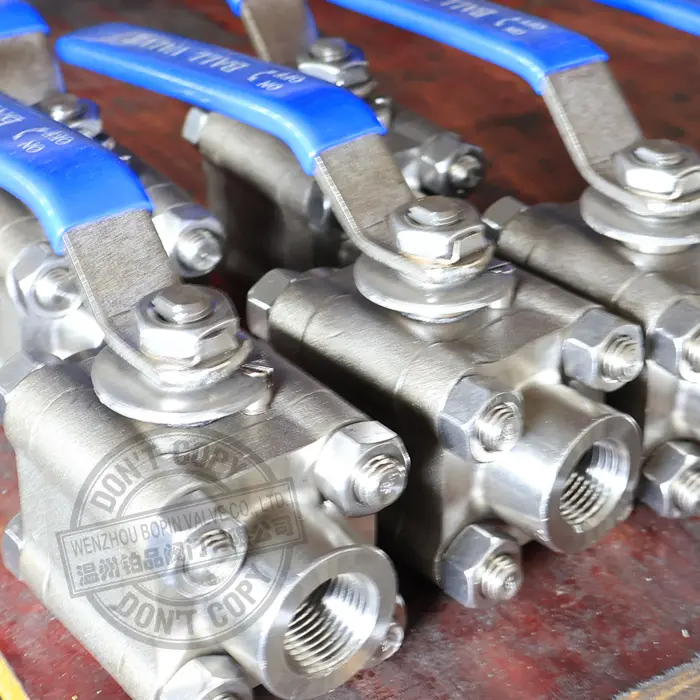
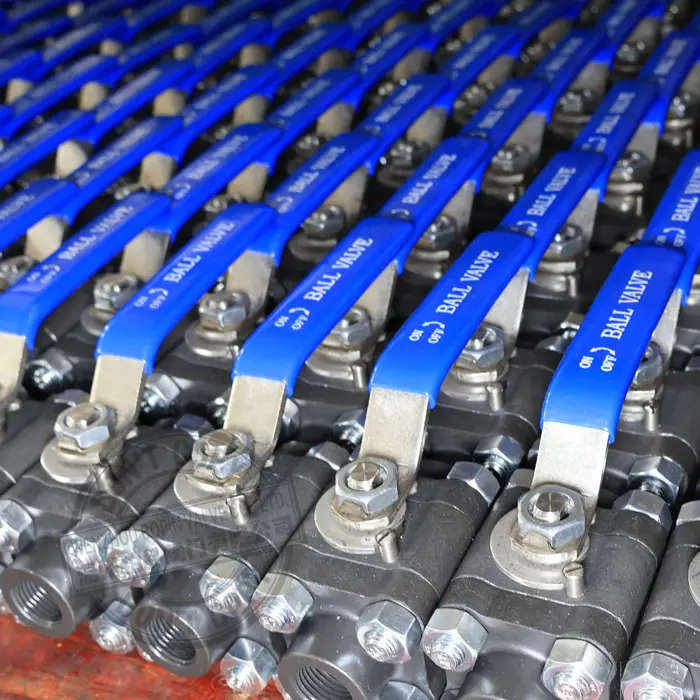
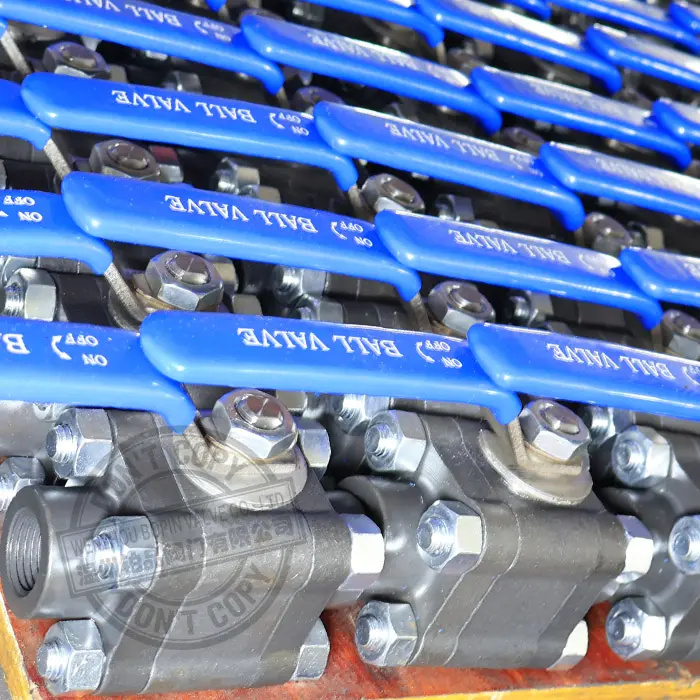
API 608 3PC Threaded End Split Body Forged Steel Ball Valve
The American Petroleum Institute standard API 608 forged steel ball valve is widely recognized as one of the most reliable and versatile quarter-turn valves used in industrial piping systems. Among the different configurations available in the market, the 3-piece threaded end split body forged steel ball valve has become especially popular in oil & gas, petrochemical, chemical processing, power generation, water treatment, and general industrial applications. Its compact structure, ease of maintenance, excellent sealing performance, and high-pressure capability make it an ideal solution for demanding operating conditions.
Introduction of API 608 Ball Valves
API 608 is a standard developed for metal ball valves used in flanged, threaded, butt welding, and socket welding ends. This specification defines the design requirements, material standards, pressure-temperature ratings, testing procedures, inspection methods, and marking requirements for industrial ball valves. API 608 valves are designed to provide reliable shut-off performance in high-pressure and high-temperature service conditions.
The 3PC threaded end split body forged steel ball valve is manufactured in accordance with API 608 requirements and usually also complies with standards such as:
- American Society of Mechanical Engineers ASME B16.34
- ASME B1.20.1 for threaded connections
- Fire-safe standards such as API 607
- NACE MR0175 for sour service applications
- ISO 5211 mounting pad standards
- MSS SP-110 for threaded ball valves
These standards ensure valve reliability, dimensional accuracy, safety, and interchangeability in industrial systems.
Structure of 3PC Split Body Ball Valve
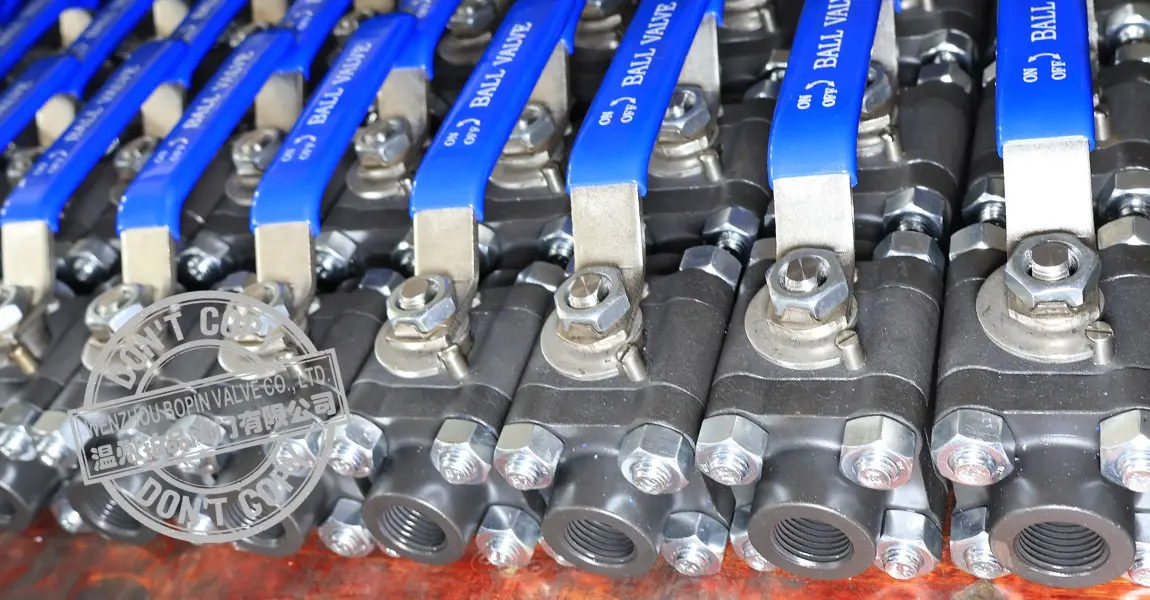
The term “3PC” refers to the three-piece body construction of the valve. The valve body consists of a center section and two end caps connected by bolts and nuts. This split body design offers several important advantages compared with one-piece or two-piece valves.
The main components include:
- Forged steel body
- Ball
- Stem
- Seats
- Gaskets
- End connectors
- Bolts and nuts
- Stem packing
- Lever or actuator mounting pad
The center body section can be removed easily from the pipeline without dismantling the entire valve ends. This allows quick maintenance, seat replacement, and internal inspection while keeping the pipeline connections intact.
Forged Steel Construction Advantages
Forged steel materials provide superior mechanical strength and pressure resistance compared with cast steel valves. The forging process refines the grain structure of the steel, reducing internal porosity and improving toughness.
Common forged steel materials include:
- ASTM A105 carbon steel
- ASTM A182 F304 stainless steel
- ASTM A182 F316 stainless steel
- Duplex stainless steel
- Alloy steel materials
Forged steel ball valves are particularly suitable for:
- High-pressure pipelines
- High-temperature service
- Steam systems
- Chemical processing
- Corrosive media
- Severe operating environments
The excellent structural integrity of forged steel construction greatly reduces the risk of leakage or body failure during operation.
Threaded End Connection
The threaded end design is commonly used for small-size piping systems, typically from 1/4 inch to 4 inches. Threaded connections allow easy installation without welding requirements.
Common thread standards include:
- NPT threaded ends
- BSPT threaded ends
- BSPP threaded ends
Threaded end ball valves are widely used in applications where welding may not be convenient or where periodic removal of the valve is necessary.
Advantages of threaded end connections include:
- Fast installation
- Reduced labor costs
- Easy replacement
- No welding equipment required
- Convenient maintenance
However, threaded valves are generally recommended for moderate pipeline sizes and pressure classes where vibration and thermal expansion are controlled properly.
Working Principle
The API 608 forged steel ball valve operates using a quarter-turn mechanism. Inside the valve body, a precision-machined ball with a bore rotates 90 degrees to control fluid flow.
When the bore aligns with the pipeline, the valve remains fully open, allowing unrestricted flow. When the ball rotates perpendicular to the pipeline, the flow path is blocked completely, providing tight shut-off performance.
The valve can be operated manually using a lever handle or automatically through pneumatic or electric actuators.
Key operating advantages include:
- Quick opening and closing
- Low operating torque
- Bubble-tight shut-off
- Minimal pressure drop
- Smooth operation
Sealing Performance
One of the major strengths of API 608 ball valves is their outstanding sealing capability. Soft seats made from PTFE, RPTFE, PEEK, or other advanced materials ensure excellent sealing between the ball and seats.
Many designs incorporate:
- Anti-static devices
- Fire-safe construction
- Blowout-proof stem
- Live-loaded packing
- Double sealing systems
The blowout-proof stem design improves operational safety by preventing accidental stem ejection under pressure conditions.
Fire-safe construction ensures that even if soft seats are damaged during a fire, secondary metal-to-metal sealing surfaces can maintain leakage control.
Pressure and Temperature Ratings
API 608 forged steel ball valves are available in different pressure classes, commonly including:
- Class 150
- Class 300
- Class 600
- Class 800
- Class 900
The actual pressure and temperature capability depends on body material, seat material, and design configuration.
Typical temperature ranges include:
- PTFE seats: -29°C to 180°C
- PEEK seats: up to 300°C
- Metal seats: higher temperature applications
Proper material selection is essential to ensure reliable long-term operation under varying service conditions.
Industrial Applications
API 608 3PC threaded end forged steel ball valves are widely used across numerous industries due to their durability and versatility.
Oil and Gas Industry
In oil and gas systems, these valves are commonly installed in:
- Refineries
- Offshore platforms
- Pipeline systems
- Fuel transfer lines
- Natural gas distribution
Their reliable shut-off performance helps maintain operational safety in hazardous environments.
Petrochemical Plants
Chemical and petrochemical facilities require valves capable of handling aggressive and corrosive media. Stainless steel and alloy steel ball valves provide excellent corrosion resistance for these demanding services.
Steam Systems
Forged steel valves are ideal for steam applications because of their high-pressure and high-temperature capability. They are commonly used in:
- Boiler systems
- Steam tracing
- Condensate lines
- Power plants
Water Treatment Systems
Ball valves are also widely used in industrial water systems due to their simple operation and low maintenance requirements.
Applications include:
- Filtration systems
- Water circulation
- Pump isolation
- Utility pipelines
Advantages of 3PC Forged Steel Ball Valve
The API 608 3PC threaded end split body forged steel ball valve offers several operational and maintenance benefits.
Easy Maintenance
The three-piece body design allows easy disassembly for cleaning and replacement of internal components without removing the entire valve from the pipeline.
Excellent Durability
Forged steel construction provides high mechanical strength and resistance to cracking, vibration, and pressure shock.
Tight Shut-Off
Precision-machined balls and resilient seats provide reliable zero-leakage sealing performance.
Flexible Automation
These valves can easily be equipped with pneumatic or electric actuators for automated process control systems.
Compact Design
The compact structure makes installation easier in confined industrial piping systems.
Inspection and Testing
Before delivery, API 608 forged steel ball valves typically undergo rigorous inspection and testing procedures, including:
- Shell pressure testing
- Seat leakage testing
- Air testing
- Material verification
- Dimensional inspection
- Visual examination
Additional non-destructive testing methods may include:
- Ultrasonic testing
- Magnetic particle inspection
- Dye penetrant testing
- Radiographic testing
These quality control procedures ensure the valve meets strict industrial standards and customer specifications.