




TECHNICAL LITERATURE





The Comparing Result of Light Body & Heavy Body Wafer Type Ductile Iron Dual Plate Check Valve
2026-03-23
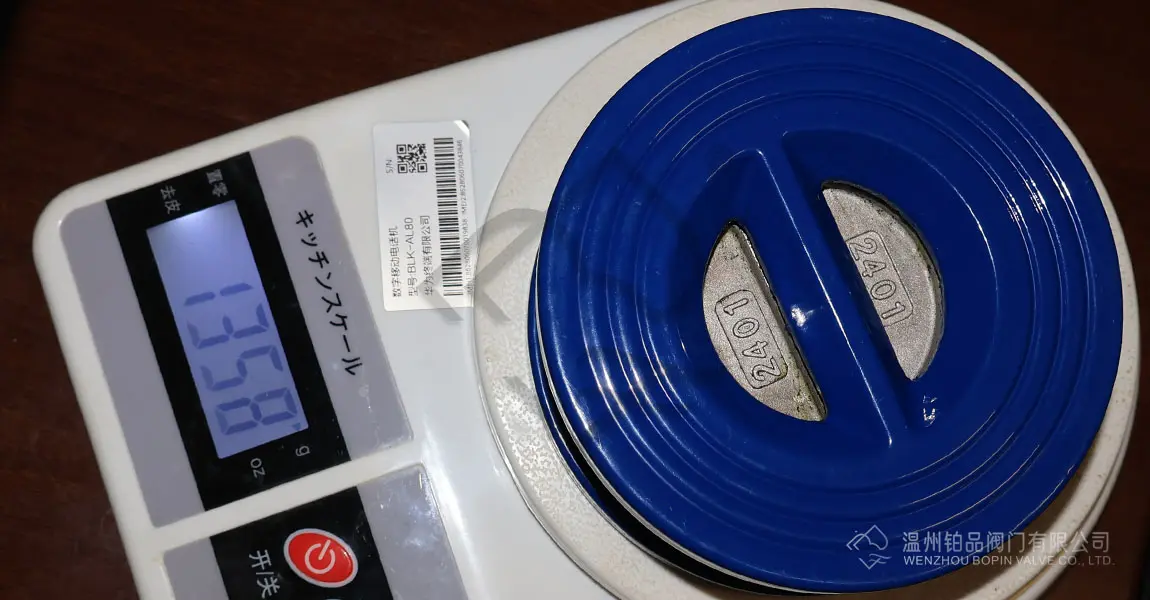
The comparison between light-body and heavy-body Dual Plate Check Valves typically revolves around several factors such as weight, material strength, cost, and performance. Here’s a breakdown of the key differences:
1. Weight and Size
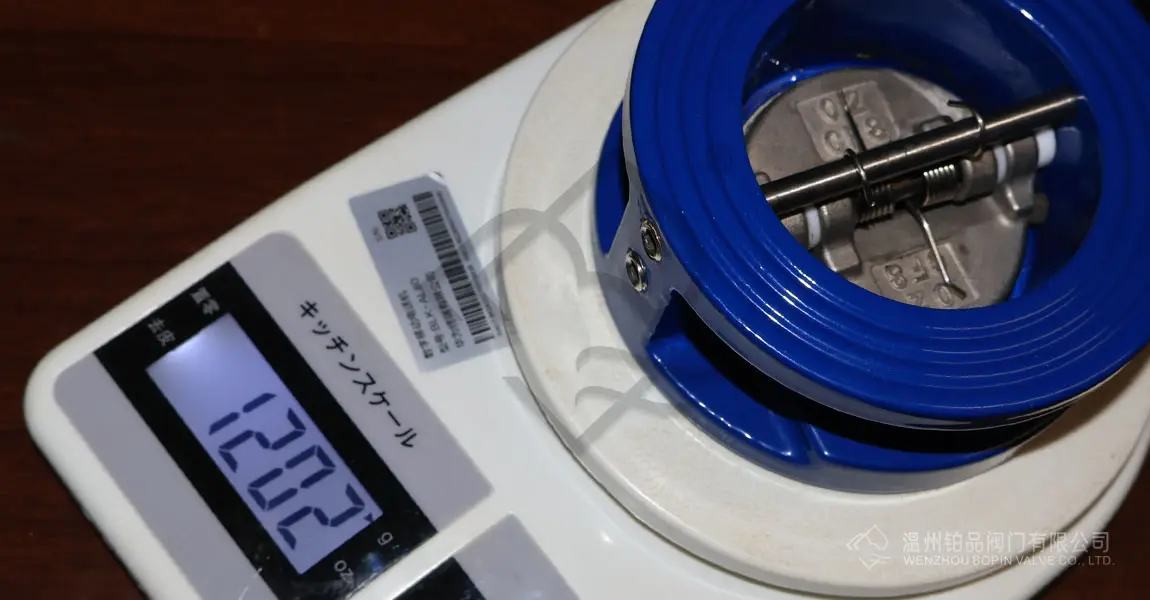
- Light Body: These valves are lighter, typically made from thinner materials and may have a less robust construction. They are designed for applications where weight is a concern, such as in transport or smaller pipelines.
- Heavy Body: These valves are heavier and have a more substantial construction, using thicker materials, which makes them more durable. They are designed for heavy-duty applications where strength is critical.
2. Durability and Strength
- Light Body: Due to the thinner materials used, light-body valves are more susceptible to wear and tear. They may not be as durable in harsh or high-pressure conditions.
- Heavy Body: The heavy-duty construction of these valves provides greater strength and durability, making them suitable for high-pressure, high-temperature, and severe service conditions. They generally last longer in demanding applications.
3. Flow Characteristics
- Light Body: Light-body valves often have slightly better flow characteristics due to their reduced material mass and smaller design. However, they may not be as efficient in terms of closing force or resistance to backflow in certain conditions.
- Heavy Body: Heavy-body valves tend to provide better sealing and are more effective at preventing backflow. However, their design may introduce slightly more resistance to flow, depending on the construction.
4. Cost
- Light Body: These valves are typically less expensive due to the use of lighter materials and a simpler design.
- Heavy Body: The increased use of materials and more complex design make heavy-body valves more expensive. However, they may be more cost-effective in the long run due to their greater durability and fewer replacements needed.
5. Applications
- Light Body: These are best suited for low-pressure systems or applications where weight and cost savings are a priority, such as in water treatment, HVAC, or some industrial systems.
- Heavy Body: These valves are preferred for high-pressure systems, oil and gas pipelines, power plants, and other applications where reliability and durability are paramount.
6. Performance in Extreme Conditions
- Light Body: May struggle with performance under extreme conditions such as high pressure or extreme temperatures.
- Heavy Body: Performs well under extreme pressure and temperature conditions, and can withstand aggressive environments such as chemical or abrasive materials.
7. Maintenance
- Light Body: Easier to handle and install due to its lower weight. However, it may require more frequent maintenance in harsh conditions.
- Heavy Body: Typically requires less frequent maintenance due to its robust nature, but can be more difficult to handle and install due to the increased weight.
Summary Table
| Feature | Light Body Dual Plate Check Valve | Heavy Body Dual Plate Check Valve |
|---|---|---|
| Weight | Lighter, easier to handle | Heavier, more difficult to handle |
| Durability | Less durable, more prone to wear | More durable, withstands harsh conditions |
| Flow Characteristics | Slightly better flow, less resistant | Better sealing, but may add flow resistance |
| Cost | Lower cost due to simpler design | Higher cost, more materials |
| Applications | Low-pressure systems, cost-sensitive areas | High-pressure, severe-duty applications |
| Maintenance | Requires more frequent maintenance | Less frequent maintenance due to durability |
Both valve types are used widely in different industries, with the choice largely depending on the application’s requirements for durability, pressure, and cost considerations.