







Definitions and Differences of API 6D, API 594, API 602, and BS 1868 Check Valves
API 6D is the American Petroleum Institute standard titled Pipeline and Piping Valves. It applies primarily to valves installed in long-distance oil and natural gas transmission pipelines.
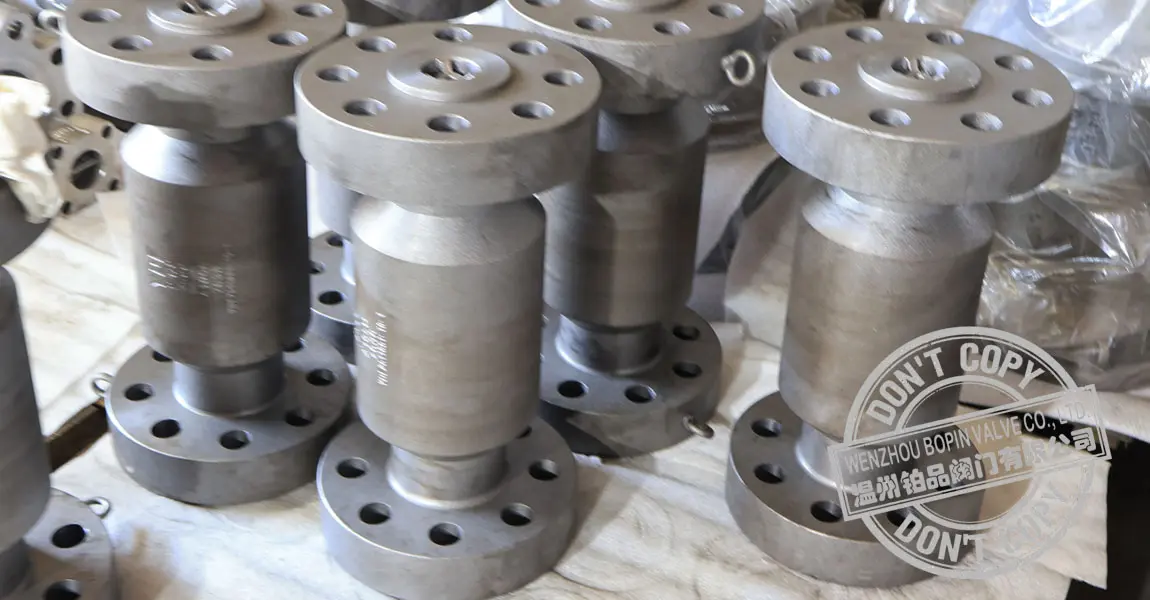
An API 6D check valve is designed to provide reliable backflow prevention while meeting stringent requirements for pipeline safety, fire safety, pressure testing, and operational reliability.
Main Characteristics
- Pipeline service
- Full bore or reduced bore
- High-pressure capability
- Fire-safe design
- Fugitive emission considerations
- Low-pressure drop
- Piggable pipeline compatibility
- Suitable for onshore and offshore pipelines
Typical Types
- SWING CHECK VALVE
- Axial Flow Check Valve
- Tilting Disc Check Valve
- Piston Check Valve
Applications
- Crude oil pipelines
- Natural gas transmission
- LNG terminals
- Offshore platforms
- Refinery transfer pipelines
What is an API 594 Check Valve?
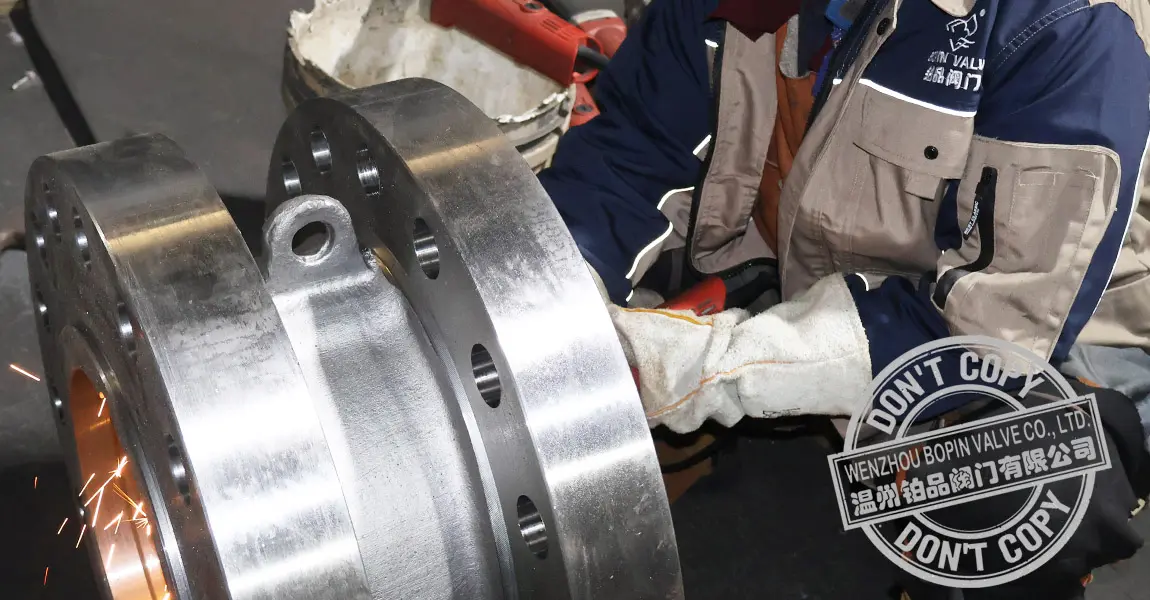
API 594 is the American Petroleum Institute standard specifically developed for Wafer, Wafer-Lug, and Double Flanged Check Valves.
Unlike API 6D, API 594 focuses on compact check valve construction rather than complete pipeline valve requirements.
API 594 has become one of the world's most widely adopted standards for compact Non-Return Valves.
Main Characteristics
- Wafer type
- Dual plate design
- Single disc design
- Wafer lug type
- Short face-to-face dimensions
- Lightweight construction
- Low installation cost
- Reduced water hammer
Advantages
- Compact structure
- Low weight
- Easy installation
- Fast closing action
- Excellent sealing
- Low maintenance
Applications
- Chemical plants
- Water treatment
- HVAC systems
- Petrochemical plants
- Marine engineering
- Cooling water systems
What is an API 602 Check Valve?
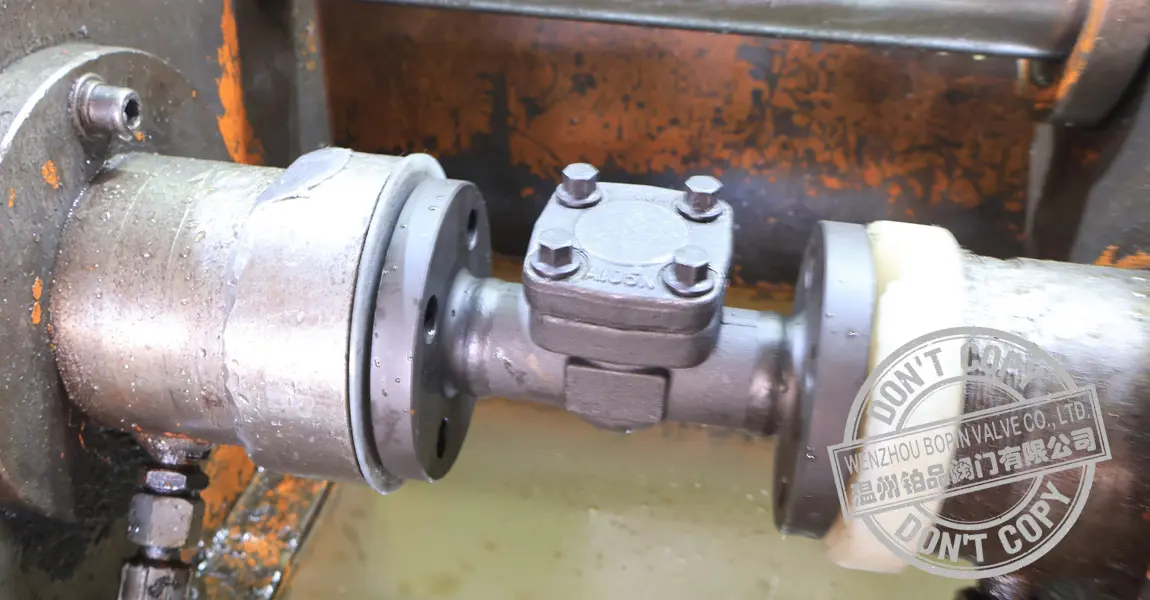
API 602 specifies requirements for Compact Steel Gate, Globe, Check, and Ball Valves.
Unlike API 594 or BS 1868, API 602 mainly covers small Forged Steel Valves, generally ranging from NPS 1/2 to NPS 4.
API 602 check valves are commonly manufactured from forged carbon steel, forged stainless steel, alloy steel, duplex stainless steel, and other forged materials.
Main Characteristics
- Forged steel construction
- Small bore
- High pressure
- Socket weld
- Threaded ends
- Butt weld ends
- Flanged ends (certain designs)
- Compact dimensions
Common Designs
- Swing Check Valve
- Lift Check Valve
- Piston Check Valve
Applications
- Steam systems
- High-pressure piping
- Boiler feedwater
- Chemical plants
- Oil and gas facilities
- Instrument systems
What is a BS 1868 Check Valve?
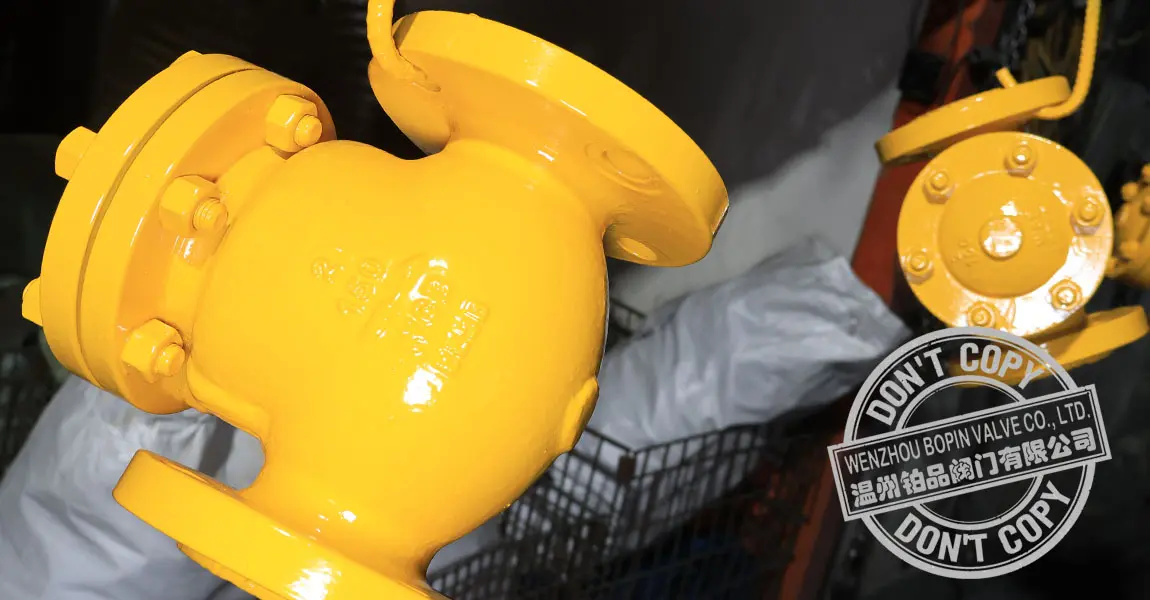
BS 1868 is the British Standard covering Steel Check Valves and Swing Check Valves with Flanged and Butt Welding Ends.
Although developed by the British Standards Institution, BS 1868 valves are widely accepted throughout Europe, the Middle East, Asia, and many international industrial projects.
BS 1868 mainly covers conventional full-size cast steel swing check valves.
Main Characteristics
- Cast steel construction
- Swing disc
- Bolted bonnet
- Pressure seal bonnet (optional)
- Flanged ends
- Butt welding ends
- Heavy-duty design
Common Materials
- ASTM A216 WCB
- ASTM A217 WC6
- ASTM A217 WC9
- ASTM A351 CF8
- ASTM A351 CF8M
- Duplex stainless steel
Applications
- Power plants
- Steam pipelines
- Petrochemical plants
- Oil refineries
- Fertilizer plants
- Industrial process systems
Major Differences Between the Four Standards
1. Standard Scope
API 6D covers complete pipeline valves for transmission systems.
API 594 focuses on compact wafer check valves.
API 602 applies to small forged steel valves.
BS 1868 covers conventional cast steel swing check valves.
2. Valve Construction
API 594 valves are thin and lightweight.
BS 1868 valves are much larger and heavier.
API 602 valves are compact forged valves.
API 6D valves emphasize pipeline integrity and operational reliability.
3. Valve Size
API 602 generally covers:
- 1/2"
- 3/4"
- 1"
- 2"
- 3"
- 4"
API 594 commonly ranges from:
- 2"
- 48"
API 6D commonly ranges from:
- 2"
- 60"+
BS 1868 commonly ranges from:
- 2"
- 48"
4. Manufacturing Method
API 602
- Forged steel
API 594
- Cast or forged body
BS 1868
- Cast steel
API 6D
- Cast or forged depending on design
5. Installation Space
API 594 requires the least installation space.
BS 1868 requires the largest installation space.
API 602 is compact for small piping.
API 6D depends on pipeline design.
6. Weight
API 594
Very light
API 602
Light
BS 1868
Heavy
API 6D
Medium to heavy
7. Pressure Drop
API 594 generally provides lower pressure loss because of its short body.
BS 1868 may generate higher pressure losses due to larger body dimensions.
API 6D designs often optimize flow efficiency for transmission pipelines.
API 602 pressure loss depends on lift or swing configuration.
8. Maintenance
API 594 generally requires minimal maintenance.
BS 1868 allows easier internal inspection through its bolted bonnet.
API 602 is straightforward to maintain due to its compact forged construction.
API 6D valves are designed for long service life in critical pipeline systems.
9. Typical Industries
| Standard | Main Industries |
|---|---|
| API 6D | Oil & Gas Pipelines |
| API 594 | Water, Chemical, HVAC |
| API 602 | Steam, High Pressure |
| BS 1868 | Power Plants, Refineries |
Selection Guide
Choose API 6D when the project involves long-distance oil or gas transmission pipelines requiring pipeline-specific valve performance.
Choose API 594 when space is limited and a lightweight, wafer-style check valve is preferred for general industrial service.
Choose API 602 when a compact, forged steel check valve is required for small-bore, high-pressure piping systems.
Choose BS 1868 when a conventional, heavy-duty cast steel swing check valve is needed for steam, refinery, or power generation applications.
Although API 6D, API 594, API 602, and BS 1868 all relate to check valves, they are intended for different engineering purposes. API 6D is dedicated to pipeline transmission systems with rigorous operational and testing requirements. API 594 defines compact wafer and wafer-lug check valves that save space and reduce weight. API 602 specifies forged steel check valves for small-bore, high-pressure applications, while BS 1868 covers traditional cast steel swing check valves for heavy industrial service.
Understanding these distinctions enables engineers, contractors, and purchasing professionals to select the most appropriate valve standard for safety, performance, reliability, and lifecycle cost.
Excel Comparison Sheet
You can copy the following table directly into Microsoft Excel.
| Item | API 6D | API 594 | API 602 | BS 1868 |
|---|---|---|---|---|
| Standard Type | Pipeline Valve Standard | Wafer Check Valve Standard | Compact Forged Steel Valve Standard | Cast Steel Check Valve Standard |
| Primary Valve Type | Pipeline Check Valve | Wafer Check Valve | Forged Check Valve | Swing Check Valve |
| Typical Construction | Cast/Forged Steel | Wafer Dual Plate/Single Disc | Forged Steel | Cast Steel |
| Typical Size Range | NPS 2–60+ | NPS 2–48 | NPS 1/2–4 | NPS 2–48 |
| Body Type | Full Bore/Reduced Bore | Thin Wafer Body | Compact Body | Heavy Body |
| Installation | Pipeline | Between Flanges | Threaded/SW/BW/Flanged | Flanged/BW |
| Weight | Medium–Heavy | Light | Light | Heavy |
| Face-to-Face | Pipeline Standard | Short | Compact | Long |
| Pressure Class | Class 150–2500 | Class 150–2500 | Class 800–2500 (typical) | Class 150–2500 |
| Main Materials | Carbon Steel, Stainless Steel, Duplex | Carbon Steel, Stainless Steel, Duplex | Forged Carbon Steel, Stainless Steel, Alloy Steel | Cast Carbon Steel, Stainless Steel, Alloy Steel |
| Common Disc Types | Swing, Axial, Tilting | Dual Plate, Single Disc | Lift, Swing, Piston | Swing |
| Typical Applications | Oil & Gas Pipelines | Water, HVAC, Chemical | Steam, High Pressure | Refineries, Power Plants |
| Space Requirement | Medium | Minimum | Small | Large |
| Maintenance | Low | Low | Moderate | Easy |
| Main Advantage | Pipeline Reliability | Compact & Lightweight | High Pressure & Forged Strength | Heavy-Duty Industrial Service |