





The Critical Role of Ultrasonic Cleaning Equipment in the Manufacturing Process of Various Industrial Valves
In modern industrial valve manufacturing, precision, cleanliness, and reliability are no longer optional requirements—they are essential standards that directly determine valve performance, operational safety, and service life. Whether producing gate valves, globe valves, ball valves, check valves, butterfly valves, or high-pressure Forged Steel Valves, manufacturers must ensure that every component is completely free from contaminants before assembly and testing. This is where ultrasonic cleaning equipment plays a vital role.
Ultrasonic cleaning technology has become one of the most important auxiliary processes in industrial valve production because it provides deep, efficient, and non-destructive cleaning for precision valve components. Compared with traditional manual washing or chemical soaking methods, ultrasonic cleaning offers superior cleaning capability, higher productivity, reduced labor intensity, and improved product consistency.
What Is Ultrasonic Cleaning Technology?
Ultrasonic cleaning is a process that uses high-frequency sound waves, usually between 20 kHz and 80 kHz, transmitted through a liquid cleaning solution. These sound waves generate microscopic bubbles in the liquid through a phenomenon known as cavitation. When these bubbles collapse, they create extremely powerful micro-jets and shock waves that remove contaminants from metal surfaces, internal cavities, threads, grooves, and blind holes.
The technology is especially suitable for Industrial Valves because valve components often contain complex internal structures that are difficult to clean using conventional methods. Ultrasonic cleaning can penetrate areas that brushes, sprays, or manual cleaning cannot effectively reach.
Why Cleanliness Is Critical in Industrial Valve Manufacturing
Industrial valves are widely used in industries such as oil and gas, petrochemical, power generation, LNG, marine, mining, water treatment, pharmaceutical processing, and chemical plants. In these demanding environments, even microscopic contamination can create serious operational problems.
During machining and manufacturing, valve parts are exposed to numerous contaminants, including:
- Metal chips
- Machining oil
- Cutting fluids
- Polishing compounds
- Welding residues
- Dust particles
- Rust inhibitors
- Grease and dirt
If these contaminants remain inside the valve body or sealing surfaces, they can negatively affect valve performance in several ways:
1. Damage to Sealing Surfaces
Particles trapped between the seat and disc may scratch precision-machined sealing surfaces, leading to leakage during pressure testing or field operation.
2. Reduced Operational Reliability
Contamination inside stems, bushings, bearings, or actuator interfaces may increase friction and reduce operational smoothness.
3. Corrosion Risks
Residual chemicals or metal particles can accelerate corrosion, particularly in stainless steel valves used in corrosive media.
4. Failure in Critical Applications
In industries such as LNG, oxygen service, pharmaceutical processing, and ultra-clean chemical applications, contamination can cause catastrophic safety and operational issues.
For these reasons, advanced valve manufacturers treat ultrasonic cleaning as an essential production stage rather than an optional process.
Applications of Ultrasonic Cleaning in Different Valve Types
Gate Valves
Gate valves contain large body cavities, wedge discs, seat rings, stem threads, and guide grooves. During machining, these areas accumulate cutting oils and metal debris. Ultrasonic cleaning ensures all internal cavities are thoroughly cleaned before assembly.
In API 600 cast steel wedge gate valves, ultrasonic cleaning is particularly important for maintaining sealing integrity and reducing leakage risk during hydrostatic and seat testing.
Globe Valves
Globe valves require extremely precise seating surfaces and internal flow paths. Even small contaminants can damage seat tightness and throttling performance. Ultrasonic cleaning effectively removes polishing compounds and fine machining particles from discs, seats, and body cavities.
Ball Valves
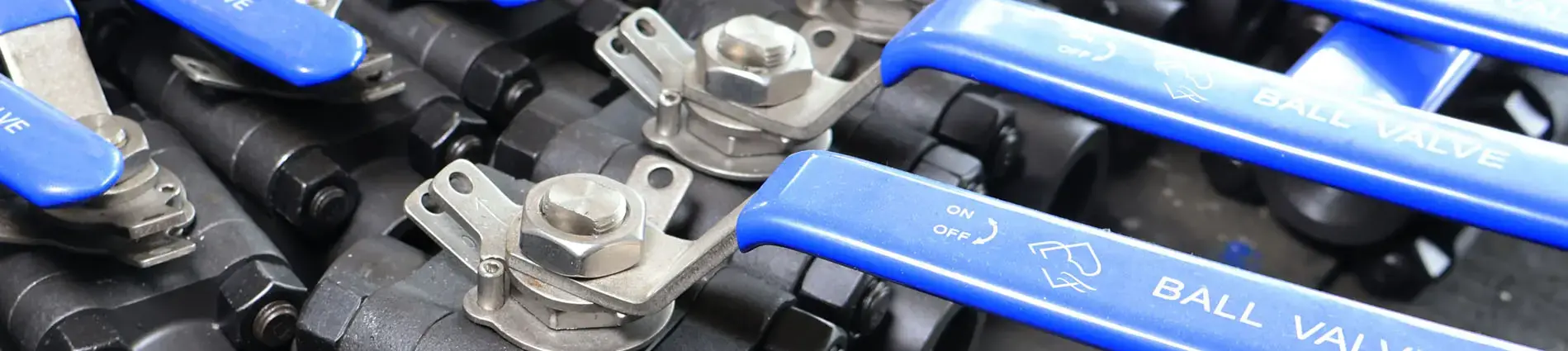
Ball valves feature precision-polished balls and soft or metal seats. Any remaining debris may scratch the ball surface and compromise sealing performance. Ultrasonic cleaning provides non-abrasive cleaning that protects the mirror-finished ball surface.
Check Valves
Swing check valves and dual plate check valves contain hinge pins, springs, and internal moving components. Ultrasonic cleaning removes trapped contaminants from narrow gaps and moving assemblies, ensuring reliable disc movement.
Bellows Sealed Valves
Bellows sealed valves are commonly used in hazardous and high-temperature applications. Because the bellows structure is delicate and difficult to clean manually, ultrasonic cleaning provides a safe and effective cleaning solution without mechanical damage.
High-Purity and Oxygen Service Valves
Valves used in oxygen systems or pharmaceutical industries require exceptionally high cleanliness standards. Ultrasonic cleaning is often combined with special cleaning chemicals and deionized water rinsing to achieve oil-free and contamination-free surfaces.
Main Advantages of Ultrasonic Cleaning Equipment
Superior Cleaning Performance
The greatest advantage of ultrasonic cleaning is its ability to clean complex geometries and microscopic areas uniformly. Industrial valves often contain blind holes, threaded sections, and internal channels that are impossible to clean manually. Cavitation bubbles penetrate these difficult areas effectively.
Non-Destructive Cleaning
Unlike abrasive cleaning methods, ultrasonic cleaning does not damage delicate sealing surfaces or precision-machined components. This is particularly important for stainless steel, duplex steel, and alloy valve parts.
Improved Manufacturing Efficiency
Traditional manual cleaning is labor-intensive and inconsistent. Ultrasonic systems can clean multiple components simultaneously within a short cycle time, significantly improving production efficiency. Some industrial cleaning cycles require only several minutes.
Consistent Cleaning Quality
Automated ultrasonic cleaning systems ensure repeatable and standardized cleaning quality. This consistency helps valve manufacturers maintain strict quality control standards for export and industrial projects.
Reduced Chemical Usage
Modern ultrasonic cleaning systems often use water-based biodegradable detergents instead of harsh solvents. This reduces environmental impact and improves workplace safety.
Lower Labor Costs
By automating much of the cleaning process, manufacturers reduce manual labor requirements and minimize operator fatigue.
Better Product Reliability
Clean valve components improve sealing performance, operational stability, and long-term durability, reducing the risk of warranty claims or field failures.
Key Factors Affecting Ultrasonic Cleaning Performance
To achieve optimal cleaning results in valve manufacturing, several important factors must be carefully controlled.
Ultrasonic Frequency
Lower frequencies provide stronger cavitation for heavy contamination removal, while higher frequencies are suitable for delicate precision cleaning.
Cleaning Solution
Different valve materials require different cleaning chemicals. Stainless steel, carbon steel, bronze, and duplex steel may need specialized detergents to prevent corrosion or staining.
Temperature Control
Elevated solution temperature improves cleaning efficiency by reducing oil viscosity and enhancing cavitation performance.
Cleaning Time
Insufficient cleaning time may leave residues, while excessive exposure may affect certain sensitive components.
Drying Process
After ultrasonic cleaning, proper drying is essential to prevent water spots or flash rusting on valve parts. Many manufacturers use hot-air drying or vacuum drying systems after cleaning.
Integration of Ultrasonic Cleaning into Automated Valve Production
Today’s advanced valve factories increasingly integrate ultrasonic cleaning systems into automated production lines. Components move sequentially through:
- Degreasing
- Ultrasonic cleaning
- Rinsing
- Secondary rinsing
- Drying
- Inspection
This integrated process improves manufacturing efficiency while ensuring stable product quality for large-volume production.
In high-end valve manufacturing facilities, ultrasonic cleaning is often performed before assembly, after machining, and sometimes even before final packaging for export.
Future Trends of Ultrasonic Cleaning in Valve Manufacturing
As industrial standards continue to become stricter, ultrasonic cleaning technology is evolving rapidly. Future trends include:
- Fully automated robotic cleaning systems
- Intelligent process monitoring
- Energy-efficient ultrasonic generators
- Multi-frequency cleaning systems
- Environmentally friendly cleaning chemicals
- Integration with Industry 4.0 smart manufacturing systems
With increasingly demanding standards in LNG, hydrogen energy, nuclear power, and semiconductor industries, ultrasonic cleaning will become even more important in ensuring ultra-clean valve production.