Top 5 Tips for Choosing Bs 5163 Non-Rising Stem Gate Valves?
Choosing the right valves is crucial in fluid management. The **Bs 5163 Non-Rising Stem Resilient Seated Gate Valves** play a significant role in this field. According to industry expert John Smith, "Selecting the appropriate valve can prevent costly failures." This highlights the importance of careful consideration.
When selecting a **Bs 5163 Non-Rising Stem Resilient Seated Gate Valve**, various factors come into play. These valves are designed for specific applications and environments. Features like size, pressure rating, and body materials must align with your project needs. Neglecting to assess these parameters may lead to operational inefficiencies or even safety issues.
It's not just about technical specifications. Understanding the application context is essential. Valves can behave differently under varying conditions. Experts often emphasize the need for a comprehensive evaluation process. With the right knowledge, you can avoid common pitfalls and ensure reliable performance throughout the valve's lifespan.
Understanding BS 5163 Standards for Non-Rising Stem Gate Valves
The BS 5163 standards are crucial for non-rising stem gate valves. These standards ensure that valves meet specific performance criteria, ensuring reliability and safety in various applications. A thorough understanding of these standards is essential for engineers and procurement teams involved in valve selection.
When choosing non-rising stem gate valves, consider the design features. The valve body material is vital; it should withstand pressure and corrosion based on the application. You must analyze the operating environment. When valves are exposed to harsh conditions, durability is critical.
Non-rising stem designs can save space. However, they may not always provide visual indicators of valve position. This can lead to confusion during operation. Hence, it is important to install indicators or sensors. The choice of actuator type should also align with operational requirements. Reflect on the balance between manual and automated options to achieve optimal functionality.
Top 5 Tips for Choosing BS 5163 Non-Rising Stem Gate Valves
Key Considerations for Material Selection in Gate Valve Applications
When selecting Bs 5163 non-rising stem gate valves, material choice is crucial. The valves operate under various conditions, which impact their longevity and performance. Different materials offer distinct advantages. For example, cast iron is cost-effective but may not withstand high pressure. Stainless steel provides excellent corrosion resistance, yet it can be pricey.
Understanding the environment where the valve will be used is essential. For harsh environments, materials like duplex stainless steel might be the best option. They resist pitting and crevice corrosion. Sometimes, a more affordable material may seem attractive but can lead to frequent failures. This can increase overall costs over time due to maintenance and replacement.
Additionally, consider how temperature variation affects material properties. Some materials may become brittle in low temperatures. Assessing specific industry standards can also guide your decision-making. Evaluating the operational conditions will provide a clearer picture of which material will meet both performance and budget requirements.
Evaluating Pressure Rating and Size Specifications for Optimal Performance
When selecting BS 5163 non-rising stem gate valves, pressure rating and size specifications are crucial. Pressure ratings indicate how much pressure the valve can withstand. This is vital for ensuring that the valve will perform effectively in your system. Incorrect pressure ratings can lead to leaks or failures. Always check that the pressure rating matches your pipeline requirements.
Size specifications are equally important. A valve that is too large or too small can disrupt flow rates and system efficiency. Measure the diameter of the pipe accurately before making a choice. A mismatch can cause significant issues downstream. If you are not certain, consult with a professional. Their expertise can help avoid costly mistakes.
Finally, consider the materials used in the valve’s construction. Different applications require different materials based on the media being transported. This might not be an obvious factor but can make a significant difference over time. Balancing material choice with pressure ratings and size can be challenging. However, thoughtful evaluation leads to better long-term results for your systems.
The Importance of Stem Configuration and Operation Mechanism Analysis
When selecting BS 5163 non-rising stem gate valves, understanding stem configuration is crucial. The stem acts as the primary mechanism for valve operation. A robust stem design ensures reliable performance under high pressure and varying temperatures. According to industry reports, nearly 40% of valve failures stem from inadequate stem configurations. Thus, selecting a valve with a well-engineered stem can significantly reduce operational downtimes.
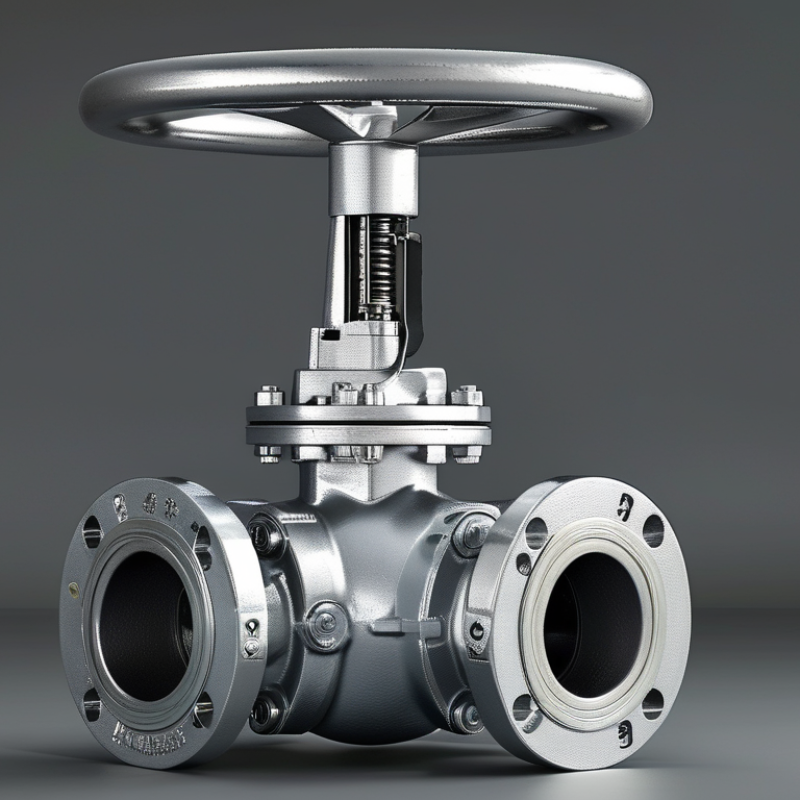
In addition, analyzing the operation mechanism is vital. Non-rising stems operate via a threaded connection that allows for linear movement without extending above the valve body. This compact design is advantageous in limited spaces. However, it's essential to note that incorrect installation can lead to mechanical failures. A report by the American Society of Mechanical Engineers (ASME) states that improper valve operation contributes to 30% of system inefficiencies. Therefore, understanding both the stem's configuration and the operational mechanism is critical for ensuring longevity and efficiency in industrial applications.
Assessing Manufacturer Certifications and Quality Assurance Processes
When selecting BS 5163 non-rising stem gate valves, evaluating the manufacturer's certifications is crucial. Quality assurance processes reveal a lot about a manufacturer. Look for certifications that demonstrate compliance with international standards. These include ISO 9001 and API 600. Such certifications indicate a commitment to quality and reliability. However, not all certifications guarantee excellence. It’s essential to verify their validity.
Do not overlook the manufacturing process itself. A focus on quality assurance includes regular inspections and testing. Engage with manufacturers about their processes. Ask how they conduct their quality checks. Transparency is a good sign. If a manufacturer hesitates to share details, consider it a red flag. Remember, a reliable manufacturer should be willing to discuss their methods openly.
In addition, feedback from previous customers can be invaluable. Reviews highlight not just success stories but also areas for improvement. An established manufacturer values client input. They adapt based on feedback. Reflect on these factors when making your choice. Selecting a valve is not just about specifications; it’s about choosing a partner who prioritizes quality and trust.




 Zalo
Zalo