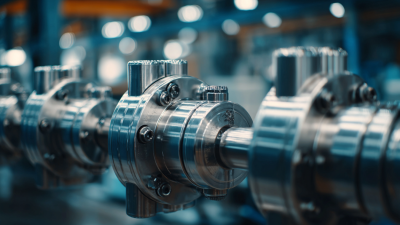
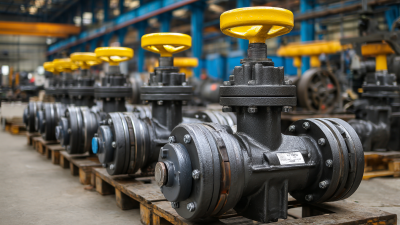
Why Choose Forged Steel Valves for Your Industrial Needs?
Forged Steel Valves stand out as a critical choice in industrial applications. These valves offer unmatched strength and durability. Their fabrication process results in a tighter grain structure, maximizing performance under high pressure and extreme temperatures.
Choosing Forged Steel Valves can lead to enhanced safety and reliability. This is vital in industries where failure can have significant consequences. They resist corrosion and wear, ensuring longevity. Yet, it’s important to weigh costs against performance benefits. Sometimes, a higher initial investment pays off in the long run.
Additionally, sourcing from reputable manufacturers is essential. Not all suppliers adhere to the same quality standards. Investing in high-quality Forged Steel Valves can prevent breakdowns and costly maintenance. Reflecting on your specific needs will guide you to the right choice.
Advantages of Forged Steel Valves in High-Pressure Applications
Forged steel valves are increasingly popular in high-pressure applications. Their unique manufacturing process enhances durability and strength. Unlike cast valves, forged valves undergo a shaping process that aligns the metal's grain structure. This results in superior resistance to pressure and temperature fluctuations. In industries like oil and gas, reliable performance is critical.
These valves stand out in extreme conditions. They perform well under high pressure, ensuring safety and efficiency. The design allows for tighter sealing, minimizing the risk of leaks. Users must be cautious, though. Not all applications benefit equally from forged steel. Factors like fluid composition and temperature should be considered.
Forged steel valves can be more costly upfront. However, their long-term reliability often offsets initial expenses. Regular maintenance is essential to ensure optimal performance. Buyers should also consider the specific needs of their systems. Investing in the right type of valve can make a significant difference. It’s crucial to approach these decisions with care.
Comparative Analysis: Forged Steel vs. Cast Iron Valves
When comparing forged steel valves to cast iron options, it’s essential to look at durability and performance. Research indicates that forged steel valves possess greater strength than cast iron valves. A study by the American Society of Mechanical Engineers (ASME) shows that forged steel has a yield strength of approximately 36,000 psi, whereas cast iron often fails around 18,000 psi. This significant difference makes forged steel a preferred choice in high-pressure applications.
Corrosion resistance further distinguishes forged steel from cast iron. Reports from the National Association of Corrosion Engineers (NACE) highlight that forged steel can withstand harsher environments. In contrast, cast iron may be more susceptible to rust and degradation. This susceptibility can lead to operational failures and costly downtime. However, cast iron may be cheaper upfront, which can be misleading for budget-conscious managers.
Ultimately, the decision between these two materials requires careful consideration. Forged steel valves may have a higher initial investment but offer superior longevity. Cast iron is easier to fabricate, yet it might not hold up in demanding scenarios. Industrial decision-makers must balance costs with long-term performance needs. It's a complex decision that requires thorough evaluation.
Durability and Longevity: Statistical Insights on Valve Lifespan
Forged steel valves are known for their exceptional durability. They can withstand extreme temperatures and high pressures. Statistical insights show that these valves often last longer than their counterparts. In severe industrial environments, forged steel valves can have a lifespan of over 20 years. The robust construction minimizes wear and tear, providing reliability.
In various studies, industries have reported fewer failures with forged steel valves. This leads to lower maintenance costs and reduced downtime. Many facilities have observed a decrease in unscheduled shutdowns. Operators appreciate the long-term investment this durability offers.
Tip: Regularly inspect and maintain your valves. Even the best materials can degrade without proper care.
Another interesting point is the manufacturing process. Forged steel often exhibits a finer grain structure than cast varieties. This enhances the valve's strength and resilience. However, the initial cost may be higher.
Tip: Weigh the long-term benefits against upfront expenses. It’s a crucial step in making informed choices for your facility's needs.
Cost-Effectiveness in Industrial Settings: A Financial Perspective
When considering industrial needs, cost-effectiveness often guides equipment choices. Forged steel valves emerge as financially wise investments. Their durability means fewer replacements. This reduces long-term maintenance costs. Industries benefit from reliable performance under pressure.
Each valve undergoes stringent testing. This enhances their reliability in harsh conditions. While they tend to have higher initial costs, the longevity surpasses cheaper alternatives. In many cases, cheaper valves fail sooner, leading to unexpected expenses. It’s essential to weigh the upfront cost against potential future savings.
Investing in forged steel valves does present challenges. Some users may find it difficult to assess their actual lifetime value. Additionally, the strong material might make them seem less versatile. However, in many settings, this strength is an asset. The right choice can lead to increased productivity and reduced downtime. Trusting quality over price often yields better returns.
Industry Standards and Certifications for Forged Steel Valves
When selecting valves for industrial applications, adherence to industry standards is crucial. Forged steel valves are recognized for their durability and strength. They are often subject to rigorous certification processes. The American Society for Testing and Materials (ASTM) and the American National Standards Institute (ANSI) set key guidelines. These standards ensure that forged steel valves meet specific performance criteria. For instance, ASTM A105 covers forged carbon steel piping components, ensuring quality in various environments.
The certification process can be intricate. It involves testing for pressure ratings, temperature limits, and corrosion resistance. For example, valves may undergo Hydrostatic testing to verify leak tightness. According to a recent industry report, over 80% of manufacturers recommend valves that comply with these standards to enhance system reliability. However, not all manufacturers adhere strictly to standards, which can lead to varied performance and longevity.
Beyond compliance, the choice of materials greatly impacts valve performance. For instance, valves made from high-quality forged steel offer better tensile strength than those made from cast materials. A recent review identified that forged materials can withstand pressures of up to 4000 psi in certain applications. Yet, organizations must regularly evaluate their suppliers' certifications to ensure they are up to date. Relying on outdated certifications can pose risks to operational safety and efficiency.




 Zalo
Zalo