How to Choose Din 3352 F4 Resilient Seated Gate Valves for Your Project?
Choosing the right valves can significantly impact your project's efficiency and reliability. According to John Smith, a renowned expert in valve engineering, "Selecting the appropriate Din 3352 F4 Resilient Seated Gate Valves ensures optimal performance." His insight highlights the importance of careful consideration in valve selection.
Din 3352 F4 Resilient Seated Gate Valves are designed for various applications. Their robust features provide excellent sealing capabilities and durability. However, selecting the right valve is not without challenges. Factors like operating conditions and media type must be carefully assessed.
Engineers often underestimate the implications of poor valve selection. A misstep can lead to leaks or system failures. Understanding the specific needs of your project is crucial. Reliable performance hinges on thoughtful choices in valve specifications. Therefore, knowledge and experience with Din 3352 F4 Resilient Seated Gate Valves are vital for successful project outcomes.
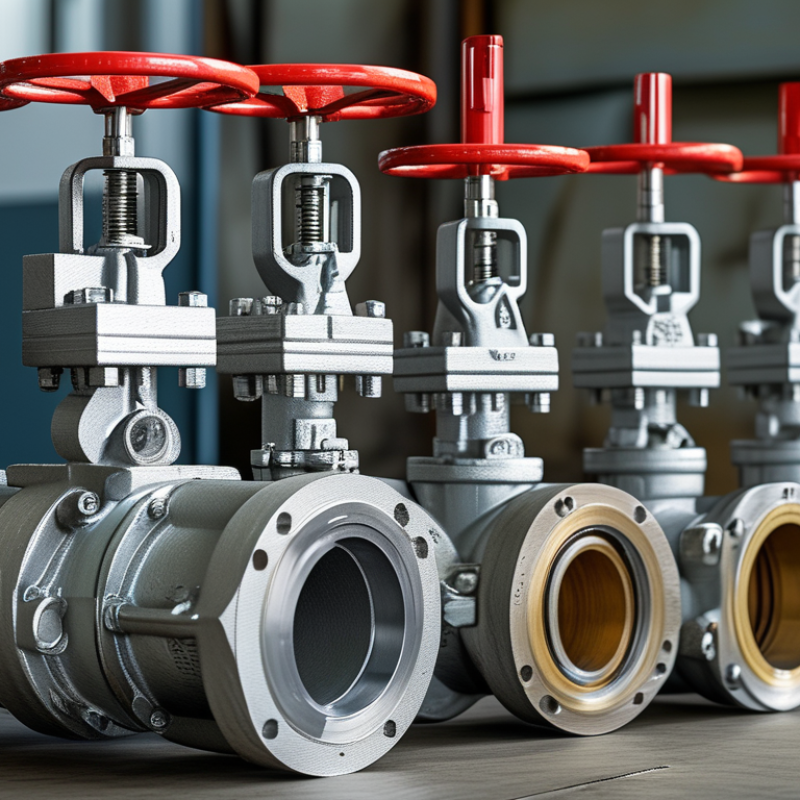
Understanding Din 3352 F4 Resilient Seated Gate Valves and Their Applications
Din 3352 F4 resilient seated gate valves are crucial for various industrial applications. These valves are designed for optimal flow control and durability. They feature a rubber seat that allows for a tight seal, minimizing the risk of leakage. This design is particularly beneficial in water supply systems and sewage treatment facilities.
When choosing a valve, consider the operating pressure and temperature. The material of the valve also plays an essential role. It’s vital to match the valve's materials with the contents of your system. This prevents corrosion and ensures longevity. Inspecting the valve's compliance with industry standards is necessary. A certified valve can assure you of reliability and safety.
Tips: Ensure proper sizing. A valve that is too large or too small can cause flow issues. Test the valve before full installation. Engaging with professionals can aid in identifying the right specifications. Always review installation guidelines to prevent common errors.
Key Factors to Consider When Selecting Din 3352 F4 Valves for Projects
When selecting DIN 3352 F4 resilient seated gate valves for a project, several key factors warrant consideration. Understanding the specific application is crucial. Valves must perform well under varying pressure and temperature conditions. The material composition is vital for durability and corrosion resistance. Recent studies indicate that valves with superior sealing mechanisms can reduce leakage by as much as 50%, significantly enhancing efficiency in fluid handling.
Tips: Evaluate your project's environmental conditions before making a choice. Choose materials that withstand your specific media type.
Another critical aspect is the valve size and flow rate capacity. Proper sizing ensures optimal performance and minimizes energy loss. A 2018 industry report highlighted that appropriately sized valves reduce operational costs by up to 20%. Always account for future system expansions when choosing valve specifications. Oversizing can lead to performance issues and increased maintenance.
Tips: Consult with industry professionals. They can provide insights based on similar projects they've completed.
Material Options and Specifications for Din 3352 F4 Resilient Seated Valves
When selecting DIN 3352 F4 resilient seated gate valves, material choices are pivotal. The valve body is often constructed from ductile iron, offering strength and durability. According to the latest industry reports, ductile iron valves can withstand high pressures and temperatures. This can enhance their longevity and reliability in challenging environments.
Additionally, the seat and seal materials significantly affect valve performance. EPDM and NBR are common elastomers used for their excellent compression set and resistance to corrosion. Data shows that EPDM performs well in hot water systems, while NBR is suitable for petroleum-based applications. This choice can greatly impact the valve's effectiveness in your specific application.
Tip: Always consider the operating temperature and fluid type when choosing materials. A mismatch may lead to premature failure.
Be aware of the valve's design. A well-designed valve will offer better sealing. However, not all designs offer the same efficiency. Research shows that valves with a higher flow rate can sometimes reduce pressure loss but may sacrifice sealing quality.
Tip: Review performance data from reliable sources before making a decision. This ensures that you select valves that meet your project's unique needs.
Installation Practices and Maintenance Tips for Din 3352 F4 Valves
When installing DIN 3352 F4 resilient seated gate valves, careful attention to detail is crucial. Proper installation can prevent leaks and ensure longevity. Follow manufacturer specifications closely. The recommended operating pressure usually ranges from 10 to 16 bar. Deviating from this can cause valve failure. Ensure that valves are aligned correctly during installation to avoid undue stress. Poor alignment can result in premature wear.
Maintenance is equally important. Regular inspections can uncover issues early on. Check for signs of wear, corrosion, or build-up. Cleaning the valve seat should be done at least every six months, depending on the environment. The average lifespan of these valves can be 15 years or more with proper care, but neglect can reduce this significantly. Reportedly, 35% of valve failures stem from inadequate maintenance practices. Always keep a maintenance log to track your efforts and schedule timely checks.
Training your team is essential. Knowledgeable staff can spot problems that others might miss. Encourage employees to attend training sessions on valve care. A well-informed team can enhance operational reliability. Remember, the cost of prevention is less than the cost of repairs. Incorporating these practices can lead to better performance and longevity for your DIN 3352 F4 valves.
How to Choose Din 3352 F4 Resilient Seated Gate Valves for Your Project? - Installation Practices and Maintenance Tips for Din 3352 F4 Valves
| Dimension |
Material |
Operating Pressure (PN) |
Temperature Range |
Installation Tips |
Maintenance Tips |
| DN 50 |
Ductile Iron |
16 |
-10 to 80 °C |
Ensure proper alignment and avoid undue stress on the body. |
Regularly inspect seals and lubricate moving parts. |
| DN 100 |
Carbon Steel |
25 |
-10 to 100 °C |
Use gaskets to prevent leaks and ensure proper seating. |
Check for corrosion and perform routine servicing every year. |
| DN 150 |
Stainless Steel |
40 |
-20 to 150 °C |
Avoid sharp bends in piping and ensure temperature tolerance. |
Inspect joints and connections regularly for signs of wear. |
Compliance and Regulatory Standards for Din 3352 F4 Gate Valves
When selecting DIN 3352 F4 resilient seated gate valves, understanding compliance and regulatory standards is crucial. These valves are used in various sectors, including water supply and wastewater management. They must meet specific requirements to ensure safety and efficiency. Compliance with standards like ISO and EN is key. Valves should be tested for pressure, durability, and functionality.
In addition to standard compliance, consider environmental impacts. Examine materials used in valve construction. Non-toxic and sustainable options are preferable. Manufacturers should provide clear certification documents. Always verify these claims to avoid potential risks. It is essential to work with suppliers who can demonstrate expertise and reliability in these standards.
When installing these valves, adherence to local regulations is important. The initial installation process often reveals oversights—like improper seating or alignment issues. These challenges highlight the importance of selecting skilled professionals for installation. Regular maintenance is equally vital for ensuring long-term compliance and performance. Understanding these factors can help avoid later complications.




 Zalo
Zalo