
+86 19720579616
+86 19720579616
Zalo
Choosing Din Bellows Sealed Globe Valves requires more than comparing prices or connection sizes. These valves protect process media from external leakage through a welded bellows barrier. That detail matters in chemical plants, pharmaceutical lines, heating systems, and vacuum service. A practical selection starts with the medium, operating temperature, pressure range, flow direction, and required shutoff performance. Small details become expensive later.
Experienced engineers also examine the valve body, bonnet, stem, seat, and bellows material. Stainless steel may suit corrosive service, while alloy options can improve resistance in harsher environments. However, material selection should follow verified compatibility data, not assumptions. Check DIN dimensions, pressure ratings, end connections, and applicable European standards. Documentation matters. Ask for pressure-test records, material certificates, welding procedures, and bellows-cycle information.
The best Din Bellows Sealed Globe Valves should match the complete operating environment. Consider frequent cycling, thermal expansion, installation space, maintenance access, and actuator requirements. A compact valve may look efficient but become difficult to service. That is often overlooked. Suppliers should explain design limits clearly and provide traceable quality records. Independent inspection can add confidence for critical applications.
There is no universal valve choice. The correct decision balances safety, durability, controllability, and total ownership cost. Sometimes, a slightly larger valve performs better because it reduces pressure loss. Sometimes, it only increases cost. This is where real operating experience matters. Review the process data carefully, question unclear specifications, and compare suppliers on evidence rather than polished claims. A thoughtful selection protects equipment, workers, and production reliability over many operating cycles.
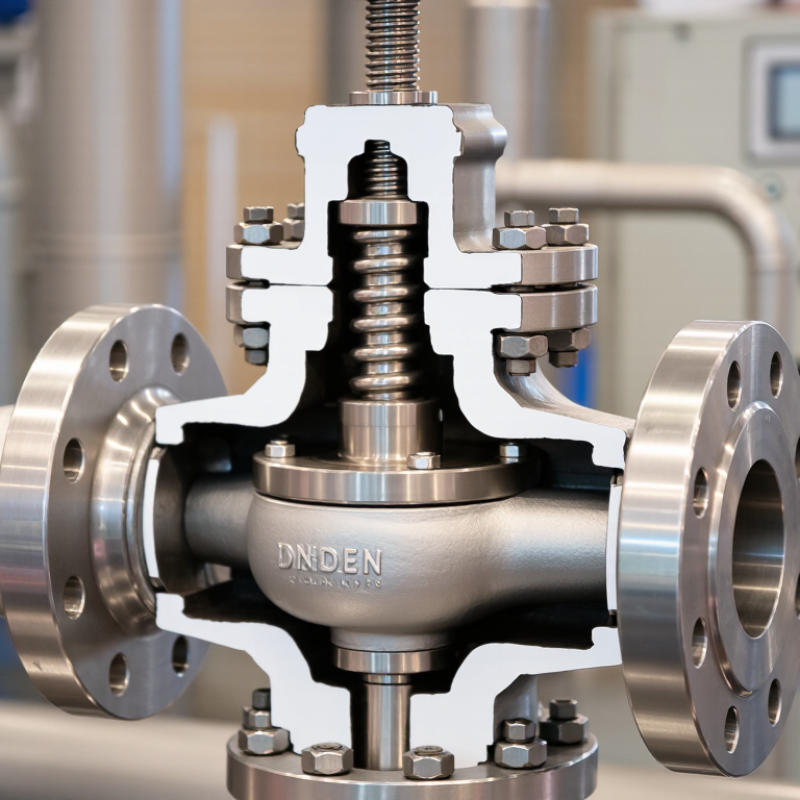
How to Choose DIN Bellows Sealed Globe Valves?
Start with the media, not the valve size. Corrosive, toxic, volatile, or high-purity fluids require compatible bellows, body, stem, and gasket materials. A bellows seal reduces fugitive emissions, but it does not make leakage impossible. The IEA Global Methane Tracker 2024 reports that roughly 75% of fossil-fuel methane emissions could be avoided with existing measures. That makes emission control a practical selection issue, not only an environmental preference.
Temperature and pressure define the service class. Under EN 12516-1, PN16 represents a 16 bar reference rating at 20°C, while PN250 represents 250 bar under the same reference condition. These values are not universal working pressures. Allowable pressure falls as temperature rises, depending on body material and design. Check the pressure-temperature table. Carefully. For cryogenic service, confirm bellows flexibility, seat material, and external insulation requirements. For hot steam, review thermal expansion and packing protection.
Choose PN16–PN40 for moderate utility duties when operating margins remain clear. PN63–PN160 may suit higher-pressure process lines. PN250 demands stronger attention to wall thickness, fatigue cycles, and test requirements. ISO 15848-1 provides fugitive-emission testing classifications, while EN 13709 addresses industrial steel globe valve requirements. A specification sheet can look convincing. Field conditions are messier. Recheck start-up pressure, cycling frequency, corrosion allowance, and pressure surges before approval.
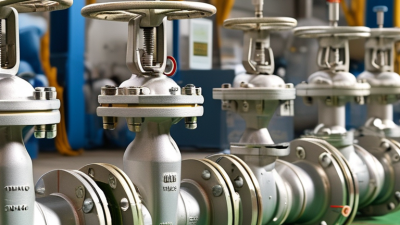
Choosing a DIN bellows sealed globe valve starts with flow, not the existing pipe diameter. Available sizes may range from DN15 to DN400, but oversized valves often operate near the seat. That reduces control accuracy and may increase seat wear.
Use the sizing method in IEC 60534-2-1 or ISA-75.01.01. For clean water, a practical estimate is Cv = Q/√ΔP, using US gallons per minute and psi. For example, 10 m³/h at a 1 bar pressure drop requires approximately Cv 11.6. Confirm the result with actual density, temperature, viscosity, and downstream pressure. Small errors matter.
Check the pressure-drop data carefully. A valve with DN50 piping may need DN40 trim if the calculated Cv supports stable control. DN400 should not be selected only because the pipeline is DN400. Lower velocity can sound attractive, but the actuator, installation space, and response may become unnecessarily large. EN 12516 pressure-temperature tables help verify pressure ratings at operating temperature, especially for PN16, PN25, or PN40 systems. ISO 15848-1 data can also support bellows sealing and fugitive-emission decisions. Test conditions differ, though. Published Cv values may use water at ambient temperature, while real steam or hot fluids behave differently. Recheck the calculation with site data. – 195 words
DIN EN 13709 should be your design checkpoint, not a decorative reference. It covers globe-valve construction, materials, pressure ratings, and functional requirements. Confirm the valve’s nominal size, pressure class, temperature range, and flow direction. Check the bellows material against the process medium. Stainless steel is common, but “stainless” alone is not enough. The grade matters.
EN 12266-1 provides the testing framework. Request documented shell, seat, and backseat tests, with defined test pressures and acceptance criteria. Do not accept a certificate that only says “tested.” The report should identify the valve, test medium, duration, temperature, and observed leakage rate. For a sealed valve, inspect the bellows weld area carefully. Small surface marks can become serious after repeated thermal cycling. Field experience suggests that paperwork is often checked more carefully than the hardware. That is not ideal.
The industrial valves market was valued at about USD 78.3 billion in 2023, according to Grand View Research’s 2024 assessment. Growing demand increases the need for traceable compliance. Ask for material certificates, pressure-test records, and calibration details. Verify that the marking matches the submitted documents. A practical weakness remains: many specifications mention DIN EN 13709 but omit the exact EN 12266-1 test procedure. Clarify it before ordering. Small omissions create expensive arguments later.
When choosing DIN bellows sealed globe valves, define fugitive-emission targets before comparing materials or pressure classes. ISO 15848-1 classifies external stem emissions through standardized helium or methane testing. Its ratings consider temperature, pressure, cycles, and leakage performance. EN 12266-1 Rate A is different. It confirms no visibly detectable leakage during specified shell or closure tests. It does not, by itself, prove low stem emissions.
That distinction matters in chemical, pharmaceutical, and energy systems. The IEA’s Global Methane Tracker 2024 estimated about 120 million tonnes of methane emissions from fossil-fuel operations in 2023. Even small valve leaks can become significant across a large plant. Ask suppliers for the exact ISO 15848-1 class, test medium, cycle count, temperature range, and measured leakage value. “Rate A” alone is too vague.
Look for a welded or properly sealed bellows, a secondary packing arrangement, and traceable test records. Confirm that the valve’s DIN dimensions, pressure rating, and trim suit the process fluid. Field experience shows that installation damage can defeat excellent factory results. This is easy to miss. I would also challenge unclear claims such as “zero emission,” because testing has limits and operating conditions vary. A practical specification should require ISO 15848-1 performance for fugitive emissions, while using EN 12266-1 Rate A for pressure-boundary tightness. Both controls are useful, but they measure different risks.
How to Choose DIN Bellows Sealed Globe Valves?
Choosing a DIN bellows sealed globe valve requires more than checking body size and pressure class. Compare the bellows material first. Stainless steel suits many clean, moderate-temperature services, while nickel-based alloys may handle aggressive media better. Material compatibility depends on concentration, temperature, and contamination risk. A familiar grade is not always the safest choice.
Layer construction also matters. Single-layer bellows can offer lower cost and easier movement. Multi-layer designs provide added protection if one layer develops a pinhole. However, more layers may increase stiffness and affect valve response. Check the manufacturer’s tested cycle life under your actual stroke, pressure, temperature, and switching frequency. A laboratory figure can mislead. Real plant cycling is usually less gentle.
Tips: Request helium leak-test results, not only a general “tightness” statement. For demanding vacuum or hazardous service, specify a leakage limit of 10⁻⁶ mbar·L/s or lower, and confirm the test method. Ask whether the value applies to the bellows, stem seal, and complete valve assembly. Inspect welded edges and verify material certificates before installation. Do not assume a longer bellows always lasts longer; alignment and excessive actuator force can shorten its life. The overlooked detail is often installation.
| Typical Service | Recommended Bellows Material | Bellows Construction | Typical Temperature Range | Typical Pressure Class | Indicative Cycle Life | Helium Leak Rate at Bellows Seal | Key Selection Considerations |
|---|---|---|---|---|---|---|---|
| General steam, hot water, and inert gas | 316L stainless steel | 2-ply formed bellows | −196 to +400 °C | PN16–PN40 | 10,000–20,000 cycles | ≤ 1 × 10⁻⁶ mbar·L/s | Cost-effective for clean, non-aggressive media. Confirm temperature, pressure, and corrosion compatibility before selection. |
| High-temperature steam and thermal cycling | 316L or high-nickel stainless alloy | 3-ply formed bellows | −196 to +550 °C | PN25–PN63 | 15,000–30,000 cycles | ≤ 1 × 10⁻⁶ mbar·L/s | Three plies reduce stress per layer and improve fatigue resistance. Thermal expansion and valve stroke must be properly matched. |
| High-purity oxygen, nitrogen, and vacuum service | Electropolished 316L stainless steel | 2- or 3-ply welded bellows | −196 to +300 °C | PN16–PN40 | 10,000–25,000 cycles | ≤ 1 × 10⁻⁶ mbar·L/s | Specify oxygen-cleaning procedures, low-residue lubricants, surface finish, and particle-control requirements. |
| Chlorides, wet halogens, and aggressive chemical media | Nickel-based corrosion-resistant alloy | 2- or 3-ply welded bellows | −100 to +400 °C | PN16–PN63 | 8,000–20,000 cycles | ≤ 1 × 10⁻⁶ mbar·L/s | Material selection must consider chloride concentration, moisture, temperature, and stress-corrosion risks. |
| High-vacuum isolation and low-outgassing systems | 316L stainless steel | All-welded 2- or 3-ply bellows | −196 to +250 °C | PN10–PN40 | 10,000–25,000 cycles | ≤ 1 × 10⁻⁹ mbar·L/s | Use vacuum-compatible cleaning, minimized trapped volumes, suitable seat materials, and helium mass-spectrometer testing. |
| Frequent operation and demanding fatigue duty | 316L or nickel-based fatigue-resistant alloy | 3- or 4-ply welded bellows | −100 to +400 °C | PN25–PN63 | 25,000–50,000 cycles | ≤ 1 × 10⁻⁶ mbar·L/s | Prioritize low forming stress, controlled stroke, guide alignment, and documented fatigue testing at the actual operating conditions. |
| Cryogenic gases and liquefied-gas systems | 316L stainless steel | 2- or 3-ply welded bellows | −196 to +150 °C | PN16–PN40 | 8,000–20,000 cycles | ≤ 1 × 10⁻⁶ mbar·L/s | Verify low-temperature ductility, thermal contraction, packing performance, seat leakage, and bonnet extension requirements. |