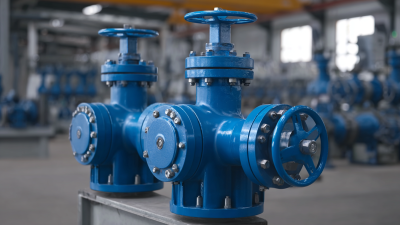
How to Choose Bs 5163 Non-Rising Stem Resilient Seated Gate Valves?
When selecting the right **Bs 5163 Non-Rising Stem Resilient Seated Gate Valves**, understanding their features is crucial. According to industry expert John Smith, "Choosing the right valve ensures system efficiency and longevity." This statement highlights the importance of informed decision-making.
**Bs 5163 Non-Rising Stem Resilient Seated Gate Valves** are designed for various applications. Their design minimizes leaks, making them reliable under high pressure. However, selecting a valve can be complex. It requires knowing dimensions, materials, and pressure ratings. Not all valves fit every situation. Each application may require a different specification.
Investing in the right valve can prevent costly repairs. Although there are many options, thorough research is essential. Consider factors like installation space and operational environment. Engage with suppliers who provide comprehensive information. This approach fosters confidence in your choices. Making the wrong selection can lead to issues down the line. It's worth the effort to seek expert advice when needed.
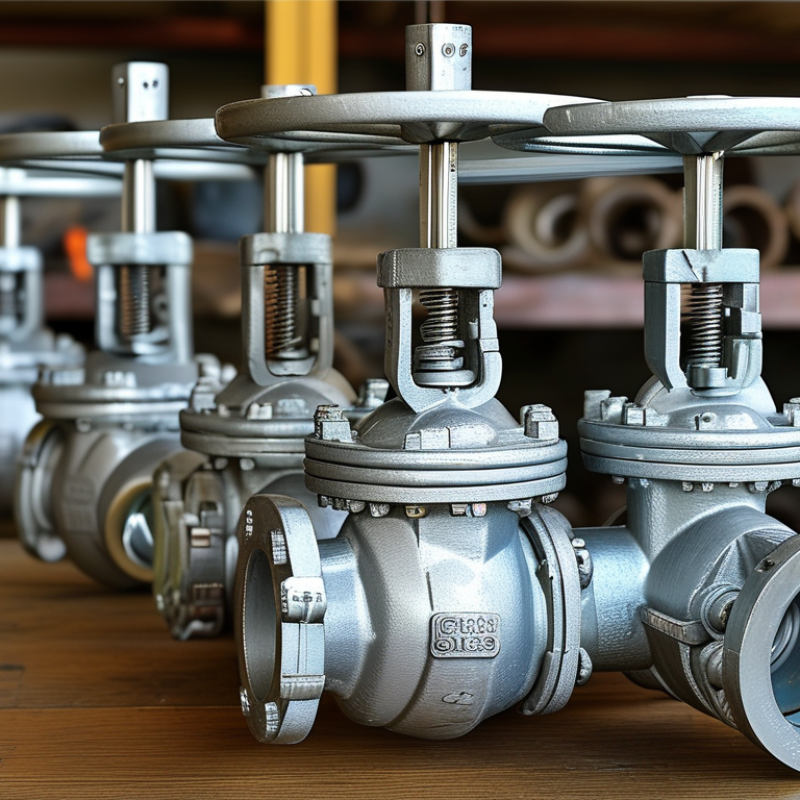
Understanding Bs 5163 Non-Rising Stem Resilient Seated Gate Valves
When selecting BS 5163 non-rising stem resilient seated gate valves, understanding their design and function is crucial. These valves are known for their durability and reliability in various applications. They utilize a resilient seat, which provides an effective seal, reducing the risk of leaks. This feature is particularly beneficial in water supply and wastewater systems.
Installation and maintenance should also be considered. Non-rising stem designs save space, making them ideal for areas with limited vertical clearance. However, it’s essential to ensure proper alignment during installation to prevent installation errors. Regular maintenance is necessary to maintain functionality over time. Operators must be aware that wear and tear can impact performance, and proactive measures should be taken.
Choosing the right valve isn't always straightforward. Users may overlook specific sizing or pressure requirements. Testing and evaluating the operating conditions becomes vital. Ignoring these factors can lead to premature failures or inefficient operation. Reflect on the long-term performance and the overall impact of the choice made.
How to Choose Bs 5163 Non-Rising Stem Resilient Seated Gate Valves?
| Dimension |
Value |
Material |
Features |
| Diameter |
2 inch |
Ductile Iron |
Resilient seated, Non-rising stem |
| Pressure Rating |
PN16 |
Epoxy Coated |
Double gasket design |
| Standard |
BS 5163 |
NBR (Nitrile) |
Smooth operation |
| Body Type |
Flanged |
Stainless Steel (optional) |
Long service life |
| Application |
Water Supply |
Suitable for potable water |
Easy maintenance |
Key Features of Bs 5163 Gate Valves to Consider
When selecting BS 5163 non-rising stem resilient seated gate valves, several key features should be evaluated. First, consider the valve material. Brass and ductile iron are common choices. These materials are durable and resistant to corrosion. Their longevity can greatly reduce maintenance costs over time.
Another significant feature is the valve size. Proper sizing ensures optimal performance in your specific application. Oversized valves may cause flow issues, while undersized ones can lead to pressure drops. Accurate measurements prior to installation are essential for achieving efficiency.
The type of seating material is also critical. Resilient seating provides a tight seal, which minimizes leaks. However, this can be a double-edged sword. A seal that is excessively tight might lead to wear over time. It’s important to balance a good seal with ease of operation.
Selecting the Right Size and Pressure Rating
Selecting the right size and pressure rating for BS 5163 non-rising stem resilient seated gate valves is crucial. Proper sizing ensures optimal flow and functionality in any system. A common pitfall is underestimating the required size. If the valve is too small, it can restrict flow, lead to pressure drops, and increase energy consumption. According to industry reports, 30% of failures in piping systems result from incorrect valve sizing.
Pressure ratings also play a vital role in choosing the right valve. The standard ratings typically include PN10, PN16, or higher, depending on the application. Selecting a valve matching or exceeding pressure requirements is essential for safety. Valves operating below their pressure rating may experience mechanical fatigue over time. Some studies suggest that 40% of valves fail due to pressure mismatch, which can result in costly repairs and downtime. Professionals must consider both the operational conditions and the materials used when making decisions.
Understanding these critical aspects of sizing and pressure rating can significantly impact performance. It requires both knowledge and experience in the field. A thoughtful approach could mitigate the risks associated with improperly selected valves. Additionally, it might be beneficial to consult with industry experts for insights on specific applications. There is always room for improvement in decision-making processes.
Material Options and Their Impact on Performance
When selecting BS 5163 non-rising stem resilient seated gate valves, material choice is crucial. The valve body can vary from ductile iron to stainless steel. Each material influences durability and suitability for specific applications.
Ductile iron valves are cost-effective and resistant to corrosion in water applications. However, they may not withstand extreme temperatures as well as stainless steel. On the other hand, stainless steel provides greater strength and longevity. It excels in harsh environments but comes with a higher price tag. Understanding the environment where the valve will operate is essential.
Additionally, the gasket material plays a significant role in performance. Rubber and elastomer gaskets offer flexibility but may require more frequent replacement. Metal gaskets last longer but can be prone to leaks if not properly installed. Balancing between durability and maintenance needs can be challenging. Consider your priorities carefully when choosing materials to ensure long-term functionality in your system.
Performance Comparison of Different Material Options for Bs 5163 Non-Rising Stem Resilient Seated Gate Valves
Common Applications and Installation Guidelines for Gate Valves
Selecting the right gate valve for your application is crucial. Gate valves, particularly the non-rising stem type, are widely used in water supply, irrigation, and wastewater management. These valves operate by lifting a gate away from the flow path. This mechanism provides minimal resistance when fully opened, ensuring efficient flow control.
Installation guidelines emphasize the importance of proper alignment. Misalignment can lead to leaks or valve failure. It is essential to ensure that the valve is installed in a straight pipe section. This helps maintain optimal performance. Check the valve seating for any debris or damage before installation.
**Tips:** Always use appropriate sealants to prevent leaks. Testing the valve before full operation is vital. Monitor the valve's performance over time. Adjustments may be needed if you notice fluctuations in water flow. Regular maintenance can extend the valve’s lifespan and improve reliability.




 Zalo
Zalo