How to Choose API Bellows Sealed Globe Valves?
Choosing Api Bellows Sealed Globe Valves requires more than comparing pressure ratings and purchase prices. The correct valve must protect the process, the operators, and the surrounding environment. It should also perform reliably during repeated starts, stops, temperature changes, and maintenance cycles. A small leak at the stem may become a serious operational problem. That detail matters.
According to James R. Chinn, a senior process-valve engineering consultant, “A bellows seal is valuable only when its design matches the service conditions.” This practical observation guides the selection process. Buyers should examine media type, operating temperature, pressure, flow direction, valve size, body material, and end connections. They should also check bellows construction, cycle life, seat design, testing procedures, and applicable API requirements. Stainless steel may suit corrosive service, while alloy materials can provide better resistance in demanding applications. The specification must explain why.
Experience in refinery, chemical, and power applications shows that documentation is as important as hardware. Request material certificates, pressure-test records, fugitive-emission data, and maintenance instructions. Ask how the manufacturer validates bellows fatigue. Ask again when the answer sounds vague. A lower initial price can hide difficult installation, short service life, or expensive shutdowns.
This guide explains how to choose Api Bellows Sealed Globe Valves with a balanced engineering approach. It considers safety, reliability, lifecycle cost, and practical maintenance. No selection method is perfect. Real operating data can be incomplete, and assumptions sometimes fail. Careful review, supplier verification, and field experience remain essential before approving the final valve specification.
Define Fluid Service, Temperature Range, and Emission-Control Requirements
Choosing an API bellows sealed globe valve starts with the fluid, not the pipe size. Identify whether the service is steam, hot oil, oxygen-rich gas, corrosive liquid, or a toxic process fluid. Each service affects the required body, trim, gasket, and bellows materials. Record pressure, flow direction, contamination risk, and cleaning method. A clean specification can still hide a serious mismatch. I have seen teams select valves by temperature alone, then discover chloride attack on wetted parts.
Map the full temperature range, including startup, shutdown, tracing, and upset conditions. Do not use normal operating temperature as the design limit. Thermal cycling can fatigue the bellows and weaken assumptions about gaskets and packing. Check the pressure-temperature rating for the actual material and flange class. Confirm that the actuator and nearby instruments can tolerate radiant heat. Leave a practical margin. The correct margin depends on the process, not habit.
Emission control requires more than a sealed bonnet on paper. Request documented bellows cycle testing, stem leakage data, and inspection procedures. Define expected operating cycles and acceptance criteria before procurement. For hazardous or valuable fluids, consider double containment, monitoring ports, and a maintenance plan that limits unnecessary opening. Field installation matters. Misaligned piping can load the body and shorten bellows life. One imperfect detail deserves attention: cycle estimates are often guessed. Use historian data when available, and review the selection with operations and maintenance staff before approval.
Match ASME B16.34 Pressure Classes 150–2500 to Operating Conditions
How to Choose API Bellows Sealed Globe Valves?
ASME B16.34 pressure classes 150–2500 must match pressure, temperature, and process behavior. Class 150 may suit moderate-pressure utility lines with stable temperatures. Class 300 or 600 often fits steam, condensate, and general process services. Higher classes, such as 900, 1500, and 2500, support demanding pressure conditions when temperature and material limits allow.
Do not treat the class number as a direct pressure value. It is a pressure-temperature rating, and allowable pressure changes with valve materials. Check the applicable ASME tables, body material, trim, and end connection requirements. A hot hydrocarbon line can reduce the permitted pressure significantly. That detail is easy to miss.
Bellows sealing protects the stem area from external leakage, but the bellows still experiences fatigue. Frequent cycling, vibration, and thermal shock require careful review. Match the valve class to the design pressure, maximum temperature, startup conditions, and shutoff duty. A Class 2500 valve is not automatically the safest choice. It may increase cost, weight, and actuator requirements without improving service life. Field conditions are often less stable than design sheets suggest. Review real operating trends before final selection.
How to Choose API Bellows Sealed Globe Valves?
Matching ASME B16.34 pressure classes to operating conditions. The chart shows pressure-temperature ratings at 100°F (38°C) for ASTM A216 WCB carbon steel, expressed in psig.
Select a pressure class whose applicable pressure-temperature rating exceeds the system design pressure at the actual operating temperature. The values shown are reference ratings from ASME B16.34 pressure-temperature tables for A216 WCB at 100°F; actual ratings depend on material group, temperature, body design, trim, end connection, and applicable valve standards. Always verify the manufacturer’s certified rating before selection.
Verify API 623 Design Compliance and API 598 Pressure-Test Results
How to Choose API Bellows Sealed Globe Valves?
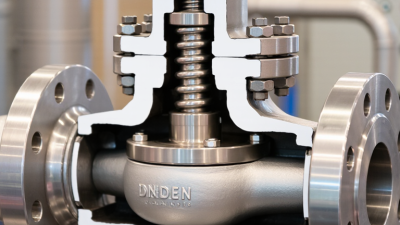
A reliable selection starts with API 623 design compliance, not appearance. Check the valve’s size, pressure class, materials, and bellows construction against the project specification. The stem, bonnet, and welded bellows should support repeated operation without exposing the process medium. Ask for design calculations, material certificates, and inspection records. In practice, a polished datasheet is not enough.
API 598 pressure-test results deserve close attention. Request the actual report, not only a compliance statement. Confirm the valve identification, test medium, test pressure, holding time, and calibrated gauge details. Review shell and seat test results separately. The report should show acceptance criteria and recorded leakage values. A valve can pass a shell test yet fail its seat test. That distinction matters. I have seen documents that looked complete but lacked clear traceability. That is a weakness worth challenging.
Tips: Match the serial number on the test report with the nameplate. Check whether the test date fits the production record. Ask how bellows integrity was verified. Do not assume a passing pressure test proves long-term fatigue resistance. Installation quality also matters, and this is often overlooked. Keep every document for future audits.
Compare Bellows Materials, Layers, and 10,000-Cycle Life Ratings
Choosing an API bellows sealed globe valve starts with the bellows, not the handwheel. The U.S. EPA’s Protocol for Equipment Leak Emission Estimates identifies valves as roughly 60% of fugitive-emission sources in many refinery inventories. Material selection therefore deserves practical attention.
For clean steam and moderate chemicals, 316L stainless steel is common and economical. Chlorides, high temperatures, or aggressive process fluids may require nickel-based alloys. Bellows layers also matter. Multi-ply construction can lower bending stress and improve fatigue resistance, but extra layers increase stiffness and may reduce flexibility. More layers are not automatically safer. That assumption needs questioning.
A 10,000-cycle rating should include test conditions. Ask for stroke length, pressure, temperature, fluid, cycle speed, and the failure criterion. “10,000 cycles” alone is incomplete. EJMA fatigue guidance treats bellows life as a calculated result, while ISO 15848-1 evaluates fugitive emissions through defined testing procedures. Neither standard should be interpreted as a universal 10,000-cycle guarantee. API 623 supports globe-valve design requirements, but it does not replace project-specific endurance evidence. I would request a test report showing leakage before and after cycling. A polished datasheet can still hide weak assumptions. During procurement, compare bellows material certificates, weld quality records, layer geometry, and independent test data. That comparison is slower, but it exposes the real difference between a durable valve and a confident claim.




 Zalo
Zalo