+86 19720579616
+86 19720579616
Zalo
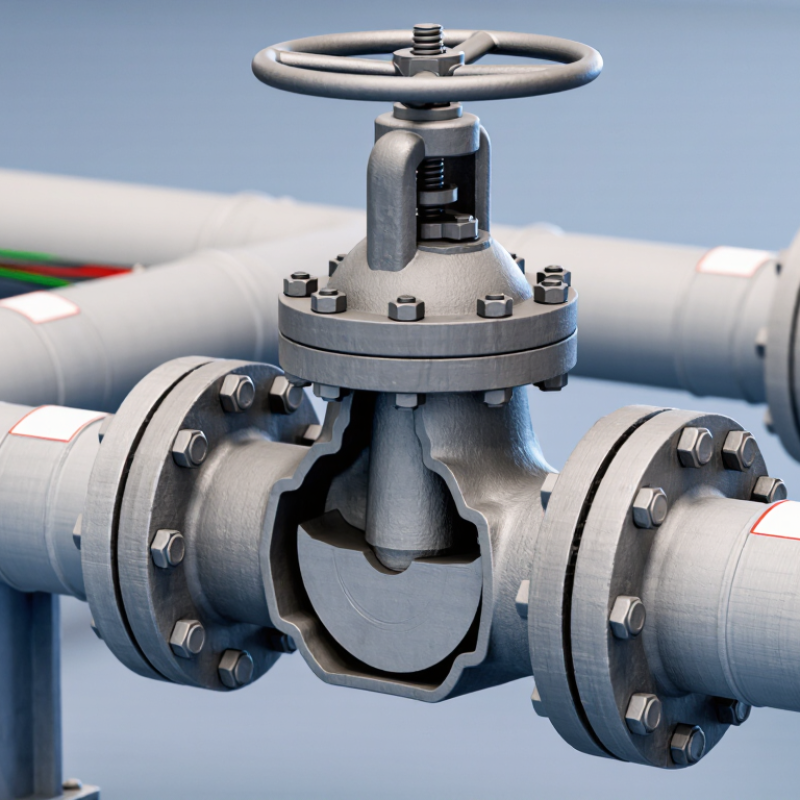
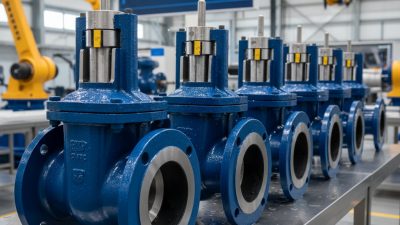
A forged steel gate valve controls flow by lifting or lowering a gate inside the valve body. Unlike a globe valve, it is generally selected for fully open or fully closed service. Forged Steel Gate Valves are made from heated steel billets shaped under controlled pressure. This process can produce a compact body with strong pressure-retaining characteristics. Built for demanding service.
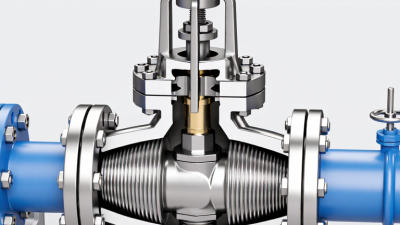
Their typical construction includes a forged body, bonnet, stem, wedge, seats, and sealing elements. When the gate rises, the flow path becomes nearly unobstructed. This design can reduce pressure loss in pipelines carrying steam, oil, gas, or water. However, gate valves are not usually ideal for throttling. Partial opening may increase vibration, erosion, and seat damage. That detail is easy to overlook.
A reliable selection process examines pressure class, temperature, media, connection type, and operating frequency. Engineers may review API 602, ASME B16.34, and applicable project specifications. Material certificates, dimensional checks, pressure tests, and traceable inspection records also matter. In practical maintenance work, a valve that fits the line may still fail if its trim is incompatible with the process fluid. Small errors become expensive leaks.
This guide explains what forged steel gate valves are, how they are manufactured, and where they perform best. It also considers their limitations, maintenance needs, and selection criteria. No valve is universally superior. Good engineering depends on matching the valve to actual service conditions, not simply choosing the strongest-looking design.
A forged steel gate valve is a compact isolation valve made from forged steel rather than cast material. API 602 defines this valve category for demanding, small-bore service. Its usual nominal pipe size range is NPS 1/4 through NPS 2.
That range matters. These valves fit instrument connections, utility lines, and high-pressure process piping. The pressure classes extend from Class 150 to Class 2500. However, Class 2500 does not mean 2,500 psi at every temperature. ASME B16.34 pressure-temperature tables must be checked for the material and service conditions. This detail is often missed.
Forging can provide a dense body with fewer internal discontinuities. Experienced inspectors still examine welds, threads, packing areas, and sealing surfaces carefully. API 598 testing practices commonly support shell and seat pressure testing before shipment. Actual test pressure and duration depend on the applicable standard and valve design.
A gate valve is designed for full opening or full closing. It is not a good throttling device. Partial opening may damage the gate and seats through turbulence. The smaller NPS sizes are convenient, but their passages can restrict flow more than expected. I would verify the bore, end connection, temperature rating, and actuator clearance before selection. Standards guide the decision, yet field conditions often expose the assumptions.
What Is a Forged Steel Gate Valve?
A forged steel gate valve uses a solid metal billet shaped under controlled heat and pressure. This process improves structural density and reduces internal porosity. The valve opens or stops flow with a rising or non-rising gate. In field inspections, body thickness and stem alignment often reveal manufacturing quality. Forging is not automatically perfect. Poor heating or careless machining can still create serious weaknesses.
Material selection depends on temperature, pressure, corrosion, and fluid chemistry. ASTM A105 is common for carbon steel service and moderate operating conditions. ASTM A182 F22 contains chromium and molybdenum, offering better strength at elevated temperatures. It normally requires controlled heat treatment. F304 stainless steel provides useful resistance against many corrosive environments. F316 adds molybdenum, improving resistance to chlorides and pitting. However, neither grade suits every chemical service. Solution annealing, hardness checks, positive material identification, and pressure testing should support the material certificate. A certificate alone is not enough.
Tips: Match the grade with the process fluid, not just the design pressure. Check forging records, heat-treatment data, and inspection reports. Pay special attention to F22 weld repairs and stainless-steel surface contamination. Small details matter. When selecting a valve, confirm temperature limits, end connections, trim materials, and applicable design standards. Mistakes often begin with an incomplete service description.
| Data Dimension | Forged Steel Gate Valve | ASTM A105 | ASTM A182 F22 | ASTM A182 F304 | ASTM A182 F316 |
|---|---|---|---|---|---|
| Valve Definition and Construction | |||||
| Basic definition | A pressure-containing valve manufactured from forged steel components and designed to start or stop flow by moving a gate vertically across the flow path. | Common carbon-steel forging material for general industrial service. | Low-alloy chromium-molybdenum forging material for elevated-temperature and high-pressure service. | Austenitic stainless-steel forging material for general corrosion-resistant service. | Austenitic molybdenum-bearing stainless-steel forging material for improved resistance to chlorides and pitting. |
| Typical forged components | Body, bonnet, wedge or gate, stem, and pressure-retaining end connections may be forged, depending on the valve design. | Body, bonnet, and other carbon-steel pressure parts. | Body, bonnet, and other alloy-steel pressure parts exposed to heat and pressure. | Body, bonnet, stem, or trim components requiring stainless-steel corrosion resistance. | Body, bonnet, stem, or trim components for more demanding chloride-containing environments. |
| Flow-control function | Primarily an on/off isolation valve. It is not normally recommended for continuous throttling because partial opening can cause seat and gate erosion. | Material selection affects pressure, temperature, strength, and corrosion capability; valve geometry and trim selection also determine final performance. | |||
| Common end connections | Socket-weld and threaded ends are common in smaller forged valves; butt-weld and flanged configurations are also available depending on design standards. | The material specification does not define the complete valve end-connection design. End dimensions and ratings must be selected according to the applicable valve and piping standards. | |||
| Forging Process | |||||
| 1. Material preparation | Steel billet, bar, or equivalent starting stock is selected according to the required chemical composition, product form, and heat-treatment requirements. | ||||
| 2. Heating | The workpiece is heated to a controlled forging temperature suitable for the selected alloy. Excessive heating can increase oxidation, grain growth, or decarburization. | ||||
| 3. Die or press forging | Compressive force from a press, hammer, or closed-die system reshapes the heated metal. Plastic deformation helps produce directional grain flow and a compact pressure-containing structure. | ||||
| 4. Trimming and sizing | Flash and excess material are removed, followed by sizing or calibration to achieve the required dimensions and machining allowance. | ||||
| 5. Heat treatment | Heat treatment is performed according to the material specification. Depending on the alloy, this may include normalizing and tempering, solution annealing, or other specified treatments. | ||||
| 6. Machining and inspection | Sealing surfaces, bores, threads, weld ends, and mating surfaces are machined. Inspection may include dimensional checks, chemical analysis, tensile testing, hardness testing, and nondestructive examination when specified. | ||||
| Chemical Composition and Material Characteristics | |||||
| Carbon content, maximum | Depends on the selected material. | 0.35% | 0.15% | 0.08% for standard F304; low-carbon variants may be specified separately. | 0.08% for standard F316; low-carbon variants may be specified separately. |
| Chromium content | Not applicable to all forged valve materials. | Not intentionally specified as a principal alloying element. | Approximately 2.00–2.50% | Approximately 18.00–20.00% | Approximately 16.00–18.00% |
| Nickel content | Not applicable to all forged valve materials. | Not intentionally specified as a principal alloying element. | Approximately 0.90% maximum | Approximately 8.00–11.00% | Approximately 10.00–14.00% |
| Molybdenum content | Not applicable to all forged valve materials. | Not intentionally specified as a principal alloying element. | Approximately 0.90–1.20% | Normally not a principal alloying addition | Approximately 2.00–3.00% |
| General corrosion resistance | Limited compared with stainless steel; suitable corrosion protection and compatible process conditions are important. | Low to moderate; commonly used for non-corrosive or controlled environments. | Low to moderate at ambient conditions; selected primarily for strength and elevated-temperature capability. | Good resistance to many atmospheric, organic, and mildly corrosive environments. | Very good resistance to many chloride-containing and pitting-prone environments compared with F304. |
| Mechanical Properties and Service Selection | |||||
| Minimum tensile strength | Depends on the material grade and applicable specification. | 485 MPa | 415 MPa for commonly specified Class 1 requirements | 515 MPa | 515 MPa |
| Minimum yield strength | Depends on the material grade, class, and heat treatment. | 250 MPa | 205 MPa for commonly specified Class 1 requirements | 205 MPa | 205 MPa |
| Typical heat-treatment approach | Material-specific. | Normalizing, or normalizing and tempering, when required by the specification or purchase requirements. | Normalizing and tempering are typically used to develop the required strength and toughness. | Solution annealing followed by rapid cooling is commonly used to restore the austenitic structure. | Solution annealing followed by rapid cooling is commonly used; the selected condition should minimize harmful precipitation. |
| Main selection advantage | Compact forged construction with high strength-to-size potential and good suitability for small-bore, high-pressure valve designs. | Cost-effective strength for general-purpose pressure service. | Improved elevated-temperature strength and creep resistance compared with plain carbon steel. | Broad general-purpose stainless-steel corrosion resistance and good fabricability. | Improved pitting and chloride resistance compared with F304 due to molybdenum addition. |
| Typical applications | Process isolation, utility systems, oil and gas piping, power-generation systems, chemical facilities, and high-pressure instrument or small-bore piping. | Water, steam, air, hydrocarbons, and general non-corrosive process lines. | Boiler, steam, refinery, petrochemical, and high-temperature process systems. | Food, pharmaceutical, chemical, water, and general process systems where moderate corrosion resistance is required. | Marine, chemical, coastal, brine, and process systems where chloride exposure or localized corrosion is a concern. |
| Important Engineering Considerations | |||||
| Pressure and temperature rating | The final rating is determined by the complete valve design, pressure class, wall thickness, end connection, temperature, applicable standards, and material condition. Material tensile values alone do not establish a valve pressure rating. | ||||
| Welding considerations | A105 and F22 generally require welding procedures appropriate to carbon or low-alloy steels, including control of preheat, interpass temperature, and post-weld heat treatment where required. Austenitic stainless steels require procedures that control distortion, contamination, and sensitization risk. | ||||
| Material verification | Mill certificates, heat numbers, chemical analysis, mechanical testing, heat-treatment records, and any specified nondestructive examination should be reviewed against the purchase specification and applicable ASTM requirements. | ||||

| Data note: Chemical composition and mechanical-property values shown above are representative specification values or commonly used limits. Exact requirements can vary by ASTM edition, material class, product size, heat treatment, supplementary requirements, and the governing valve standard. Final material selection should be confirmed against the actual pressure, temperature, corrosion, and code requirements of the service. | |||||
What Is a Forged Steel Gate Valve?
A forged steel gate valve uses a solid metal body formed under heat and pressure. This process improves grain structure and supports demanding pressure service. API 602 covers compact forged steel gate valves for industrial piping. ASME B16.34 defines pressure-temperature ratings, materials, and testing requirements. These standards guide engineering decisions, but field conditions still matter.
The wedge gate moves vertically between two seats. Turning the handwheel drives the stem through the bonnet. A rising stem shows valve position clearly. A non-rising stem saves space, though inspection becomes less direct. The bonnet contains the stem packing and connects to the body. Bolted bonnets simplify maintenance. Welded bonnets reduce external leakage paths, but repairs become more difficult.
Seat design controls sealing performance. Metal seats tolerate heat, abrasion, and harsh fluids. Resilient seats can seal tightly at lower pressures, but temperature limits require careful review. Parallel and flexible wedges respond differently to thermal expansion. A flexible wedge usually handles pipeline temperature changes better. Still, it is not perfect. Misalignment can create uneven wear.
The International Energy Agency reported that industry used about 37% of global final energy in 2022. Reliable isolation valves therefore support safer, more efficient industrial systems. A gate valve should remain fully open or fully closed. Throttling can damage the wedge and seats. Field technicians often check stem travel, packing compression, and seat leakage during maintenance. Small details matter. Forged construction helps, but installation quality remains a common weakness.
A forged steel gate valve uses a pressure-formed body with a straight-through flow path. Its pressure and temperature limits must be read from ASME B16.34, not guessed from the body material alone. The applicable pressure class, material group, and operating temperature work together. As temperature rises, the allowable pressure usually falls. A Class 600 valve is not automatically rated for 600 psi at every temperature. That assumption causes costly selection errors.
ASME B16.34 also addresses wall thickness, end connections, body materials, and marking requirements. Engineers should verify the exact material specification and rating table before approving a valve. The nameplate is useful, but it is not the whole design record. Forged construction may provide a compact, robust pressure boundary, yet it does not remove the need for correct sizing and thermal evaluation. Small details matter.
API 598 focuses on inspection and pressure testing. A forged steel gate valve is commonly checked through shell and closure tests, with test pressures, durations, and leakage limits defined by the standard. These tests help reveal casting-free body defects, damaged seating surfaces, or poor assembly. However, API 598 testing does not replace the ASME pressure-temperature rating. It verifies manufacturing performance under controlled conditions. Field service can be harsher. Frequent cycling, abrasive media, or rapid temperature changes may expose weaknesses that a short factory test cannot show. That limitation deserves honest attention.
A forged steel gate valve uses a solid steel body formed under pressure and heat. This process can produce dense metal with strong resistance to pressure and impact. In process piping, the valve typically provides straight-through flow when fully open. It also creates low pressure loss across the line. Not for frequent throttling.
These valves suit steam, oil, gas, water, and high-pressure utility services. They often appear near boilers, separators, pumps, and pressure vessels. A rising stem gives operators visible position feedback. A flexible wedge can improve sealing when temperature changes affect the pipe. In practical maintenance reviews, damaged seats often result from forcing a partly open valve. That detail is easy to overlook. Gate valves should normally operate fully open or fully closed.
Selection requires more than matching pipe size. Check the design pressure, operating temperature, fluid chemistry, and required shutoff performance. Body and trim materials must resist corrosion, erosion, and thermal cycling. End connections should match the piping method, such as flanged or welded installation. Consider handwheel access, actuator torque, installation space, and maintenance clearance. For hazardous or critical services, review applicable pressure, fire-safety, and fugitive-emission requirements. A higher pressure rating is not automatically the better choice. It may increase cost, weight, and operating effort without improving the actual service. Verify the valve’s test records, material certificates, and inspection requirements before approval.