How to Choose the Best Din Gate Valves for Your Needs?
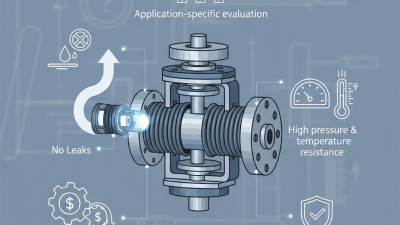
Choosing the right Din Gate Valves is essential for effective fluid control in various applications. These valves play a vital role in industries such as oil and gas, water treatment, and manufacturing. Understanding your specific needs is crucial in making the right choice.
When evaluating Din Gate Valves, consider factors like size, pressure rating, and material. Each specification impacts performance. The wrong choice can lead to leaks or failures. It's also important to think about the environment where the valve will be used. High temperatures or corrosive substances require specialized materials.
Many people overlook the importance of quality and certification. Reliable suppliers provide valves that meet international standards. Always check for product reviews and testimonials. While personal experience can guide your decision, relying solely on it may lead to mistakes. Engage with professionals or consult industry experts for additional insights. By taking these steps, you can ensure that your selection of Din Gate Valves meets your operational requirements effectively.
Understanding the Functionality of DIN Gate Valves
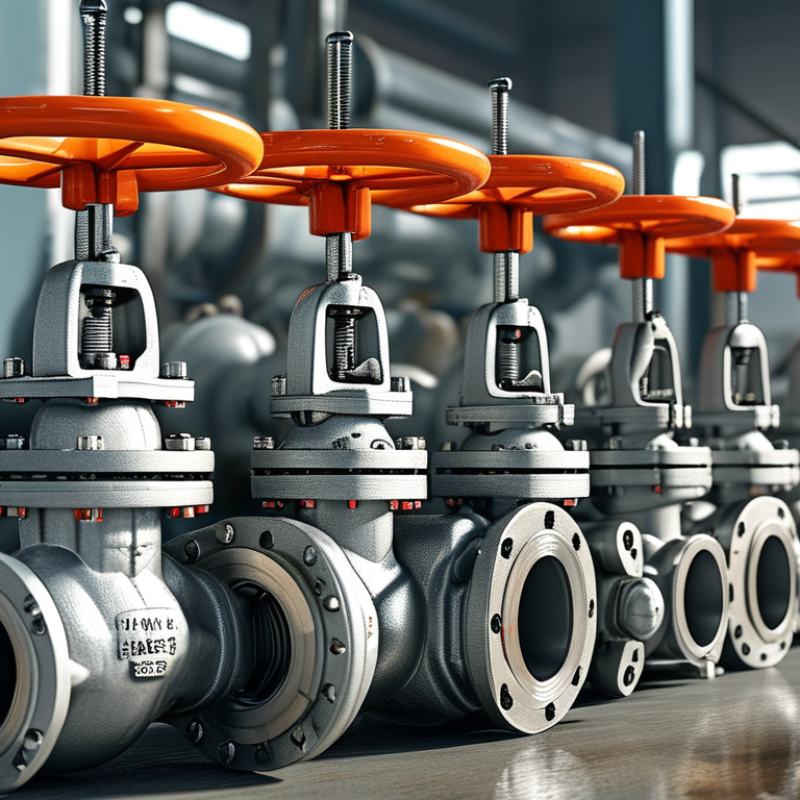
DIN gate valves play a crucial role in many industrial applications. They are designed to operate in a fully opened or closed position, creating a tight seal. This functionality is essential for controlling the flow of fluids in piping systems. According to a report by the International Organization for Standardization (ISO), the correct selection of valves can enhance system efficiency by up to 30%.
The design and materials used in DIN gate valves significantly affect their performance and longevity. Commonly constructed from stainless steel or cast iron, these valves can withstand high pressures and extreme temperatures. Maintenance reports indicate that improperly selected gate valves can lead to increased downtime and repair costs, underscoring the importance of understanding valve functionality and specifications.
When choosing the best DIN gate valve, consider factors such as pressure rating, size, and application. A study conducted by the American Society of Mechanical Engineers (ASME) emphasizes that improper valve selection accounts for nearly 15% of operational failures. Balancing efficiency and reliability in valve choice requires careful evaluation and expert recommendations. This knowledge is vital in avoiding unforeseen complications in industrial operations.
How to Choose the Best Din Gate Valves for Your Needs? - Understanding the Functionality of DIN Gate Valves
| Type of DIN Gate Valve |
Material |
Nominal Size |
Pressure Rating (PN) |
Temperature Range |
Applications |
| Wedge Gate Valve |
Cast Iron |
DN 50 |
PN 16 |
-10°C to 80°C |
Water Supply |
| Parallel Slide Gate Valve |
Stainless Steel |
DN 100 |
PN 25 |
-20°C to 200°C |
Oil & Gas |
| Knife Gate Valve |
Carbon Steel |
DN 150 |
PN 40 |
-15°C to 120°C |
Slurry Handling |
| Swing Gate Valve |
Ductile Iron |
DN 200 |
PN 10 |
-20°C to 70°C |
Water Distribution |
Key Factors to Consider When Selecting DIN Gate Valves
When selecting DIN gate valves, several key factors demand attention. First, consider the materials of construction. Common materials include cast iron, carbon steel, and stainless steel. Each material has unique properties that affect durability and performance. For instance, stainless steel valves often withstand corrosion better, making them ideal for harsh environments. Reports indicate that industries requiring high reliability prefer stainless steel over others by a notable margin.
Another vital aspect is the valve's size and pressure rating. DIN gate valves come in various sizes, with pressure ratings ranging from PN6 to PN40. Larger, higher-rated valves can handle increased flow and pressure. However, it's crucial to match the valve to your system's specifications. Misalignment can lead to inefficient operations and increased maintenance costs. Data shows that approximately 30% of valve failures stem from improper sizing.
Additionally, testing and certifications must not be overlooked. Ensure that the selected valves meet relevant industry standards. Many valves undergo rigorous testing for quality assurance. Verifying certifications can help eliminate potential failures. Choosing a valve without adequate certification may lead to unexpected downtime. This can prove costly and frustrating. Always prioritize reliability, as even minor issues with a valve can escalate quickly.
Comparison of Key Factors in DIN Gate Valves Selection
Different Types of DIN Gate Valves and Their Applications
When it comes to DIN gate valves, understanding the different types is crucial. These valves come in various designs and materials, suited for specific applications. For instance, cast iron valves are excellent for water and sewage. They provide durability and resistance to corrosion. Stainless steel valves, on the other hand, are ideal for chemical and high-pressure applications. Their ability to withstand harsh environments makes them a reliable choice.
Another category is the brass gate valves, known for their excellent sealing properties. They are often used in plumbing systems. However, these can be prone to corrosion in aggressive conditions. Additionally, plastic gate valves offer lightweight solutions for low-pressure systems. They resist chemicals well but may lack strength under high pressure.
Choosing the right valve requires careful consideration. Factors like pressure ratings, temperature range, and fluid type play significant roles. It's essential to evaluate your specific requirements before making a decision. The wrong choice can lead to leaks or system failures, impacting efficiency. Always examine the application and consult experts if needed. Balancing cost with reliability is key to a successful selection.
Material Options: Choosing the Right Composition for DIN Gate Valves
When selecting the right material for DIN gate valves, several factors come into play. The choice of material affects durability, corrosion resistance, and performance under various conditions. Common options include cast iron, stainless steel, and brass. Each material has its strengths and weaknesses. For instance, stainless steel offers excellent resistance to rust and high temperatures but may be more costly than cast iron.
Consider the operating environment when making your choice. If the valve will be exposed to corrosive substances, stainless steel is often preferred. In contrast, cast iron is suitable for low-pressure systems but can corrode over time. The physical properties of these materials also differ significantly. Cast iron is heavier, while brass is lighter, which can be a consideration for installation.
Another point to reflect on is compatibility. Not all materials work well with every fluid. It's essential to examine the type of media flowing through the valve. This ensures that material degradation does not occur. In some cases, a compromise on material choice may be necessary, leading to potential challenges down the line. Always weigh the pros and cons of the different compositions to find the best fit for your specific needs.
Maintenance Tips for Ensuring Longevity of DIN Gate Valves
Proper maintenance of DIN gate valves is essential for their longevity and performance. Regular inspection can prevent costly downtime. According to industry reports, over 70% of valve failures result from inadequate maintenance practices. Cleaning and lubricating valve components protect against corrosion and wear. Look for signs of leakage or rust on the valve body. Addressing these issues early can extend the service life significantly.
Another key aspect of maintenance involves monitoring operating conditions. Operating within the recommended pressure and temperature ranges is critical. Exceeding limits can lead to premature wear. A study by the Valve Manufacturers Association (VMA) indicates that valves operated under optimal conditions can last up to 30% longer than those that are not. Documenting maintenance activities also aids in tracking performance and identifying recurring issues.
Finally, replace worn components promptly. Waiting too long can lead to failures that disrupt operations. Regular training for staff on valve handling and maintenance practices enhances reliability. Fostering a culture of proactive maintenance will lead to better performance of DIN gate valves over time.




 Zalo
Zalo