2026 Best Din 3352 F4 Resilient Seated Gate Valves Guide?
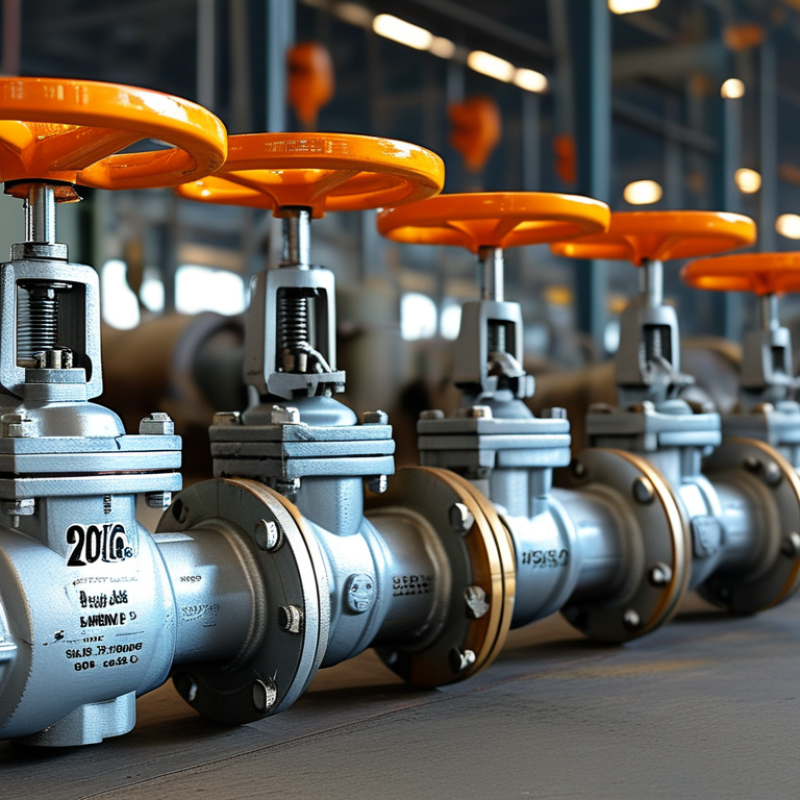
In the world of industrial valves, the Din 3352 F4 Resilient Seated Gate Valves stand out for their reliability and effectiveness. These valves are widely used in various applications, from water supply to industrial processes. Their design enhances sealing and minimizes leakage, which is crucial for maintaining system efficiency.
However, selecting the best Din 3352 F4 Resilient Seated Gate Valves requires careful consideration. Not all options are created equal. Some manufacturers may cut corners, compromising quality. Users should prioritize valves with proven durability and performance. It's essential to evaluate material choices, sealing mechanisms, and manufacturer reputation.
As we explore the best options available in 2026, remember that understanding your specific needs is key. The right choice can lead to significant long-term benefits. On the other hand, selecting an inadequate valve can result in costly repairs and inefficiencies. This guide aims to provide insights into making an informed decision.
Overview of DIN 3352 F4 Resilient Seated Gate Valves
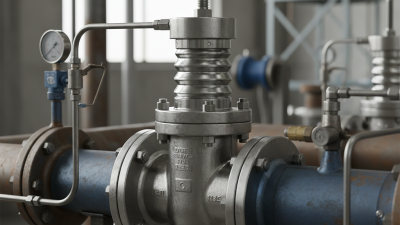
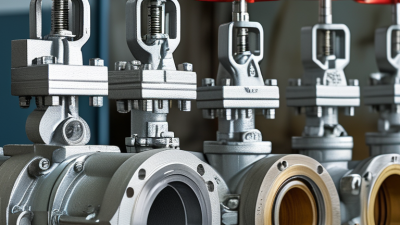
DIN 3352 F4 resilient seated gate valves are vital in various industrial applications. They provide efficient flow control in water, gas, or wastewater systems. The design of these valves ensures minimal leakage and reliable operation under pressure. Their construction typically includes a rubber seat that allows for a tight seal, prolonging the valve's lifespan and reducing maintenance needs.
When selecting DIN 3352 F4 valves, consider the specific requirements of your system. Look for compatible materials that can withstand the fluid types and temperatures involved. Regular inspections are essential to catch potential issues early. Remember, even the best valves can fail if not properly maintained.
Keep installation guidelines in mind to enhance performance. Align the valve correctly for optimal functionality. Sealing surfaces should be clean and intact to prevent any leaks. Regular training for your maintenance team on valve care can be beneficial. Small mistakes in these areas can lead to larger issues over time.
Key Features and Benefits of Resilient Seated Gate Valves
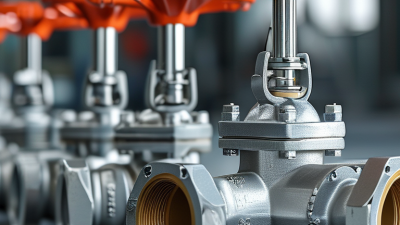
Resilient seated gate valves stand out for their key features and numerous benefits. Their design allows for a positive sealing mechanism, which significantly reduces the chances of leakage. The resilient material used in the seating enhances durability and adaptability. This makes them ideal for various applications, from residential to industrial settings.
One important benefit is their ease of operation. Users appreciate how effortlessly these valves can be opened and closed. However, proper installation is crucial. A poorly installed valve can lead to operational issues. Over time, wear and tear can occur, requiring maintenance. Regular inspections ensure they function effectively.
When selecting a resilient seated gate valve, consider the specific application. Sometimes, a valve may appear perfect at first glance. But mismatched specifications could lead to reduced performance. Always consult with knowledgeable professionals. Their insights can help prevent costly mistakes. Understanding the unique needs of your system is fundamental.
2026 Best DIN 3352 F4 Resilient Seated Gate Valves Guide
This chart illustrates key features of the DIN 3352 F4 resilient seated gate valves, demonstrating their strengths in durability, leakage rate, maintenance requirements, temperature range, and pressure rating. Each feature is rated on a scale from 1 to 10, showcasing the valves' overall performance and reliability.
Applications and Industries Utilizing DIN 3352 F4 Valves
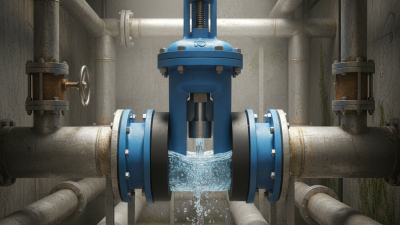
The use of DIN 3352 F4 resilient seated gate valves spans multiple sectors, showcasing their versatility. These valves are particularly common in water and wastewater management systems, where they effectively regulate flow and bolster system reliability. The global market for water valves is projected to reach approximately $41 billion by 2025, with a significant portion attributed to gate valves like the DIN 3352 F4.
In industrial applications, such as oil and gas, these valves play a crucial role. They provide critical sealing capabilities, ensuring minimal leakage, which aligns with industry demands for efficiency. A report by Research and Markets notes that the oil and gas valve market is expected to grow at a CAGR of 7.2% from 2021 to 2026. The reliability and performance of DIN 3352 F4 valves directly contribute to operational safety and reduced downtime in these high-stakes environments.
Though highly effective, some applications may reveal performance limitations under extreme conditions. For example, the temperature and pressure ratings must be strictly adhered to, as exceeding them can lead to valve failure. Continuous evaluation of valve performance and maintenance practices remains essential for optimizing operational integrity in any industry relying on these valves.
Installation and Maintenance Guidelines for Optimal Performance
Proper installation of DIN 3352 F4 resilient seated gate valves is critical. Begin with a thorough inspection of the valve and surrounding pipeline. All debris should be cleared to avoid future operational issues. Misalignment can lead to performance problems. Ensure that the valve gasket is correctly seated before tightening. It’s recommended to follow the manufacturer’s guidelines closely during installation.
Maintenance is equally important for optimal valve performance. Regular checks for leaks and corrosion can prevent costly repairs. Another common issue is environmental impact; rust can creep into valve operation. Inspect actuator mechanisms, ensuring they function smoothly. If resistance is felt, it may require lubrication or, in some cases, replacement parts. The right maintenance strategy can extend the life of the valve significantly.
While these guidelines provide a framework, system complexity may require professional input. Every installation or maintenance session has learning opportunities. Reflection on past experiences can lead to better practices. It’s essential to adapt techniques as well, as each environment presents unique challenges.
2026 Best Din 3352 F4 Resilient Seated Gate Valves Guide
| Valve Type |
Material |
Size (mm) |
Pressure Rating (PN) |
Temperature Range (°C) |
Installation Guidelines |
Maintenance Frequency |
| Standard F4 Gate Valve |
Ductile Iron |
50 |
10 |
-10 to 80 |
Ensure proper alignment before installation, torque to specified values. |
Annually |
| Flanged Gate Valve |
Stainless Steel |
100 |
16 |
-20 to 150 |
Check for flange flatness and cleanliness before connection. |
Semi-Annually |
| Electric Actuated Valve |
Bronze |
150 |
25 |
-10 to 120 |
Follow electrical installation guidelines, ensure waterproofing. |
Quarterly |
| Pressure Regulating Valve |
PVC |
200 |
10 |
5 to 60 |
Install according to flow direction printed on body. |
Monthly |
Comparison with Other Types of Gate Valves
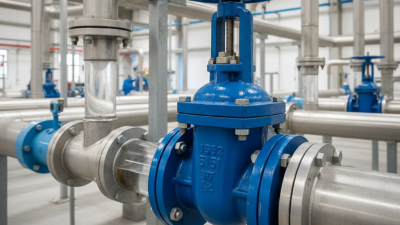
When it comes to gate valves, the DIN 3352 F4 resilient seated model stands out for its robust design and versatility. Unlike metal-seated valves, resilient-seated options offer improved sealing, preventing leaks effectively. However, they may not perform as well in high-temperature applications compared to metal-seated valves, which can withstand extreme conditions better. According to industry reports, the market for resilient-seated gate valves is projected to grow by over 4% annually, emphasizing their increasing demand in various sectors.
In comparison with other gate valve types, the resilient-seated variants are often preferred for water and wastewater applications. They provide lower torque requirements, making them easier to operate. Interestingly, a comparative study noted that while resilient-seated valves had a longer life cycle in normal conditions, they may degrade faster in environments with aggressive chemicals. This aspect highlights the importance of application-specific selection.
Many operators overlook maintenance schedules for their gate valves. Regular inspection can prevent unexpected failures and increase the lifespan of these components. If your application involves fluctuating temperatures, consider the potential impact on valve performance. A little preparation goes a long way. Always ensure your choice aligns with the specific requirements of your project for optimal results.




 Zalo
Zalo