Top Api Bellows Sealed Gate Valves for Global Buyers?
In the realm of industrial applications, Api Bellows Sealed Gate Valves have emerged as a critical component. They provide exceptional sealing performance, particularly in high-pressure and high-temperature environments. According to a recent market report, the global valve market is projected to reach USD 100 billion by 2025, with bellows sealed designs gaining notable traction.
Expertise in valve manufacturing is crucial. A well-designed Api Bellows Sealed Gate Valve minimizes leakage and enhances longevity. However, not all manufacturers meet industry standards. A study indicated that 40% of gate valves failed quality inspections. This highlights the importance of selecting reliable suppliers who adhere to stringent quality control measures.
Moreover, the growing demand for energy-efficient solutions in various sectors is pertinent. Companies are increasingly choosing Api Bellows Sealed Gate Valves for their reliability. These valves not only reduce maintenance costs but also improve overall system efficiency. Nevertheless, buyers must remain vigilant, as the presence of substandard products in the market can lead to operational failures.
Understanding Bellows Sealed Gate Valves: Key Features and Benefits
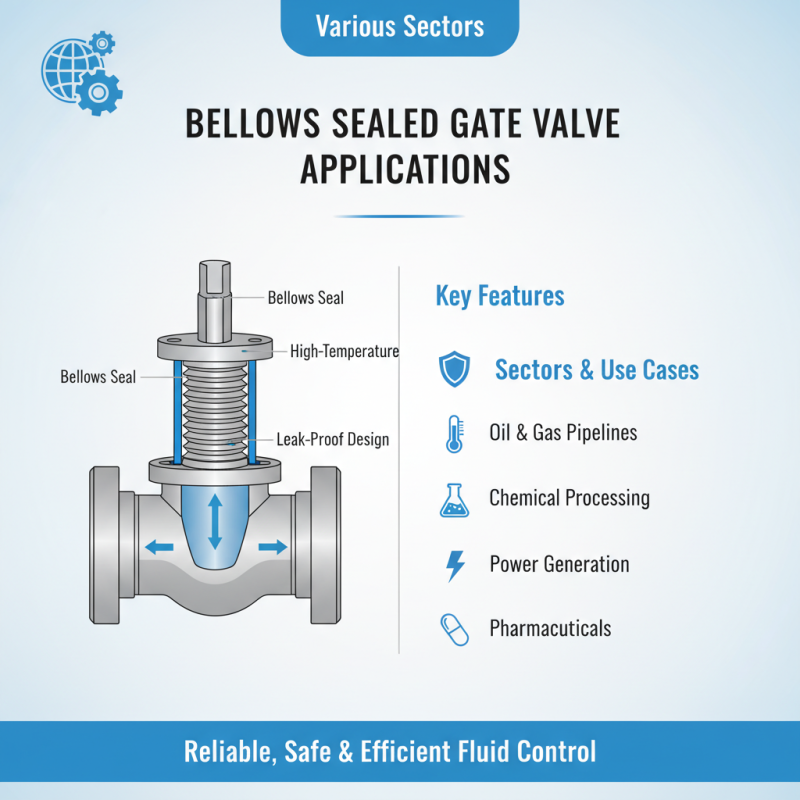
Bellows sealed gate valves are essential in various industrial applications. They feature a unique design that prevents leakage, ensuring safe operation. This design includes a bellows assembly, which isolates the valve stem from the process media. As a result, it minimizes the risk of contamination and environmental hazards.
The key benefits of bellows sealed gate valves are significant. Their ability to maintain pressure and temperature makes them ideal for harsh conditions. Moreover, they require less maintenance compared to traditional valves. Users often notice decreased downtime due to fewer leaks and failures. However, the initial investment might be higher. This can lead to hesitation among some buyers.
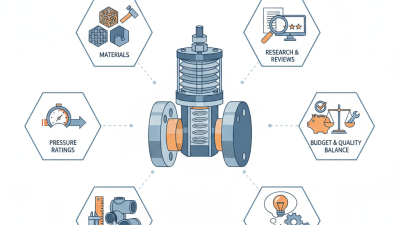
Understanding the materials used is crucial. Commonly, they are made from stainless steel, which enhances durability. Yet, not all applications may suit these materials. It's important to evaluate specific needs and conditions carefully. Manufacturers can provide insights, but real-world testing often reveals unexpected challenges. Balancing costs and benefits requires thorough consideration.
Global Market Overview for Bellows Sealed Gate Valves: Trends and Drivers
Bellows sealed gate valves are gaining traction worldwide. Their robust design minimizes leakage, making them ideal for critical applications, particularly in the oil and gas industry. According to a recent market report by Grand View Research, the global valve market is projected to reach USD 93.2 billion by 2025, with bellows sealed types seeing significant growth. Analysts attribute this trend to the increasing demand for leak-proof solutions and regulations promoting environmental sustainability.
In examining the market dynamics, technological innovation plays a vital role. Manufacturers are investing in advanced materials and designs to enhance performance. A separate report from Mordor Intelligence highlighted that the growing trend towards automation in manufacturing processes boosts the demand for these valves. End-users are seeking reliable components that ensure safety and efficiency in operation.
Tip: Regular maintenance is crucial for optimal valve performance. Neglecting it can lead to premature failure, increasing operational costs.
Additionally, awareness of market challenges provides insight. Supply chain disruptions and fluctuating raw material prices can affect availability and cost. Companies must remain agile and proactive to navigate these uncertainties. Understanding global trends empowers buyers to make informed choices.
Tip: Stay updated with industry reports. They can provide valuable insights into future market directions.
Global Market Overview for Bellows Sealed Gate Valves
Leading Manufacturers in the Bellows Sealed Gate Valve Industry
The bellows sealed gate valve market is rapidly evolving. Leading manufacturers focus on high-performance, durable products. These valves are designed to prevent leaks and offer excellent reliability. Reports indicate a steady growth rate of about 5% in this sector over the past few years, driven by demand in industries like oil and gas, water treatment, and chemical processing.
Manufacturers who prioritize innovation gain a competitive edge. For instance, advancements in materials have improved corrosion resistance. A recent study showed that valves with metal bellows outperformed traditional seals in extreme conditions. However, challenges remain in manufacturing consistency and quality assurance.
Tips: Regular maintenance of bellows sealed gate valves can prevent costly failures. Users should check for wear and tear after installation. Understanding specific application requirements is crucial for longevity. Invest in training for personnel to ensure proper handling and operation.
Top Api Bellows Sealed Gate Valves for Global Buyers
| Specification |
Material |
Size Range (inches) |
Pressure Rating (psi) |
Temperature Range (°C) |
| API 6D |
Carbon Steel |
2 to 24 |
150 to 300 |
-29 to 200 |
| API 600 |
Stainless Steel |
2 to 12 |
150 to 600 |
-46 to 400 |
| API 602 |
Alloy Steel |
1 to 8 |
200 to 1500 |
-29 to 230 |
| API 625 |
Ductile Iron |
4 to 16 |
150 to 300 |
-20 to 180 |
Performance Data and Standards for Bellows Sealed Gate Valves
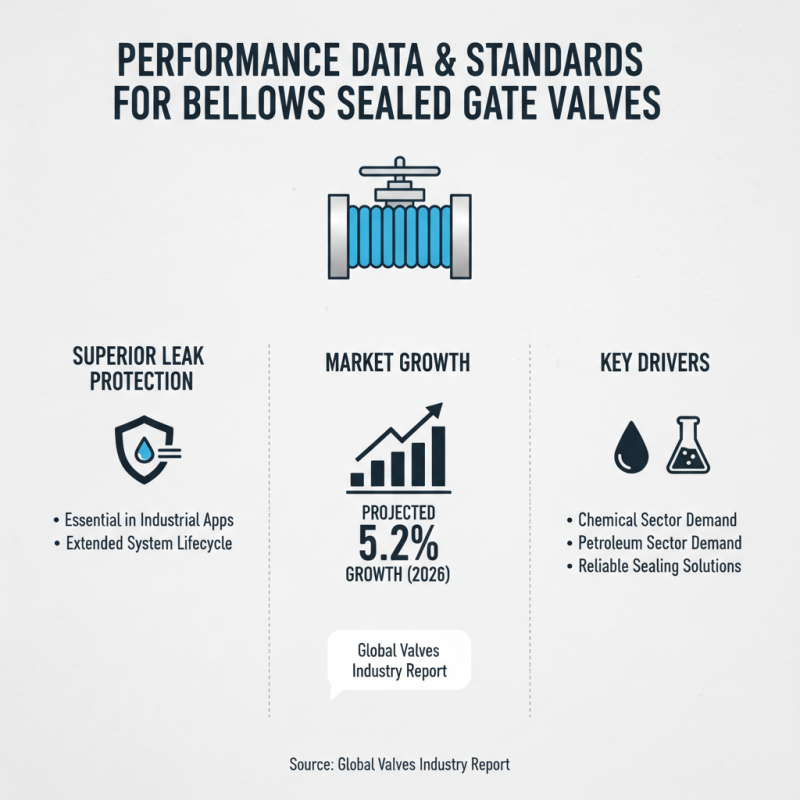
Bellows sealed gate valves are essential in various industrial applications. They provide superior leak protection and extend the lifecycle of systems. According to the Global Valves Industry Report, the bellows sealed valve market is projected to grow by 5.2% annually through 2026. This growth stems from increasing demand for reliable sealing solutions in chemical and petroleum sectors.
Performance data indicates that bellows sealed gate valves offer excellent resistance to corrosive media. They operate efficiently in extreme temperatures and pressures. Furthermore, industry standards such as ASME, API, and ISO play a crucial role in ensuring the reliability and safety of these valves. Compliance with these standards is essential for manufacturers to enhance product credibility.
Tip: Regular testing and maintenance are vital for prolonging the lifespan of bellows sealed gate valves. End-users should implement periodic inspections to identify any potential issues early. Also, consider the operating environment, as harsh conditions can degrade valve integrity over time. Continuous monitoring can help maintain optimal performance levels and prevent unexpected failures.
Applications and Use Cases of Bellows Sealed Gate Valves in Various Sectors
Bellows sealed gate valves are essential in several industries, offering a reliable solution for preventing leakage. Their unique design consists of a flexible bellows that protects the valve stem from fluid exposure. This feature makes them suitable for high-pressure and high-temperature applications. For example, these valves are widely used in oil and gas pipelines, where leakage can lead to costly environmental damage and safety hazards.
In chemical processing, bellows sealed gate valves serve a critical role in handling corrosive substances. According to a recent industry report, the global market for these valves is expected to grow by 5.5% annually, driven by their reliability and performance. Manufacturers are focusing on improving materials and designs to enhance their durability and effectiveness in extreme conditions. In mining and metallurgy, these valves withstand abrasive materials, ensuring operational efficiency.
Tips: Regular maintenance is crucial for longevity. Inspect valves frequently for wear and tear. Proper installation is vital for optimal performance. Ensuring alignment protects against undue stress on valve components. While bellows sealed gate valves offer numerous advantages, they are not without limitations. Their initial cost can be higher than traditional valves, prompting users to consider long-term benefits versus upfront expenses.




 Zalo
Zalo