
+86 19720579616
+86 19720579616
Zalo
DIN Gate Valves remain essential in water treatment, power generation, chemical processing, and industrial pipelines. Their simple appearance can hide difficult selection decisions. Wedge design, pressure class, body material, bonnet construction, and operating method all affect service life. A valve that performs well in clean water may fail early in abrasive slurry or high-temperature steam.
Valve engineering author Richard W. Zappe offers a practical principle: “Select the valve for the service, not for the catalogue.” That advice suits global buyers. DIN Gate Valves should be evaluated against pressure, temperature, media, installation space, maintenance access, and applicable standards. Threaded, flanged, welded, resilient-seated, metal-seated, parallel-slide, and knife gate designs each serve different operating conditions. None is universally best.
This guide explores the top ten types of DIN Gate Valves for international purchasing teams. It considers where each design works, where it struggles, and what buyers should verify before ordering. Important details include EN rating compatibility, face-to-face dimensions, sealing materials, coating quality, and factory documentation. Small errors matter. A mismatched flange can delay installation. An unsuitable seat can create leakage, downtime, or repeated replacement costs.
The ranking is useful, but not absolute. Real projects involve imperfect drawings, changing media, and incomplete supplier data. Buyers should request material certificates, pressure-test records, dimensional drawings, and traceable quality documents. Product photographs are not enough. Careful comparison creates a stronger procurement decision and reduces unpleasant surprises after delivery.
Top 10 Types of DIN Gate Valves for Global Buyers
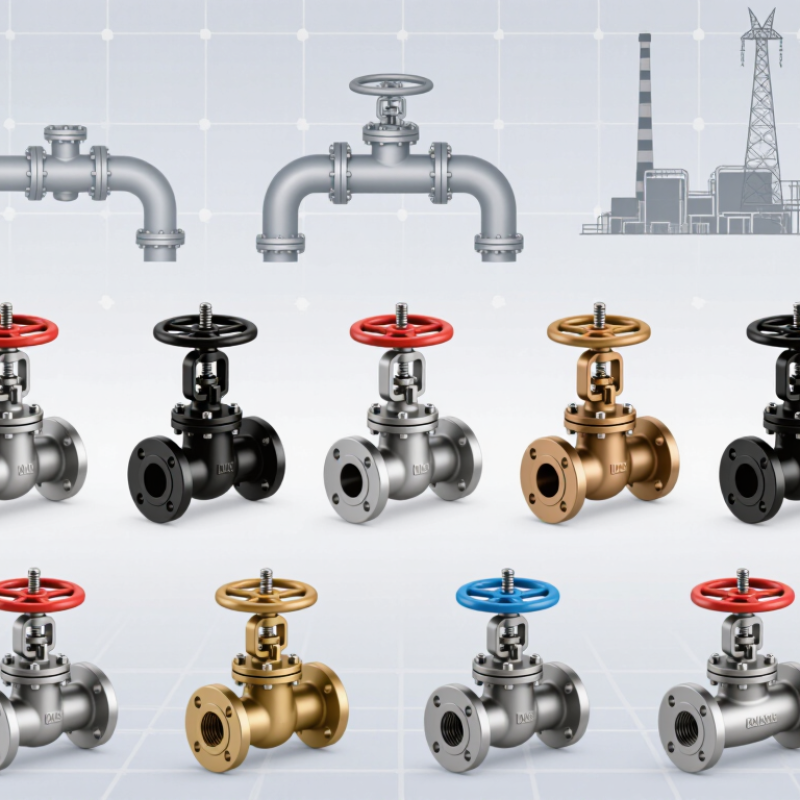
DIN gate valves isolate flow by lifting a wedge or parallel gate from the pipeline. They are not designed for routine throttling. A partly open gate can vibrate, erode, and damage sealing surfaces. DIN EN 1984 classifies industrial gate valves by construction and service features. Common types include wedge, parallel-slide, solid-wedge, flexible-wedge, split-wedge, rising-stem, non-rising-stem, bolted-bonnet, pressure-sealed, and bellows-sealed designs. The distinction matters.
A 2024 industrial valve market assessment estimated global demand above USD 70 billion in 2023, with energy, water, and chemical facilities among major users. Buyers should compare pressure class, temperature range, body material, seat design, bonnet construction, and end connection. Carbon steel suits many utility lines, while stainless steel supports more corrosive duties. For buried pipelines, non-rising stems save space, but position confirmation becomes less obvious. Rising stems offer clearer visual feedback and easier maintenance access.
Field experience shows that classification tables can mislead. A valve marked “DIN” may still require separate checks for flange dimensions, face-to-face length, and pressure-temperature ratings. ISO 5208 leakage testing also helps buyers compare shutoff performance. Do not rely on size alone. A DN300 valve with a weak actuator, unsuitable packing, or poor installation may fail earlier than a smaller, better-matched unit. The overlooked detail is often the operating cycle count.
Top 10 Types of DIN Gate Valves for Global Buyers
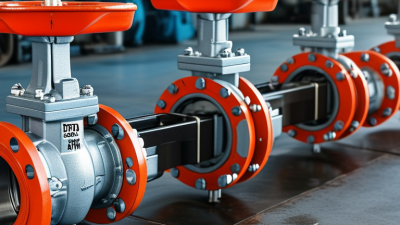
The leading DIN gate valve types differ by design and application. Wedge gate valves suit general water and process lines. Parallel-slide valves handle steam and high-temperature service. Knife gate valves cut through sludge, pulp, and dry solids. Slab gate valves support pipelines carrying clean fluids. Expanding gate valves help isolate high-pressure systems. Resilient-seated valves reduce leakage in municipal networks, while metal-seated valves tolerate abrasive media and heat.
Bellows-sealed gate valves protect sensitive processes from stem emissions. Cryogenic gate valves use extended bonnets for liquefied gases and very low temperatures. Forged compact gate valves fit high-pressure, space-limited installations. Rising-stem designs offer visible position feedback; however, they need more clearance above the pipeline. Some classifications overlap, so buyers should check the manufacturer’s drawing and test certificate.
Fortune Business Insights valued the global industrial valves market at about USD 79.96 billion in 2023. Its report also identifies energy, water, and chemical processing as major demand sectors. For DIN projects, EN 1984 covers steel gate valve requirements, while EN 1171 addresses cast iron designs. Leakage testing should reference EN 12266-1 or ISO 5208. A valve can meet the nominal standard yet fail the real duty. Media temperature, pressure cycling, seat material, and installation direction still require engineering review. The ranking is useful, but not absolute.
Top 10 Types of DIN Gate Valves for Global Buyers
DIN gate valves differ sharply in material, pressure class, and temperature performance. Common designs include wedge, parallel-slide, resilient-seated, metal-seated, OS&Y, bellows-sealed, cryogenic, high-temperature, forged-steel, and cast-steel valves. Each design serves a different operating problem.
Ductile iron valves often suit water systems at moderate temperatures, commonly near 120°C, depending on the lining and seat. Carbon-steel valves handle wider industrial ranges, often from about -29°C to 425°C. Stainless-steel bodies resist corrosion and may perform from cryogenic temperatures to roughly 550°C. These figures are typical, not guaranteed.
Pressure ratings require equal care. PN10 and PN16 valves appear frequently in water networks, while PN25, PN40, and higher classes serve steam, chemical, and process lines. The body may tolerate the stated PN rating, but the seat can reduce the real temperature limit. Seat material matters. EPDM suits many water applications but may fail in hot oil service; PTFE handles chemicals well, yet creep can affect sealing under heat. Metal seats tolerate harsher service but may allow minor leakage. I would not choose from the valve body alone. Verify the pressure-temperature table, flange standard, end connection, media compatibility, and test certificate. A small mismatch at 180°C can become a serious maintenance problem. The ranking is not absolute.
| No. | DIN Gate Valve Type | Common Standards | Typical Body and Trim Materials | Typical Nominal Size | Typical Pressure Rating | Typical Temperature Limit | Common Applications |
|---|---|---|---|---|---|---|---|
| 1 | Resilient-Seated Wedge Gate Valve | EN 1074-2; EN 1171; DIN 3352 design practice | Ductile iron body; ductile iron or stainless-steel wedge; EPDM or NBR elastomer seat; stainless-steel stem | DN 40–DN 1200 | PN 10, PN 16, PN 25 | Approximately −10°C to +80°C with EPDM; approximately −10°C to +70°C with NBR | Drinking-water networks, water treatment, irrigation, and general utility isolation |
| 2 | Metal-Seated Wedge Gate Valve | EN 1171; EN 1984; DIN 3352 design practice | Cast or ductile iron, carbon steel, or stainless-steel body; stainless-steel or hard-faced wedge and seats; graphite or PTFE packing | DN 50–DN 1000 | PN 10–PN 40; higher classes available in steel designs | Approximately −29°C to +300°C, depending on body, trim, packing, and service medium | Steam, process water, abrasive fluids, wastewater, and higher-temperature utility services |
| 3 | Parallel-Slide Gate Valve | EN 1984; DIN 3352 design practice | Carbon steel or alloy steel body; stainless-steel discs and guides; graphite packing and gasket materials | DN 50–DN 1000 | PN 16–PN 100 | Approximately −29°C to +425°C, subject to steel grade and sealing materials | Steam lines, boiler feed systems, power generation, and high-temperature process piping |
| 4 | Knife Gate Valve | EN 1171; EN 1610 application practice; manufacturer-specific knife-gate designs | Cast iron, ductile iron, or stainless-steel body; stainless-steel knife gate; EPDM, NBR, PTFE, or metal seat | DN 50–DN 1600 | Typically PN 6, PN 10, or PN 16 | Approximately −10°C to +110°C with elastomer seats; up to approximately +400°C with suitable metal seats | Pulp and paper, mining slurry, wastewater, ash handling, and bulk solids |
| 5 | Bellows-Sealed Gate Valve | EN 1984; EN 12266-1 testing principles | Carbon steel, stainless steel, or alloy steel body; welded stainless-steel bellows; stainless-steel trim; graphite packing or secondary seal | DN 15–DN 400 | PN 16–PN 40 | Approximately −29°C to +400°C, depending on bellows alloy, gasket, and packing configuration | Hazardous, toxic, volatile, or high-purity media where stem-emission control is required |
| 6 | Forged-Steel Gate Valve | EN 1984; EN 12516 pressure-design principles | Forged carbon steel, low-alloy steel, or stainless steel body; stainless-steel or hard-faced trim; graphite packing | DN 15–DN 100 | PN 40–PN 160 | Approximately −29°C to +425°C for common carbon and low-alloy steel configurations | High-pressure steam, oil and gas processing, chemical plants, and compact process piping |
| 7 | Cast-Steel Gate Valve | EN 1984; EN 12516 pressure-design principles | Cast carbon steel, low-alloy steel, or stainless steel body; stainless-steel, cobalt-alloy, or hard-faced trim; graphite gasket and packing | DN 50–DN 1200 | PN 16–PN 100 | Approximately −29°C to +425°C; alloy-steel constructions may support higher temperatures | Refineries, power plants, chemical processing, steam, hydrocarbons, and general industrial isolation |
| 8 | Stainless-Steel Gate Valve | EN 1984; EN 1171 where applicable | Austenitic stainless steel such as 1.4408 or 1.4409; stainless-steel stem and wedge; PTFE, graphite, or metal sealing components | DN 15–DN 600 | PN 16–PN 63 | Approximately −196°C to +400°C, depending on stainless-steel grade and seat or packing material | Corrosive chemicals, food and beverage utilities, cryogenic support services, and clean process systems |
| 9 | Cryogenic Extended-Bonnet Gate Valve | EN 1626; EN 1984; EN 12567 application requirements | Austenitic stainless-steel body and trim; extended stainless-steel bonnet; PTFE, PCTFE, or specially selected low-temperature seals | DN 15–DN 300 | PN 16–PN 63 | Approximately −196°C to +80°C, depending on cryogenic medium and sealing system | Liquid nitrogen, oxygen, argon, LNG, and other cryogenic fluids |
| 10 | Rubber-Lined or PTFE-Lined Gate Valve | EN 1171; EN 12266-1 testing principles | Ductile iron or carbon-steel body with EPDM, NBR, natural-rubber, or PTFE lining; stainless-steel stem and gate components | DN 50–DN 1000 | Typically PN 6, PN 10, or PN 16 | Approximately −10°C to +80°C with rubber lining; approximately −20°C to +150°C with PTFE lining, depending on design | Corrosive chemicals, wastewater, slurry, acids, alkalis, and contaminated industrial fluids |
| Note: Pressure and temperature figures are typical selection ranges rather than universal limits. The allowable rating depends on the applicable EN/DIN standard, pressure-temperature derating, body and trim grade, seat or packing material, end connection, fluid compatibility, and the valve manufacturer's certified design. | |||||||
Global buyers often compare ten DIN gate valve types: wedge, resilient-seated, parallel-slide, slab, expanding, knife, cryogenic, bellows-sealed, forged, and cast designs. Each type serves a different operating condition. A wedge valve suits general isolation, while a knife gate valve handles slurry more effectively. Cryogenic designs require special materials and extended bonnets. The selection must match pressure, temperature, media, and maintenance access.
DIN requirements are not limited to dimensions. Relevant documents may address valve design, flange connections, materials, and factory testing. Pressure tests commonly include shell strength, seat tightness, and, where applicable, backseat performance. Testing should use calibrated equipment, recorded test pressures, controlled duration, and traceable inspection reports. Leakage acceptance depends on the specified standard and valve class. A DIN reference alone is not enough.
Global compatibility needs careful checking. Flange drilling, face-to-face length, pressure rating, actuator interfaces, and material grades may differ between DIN, EN, ISO, and ASME systems. A valve can fit one pipeline and fail another connection review. Confirm drawings before purchase. Check certificates, coating details, weldability, and spare-part availability. In practice, buyers sometimes focus on the body standard and overlook the actuator connection. That mistake is costly. I would also recheck the test medium, because water testing may not represent every service condition. Clear documentation remains essential for safe installation and reliable operation.
Top 10 Types of DIN Gate Valves for Global Buyers
Global buyers should select DIN gate valves by service conditions, not catalog appearance. Wedge, parallel-slide, knife, resilient-seated, and bellows-sealed designs suit different applications. A refinery line may require metal seating, while a water system often favors resilient sealing. Verify pressure class, temperature range, media composition, and corrosion risks before requesting quotations.
The Global Industrial Valves Market report by Fortune Business Insights estimated the market at USD 78.4 billion in 2023. It projects growth to approximately USD 105.3 billion by 2032. This expansion increases supplier choices, but it also increases specification errors. DIN EN 1984 references essential design and testing requirements for industrial steel gate valves. Buyers should request material certificates, pressure-test records, dimensional drawings, and traceability documents.
Details matter. Check the body material against chloride, steam, or abrasive particles. Confirm flange dimensions and face-to-face length before installation. Ask whether the valve uses rising or non-rising stems. Consider handwheel clearance in narrow pipe racks. Factory inspection can include shell testing, seat testing, coating checks, and marking verification. Do not guess. A low purchase price may hide weaker documentation or unsuitable packing materials. I would also challenge vague claims such as “DIN compliant” unless the supplier identifies the exact standard, test method, and inspection scope. Source evaluation should include production capability, export experience, response quality, and independent quality records. One assumption often fails: identical pressure ratings do not guarantee identical service life.
The chart presents ten commonly specified PN pressure designations used when selecting DIN/EN gate valves. PN values are nominal pressure designations in bar under reference conditions; the permitted working pressure can vary with valve material, temperature, media, end connection and applicable standard.
Common configuration choices include wedge gate valves, parallel-slide gate valves, resilient-seated gate valves, metal-seated gate valves, rising-stem valves, non-rising-stem valves, bolted-bonnet valves, pressure-seal bonnet valves, flanged-end valves and butt-weld-end valves. Buyers should verify EN/DIN compliance, face-to-face dimensions, pressure-temperature ratings, material certificates and inspection requirements before sourcing.