How to Choose Forged Steel Gate Valves for Your Application?
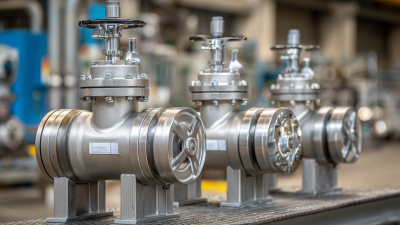
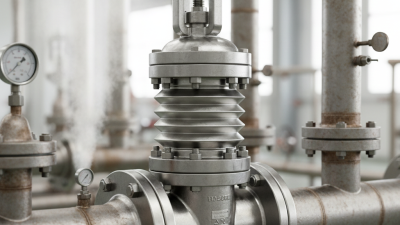
Choosing the right forged steel gate valves for your application is crucial. These valves are known for their strength and durability. They are essential in many industrial processes, including oil and gas, power generation, and water treatment. Understanding your specific needs will guide your selection.
Forged steel gate valves offer advantages like high resistance to pressure and temperature. However, they are not all the same. Variations in design and material can significantly influence performance. Buyers often overlook these details, leading to inefficiencies. It's vital to assess factors like flow rate and operating conditions carefully.
Consider the environment where the valves will be used. Corrosive substances can quickly degrade materials not designed for such exposure. Even a small oversight can result in costly failures. Take time to analyze your options. Relying on expert advice can enhance your decision-making process and improve reliability. Forged steel gate valves are not merely mechanical components; they are strategic assets in your operational framework.
Factors to Consider Before Choosing Forged Steel Gate Valves
When selecting forged steel gate valves, several key factors are essential. Understanding the specific application is crucial. Consider the temperature and pressure conditions they will face. Valves must withstand these elements without failure. The choice of material is equally important. Different grades of forged steel offer varying levels of strength and corrosion resistance.
Another consideration is the size and compatibility with existing piping systems. A mismatch can lead to leaks or system inefficiencies. Ensure that the valve dimensions match industry standards. This minimizes installation problems and enhances reliability.
Don’t overlook the need for reliable suppliers. Assessing vendor reputation can play a critical role in achieving long-term performance. Seeking feedback from other professionals can provide insights. However, even with thorough research, uncertainties may remain. Sometimes, unexpected issues can arise during installation or operation. Thoughtful planning and open communication can help address these challenges.
Understanding Different Types of Forged Steel Gate Valves
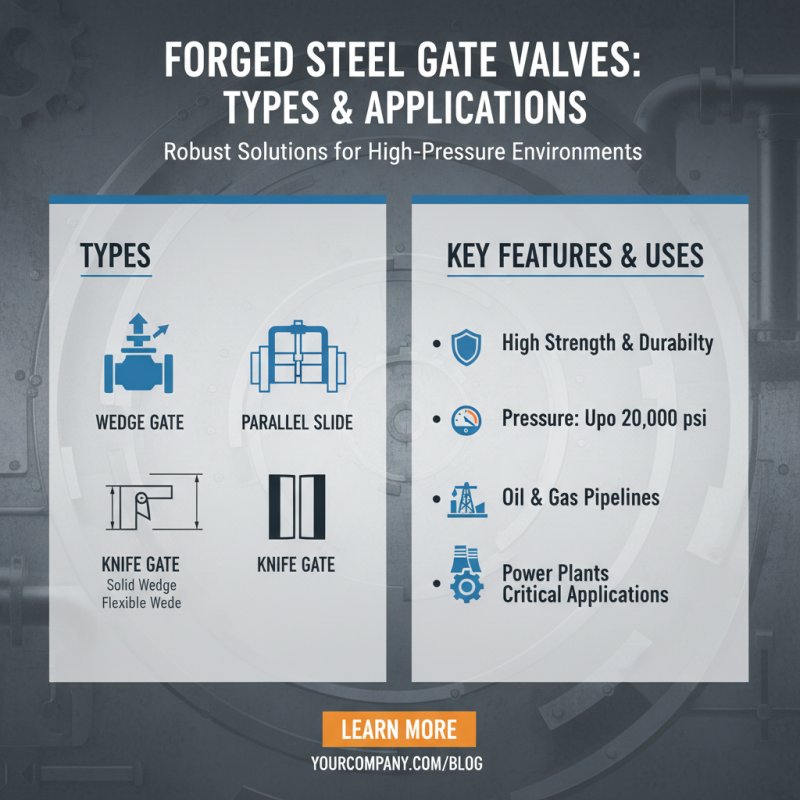
When selecting forged steel gate valves for specific applications, it’s crucial to understand their various types. Forged steel valves are recognized for their robustness and high strength properties. They are commonly used in high-pressure environments. According to industry reports, forged steel gate valves can withstand pressures up to 20,000 psi. This makes them suitable for oil and gas pipelines, as well as in power plants.
There are two main types of forged steel gate valves: solid wedge and flexible wedge. Solid wedge valves offer a tighter seal and superior resistance to shock loads. However, they are less forgiving in thermal cycling applications. In contrast, flexible wedge valves provide better adaptability to thermal expansion. A study by the American Society of Mechanical Engineers found that 30% of valve failures are attributed to improper selection. Understanding these characteristics can lead to better decision-making.
Application specifics heavily influence valve choice. Factors such as temperature, pressure, and the nature of the fluid must be assessed. For instance, a fluid with high viscosity might require a different valve type than a less viscous one. It’s essential to specify these conditions clearly. Not considering them could result in inefficiencies or even system failures. This knowledge ensures that engineers make informed choices to enhance system reliability and efficiency.
Key Specifications and Standards for Forged Steel Gate Valves
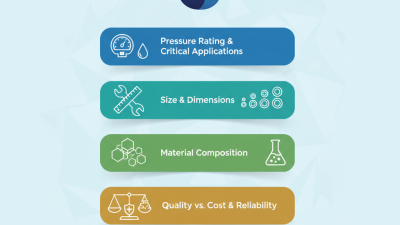
When selecting forged steel gate valves, understanding key specifications is crucial. One vital aspect is the pressure rating. Different applications require specific ratings, ensuring the valve can withstand operational pressures. Valves typically follow standards like ASME or API for ratings, but variations exist. Familiarizing oneself with these standards is essential for optimal selection.
Another important consideration is the valve size and end connections. The correct size ensures a proper fit within piping systems, which minimizes leaks and inefficiencies. Common types of end connections include flanged, threaded, or welded. Each type has its unique advantages and application contexts.
Material composition is also a critical factor. Forged steel valves are typically made from alloys designed for durability and corrosion resistance. However, not all materials meet every situation. It's essential to assess the specific environmental conditions and fluid types encountered in your application. Investing time into understanding these specifications may seem tedious, but it results in more reliable valve performance.
Applications of Forged Steel Gate Valves in Various Industries
Forged steel gate valves are crucial in various industries, including oil and gas, water treatment, and chemical manufacturing. In oil and gas, these valves control the flow of crude oil and natural gas. Their durability and strength withstand high pressures and temperatures. Water treatment facilities rely on forged steel gate valves to manage water flow. They ensure efficient operation in treating and distributing clean water.
The chemical industry also depends on these valves for safe handling of corrosive substances. Forged steel gate valves resist wear and maintains integrity under harsh conditions. However, choosing the right valve can be challenging. Consider factors like temperature, pressure, and fluid type. Each application has its specific demands. It's essential to evaluate these criteria carefully.
Regular maintenance is vital for optimal performance. Neglecting it can lead to failures. Set schedules to inspect valves and replace them as needed. Learning from past mistakes in valve selection can lead to better choices in the future. Understanding the specifics of your application will greatly enhance reliability in operations.
How to Choose Forged Steel Gate Valves for Your Application?
| Application Industry |
Key Features |
Temperature Range (°C) |
Pressure Rating (PSI) |
Material Grade |
| Oil & Gas |
High strength, corrosion-resistant |
-30 to 150 |
6000 |
A105 |
| Water Treatment |
Durable, suitable for freshwater |
0 to 50 |
1500 |
A216 WCB |
| Power Generation |
High temperature, pressure capability |
-20 to 350 |
2500 |
A182 F316 |
| Chemical Processing |
Chemical resistance, high durability |
-40 to 200 |
3000 |
A350 LF2 |
| Minerals & Mining |
Heavy duty, reliable seals |
-10 to 180 |
1500 |
A105N |
Maintenance and Inspection of Forged Steel Gate Valves
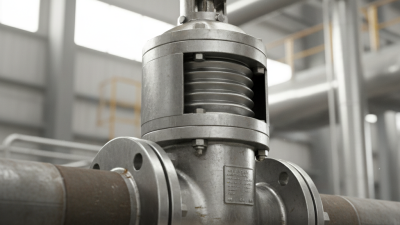
Forged steel gate valves are crucial in various applications, requiring regular maintenance and inspection to ensure optimal performance. According to industry reports, improper maintenance could lead to valve failures, resulting in costly downtimes. Routine inspections help to identify potential issues before they escalate. It is essential to check for leaks, corrosion, and signs of wear.
Tip: Perform visual inspections monthly. This simple task can prolong the valve's lifespan.
During maintenance, focus on the sealing surface and the valve's operating mechanism. Ensure that the actuator functions correctly, and lubricate moving parts as needed. The sealing surfaces should remain clean and free of debris. Neglecting these details can lead to malfunctions that disrupt operations.
Tip: Keep a detailed log of inspections and maintenance activities. This practice enhances accountability and aids in troubleshooting.
Industry statistics indicate that more than 30% of valve failures are linked to inadequate maintenance. Regular upkeep is not just beneficial; it’s a necessity for reliability and efficiency. Be proactive rather than reactive in valve management.
Maintenance and Inspection Frequency of Forged Steel Gate Valves




 Zalo
Zalo