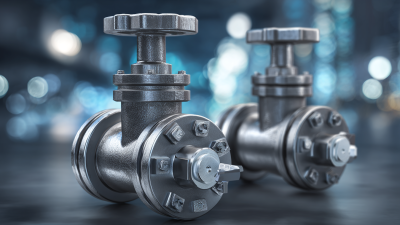
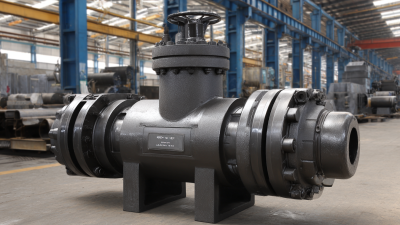
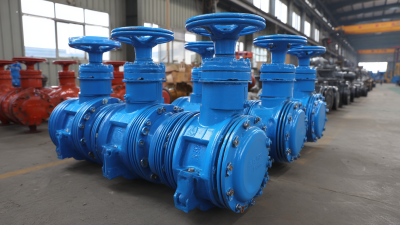
Top 5 Tips for Choosing Api 602 Forged Steel Valves
When selecting the right valves for your project, the importance of quality cannot be overstated. "Api 602 Forged Steel Valves provide robustness and reliability in critical applications," says Dr. Emily Carter, a leading expert in valve engineering. Understanding the key aspects of these valves is crucial for making an informed decision.
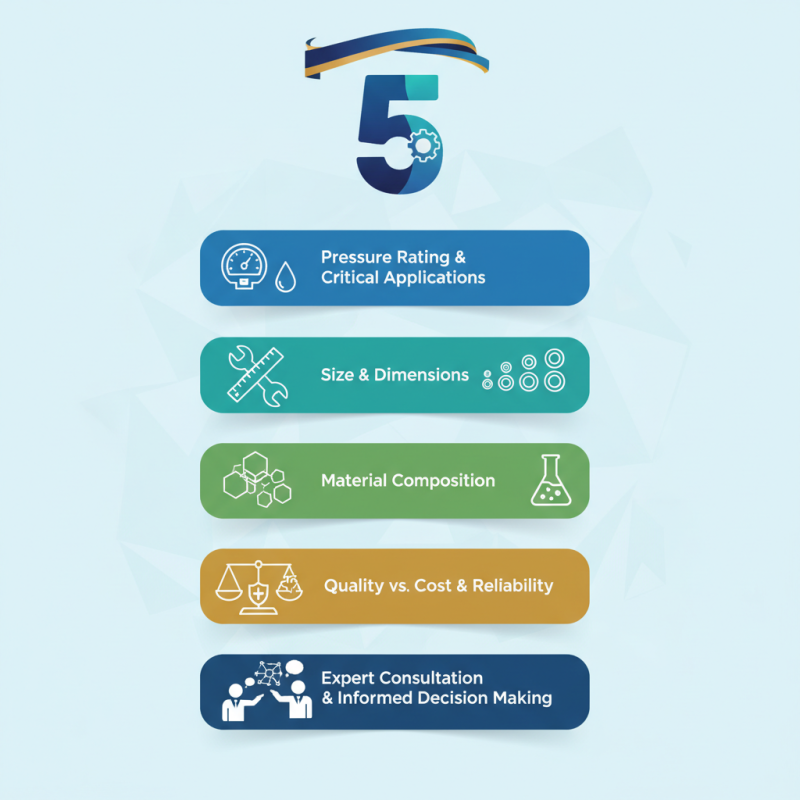
API 602 forged steel valves are widely used in demanding environments. However, choosing the right ones can be challenging. Factors such as pressure rating, size, and material composition play a critical role. Each detail matters significantly in ensuring performance and longevity. Many professionals overlook these nuances, leading to costly errors down the line.
It's essential to balance quality and cost. A cheaper valve may seem attractive initially but can lead to failures later. Users often regret not investing in more reliable options. By focusing on quality and applicable standards, one can avoid the pitfalls of poor choices. A well-informed selection process is vital for all stakeholders involved. Engaging with experts can also provide valuable insights and guidance. The implications of your choices extend beyond initial costs and durability, affecting overall project success.
Understanding API 602 Forged Steel Valves and Their Applications
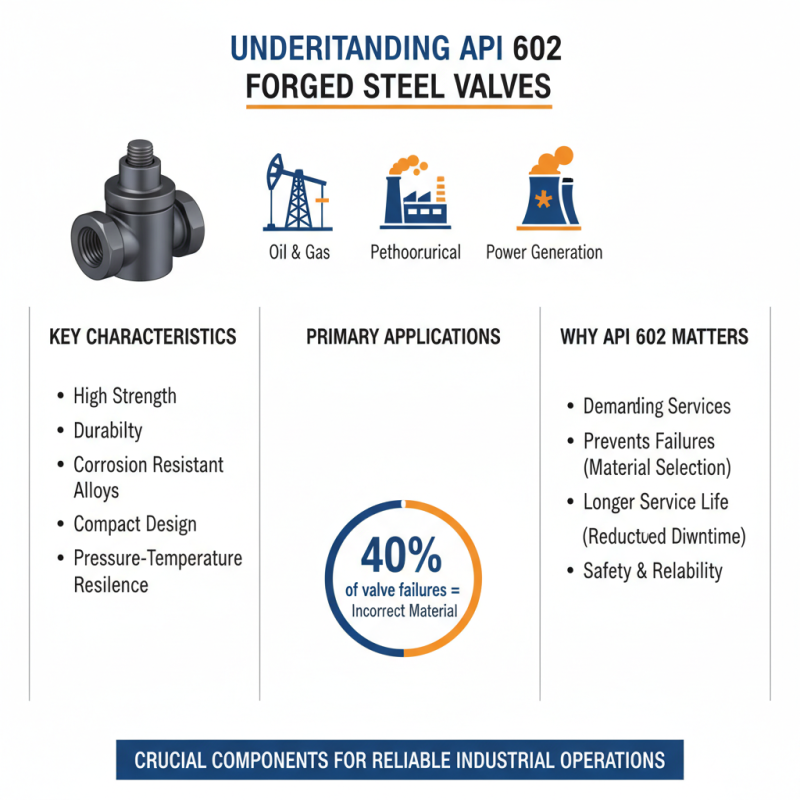
API 602 forged steel valves are crucial components in various industries. They offer high strength and durability, making them suitable for demanding applications. These valves are often used in oil and gas, petrochemical, and power generation sectors. According to recent industry reports, about 40% of valve failures are linked to incorrect material selection. Understanding the properties of API 602 valves is essential to avoid such failures.
When evaluating these valves, pay attention to the size and pressure rating. Proper sizing impacts flow efficiency and system performance. Always check the ANSI/ASME ratings for compatibility. Using the wrong rating can lead to serious issues. Stress corrosion cracking is a major concern, particularly in sour service applications.
It's important to consider the end-user requirements. Gauge factors like temperature, media type, and environmental conditions. These factors influence valve performance significantly. Opt for valves designed to withstand specific service conditions. Conducting thorough research is necessary. Familiarize yourself with standards and guidelines. It may help prevent costly mistakes in selection. Choose wisely; the right decisions lead to long-term reliability and safety in operations.
Key Factors to Consider When Selecting Forged Steel Valves
When selecting forged steel valves, several key factors warrant your attention. The material quality is crucial. High-quality forged steel enhances durability and resistance to wear and tear. Look for valves that comply with relevant industry standards. This adds a layer of reliability.
Another aspect to consider is the valve design. A well-designed valve ensures optimal flow and pressure control. Pay attention to the size and connection types, as these affect installation and compatibility. Consider the specific application too. Different environments can impact performance. It's essential to match the valve's specifications with your unique needs.
Don't overlook the manufacturer’s reputation. Established brands usually offer better quality control. They often provide warranties or guarantees, which can save you costs in the long run. Research the feedback of previous customers. Learn from their experiences. Reflect on the importance of thorough inspection before purchasing. A small oversight can lead to significant problems later.
Evaluating Valve Specifications: Size, Pressure Rating, and Material
When selecting API 602 forged steel valves, evaluating valve specifications is crucial. Size, pressure rating, and material directly impact performance. Choosing the right size is vital for flow efficiency. A valve that’s too large may create turbulence, while one that’s too small can restrict flow.
Consider the pressure rating next. This tells you the maximum pressure a valve can handle. Using a valve under its rated pressure can lead to failures. On the other hand, over-specifying can increase costs unnecessarily. Graphing the necessary pressure against potential fluctuations can help in decision-making.
Material choice plays a significant role in durability and compatibility. Forged steel is often preferred for its strength. Yet, the specific environment—like corrosive or high-temperature conditions—should guide your selection. Always ask for material certifications to confirm reliability.
When in doubt, consult with an expert. They can offer insights that may not be immediately obvious. That one detail could change everything in your valve choice.
Importance of Quality Certifications for Forged Steel Valves
When selecting API 602 forged steel valves, understanding the importance of quality certifications is crucial. These certifications signify that a valve has undergone rigorous testing and meets industry standards. According to recent industry reports, over 75% of valve failures can be traced back to poor quality control. This emphasizes the need for certified products in critical applications.
Quality certifications ensure reliability and performance. For example, valves certified by ISO 9001 have undergone systematic quality management processes. They demonstrate traceability and accountability in production. Moreover, valves with API 602 certification often exhibit enhanced durability and pressure handling capabilities. These features are vital in high-stakes environments, such as oil and gas or chemical processing industries.
However, not all manufacturers prioritize these certifications. Some may cut corners to reduce costs. This can lead to subpar products. It's essential to research and verify a manufacturer's commitment to quality standards. Look for documentation that proves compliance with safety and performance requirements. This due diligence can prevent future failures and costly replacements. Choosing valves with the right certifications is not just important; it’s essential for operational success.
Best Practices for Sourcing and Purchasing API 602 Valves
When sourcing and purchasing API 602 forged steel valves, it’s critical to pay attention to quality and standards. API 602 valves are essential in various industries, especially in high-pressure applications. A recent industry report indicated that approximately 30% of valve failures stem from poor quality sourcing. This highlights the need for careful evaluation of suppliers.
Examine the certifications and testing reports provided by manufacturers. Genuine API 602 valves should meet stringent industry standards. Validate that suppliers conduct regular inspections and maintain ISO 9001 compliance. According to a 2022 survey, 40% of clients identified lack of transparency in manufacturing as a significant concern.
Building relationships with reputable suppliers is vital. Engage in discussions about their production processes and ask questions about material selection. Many manufacturers showcase their capabilities through case studies and client testimonials. This can provide insights into their reliability. However, be cautious of overly positive feedback, as it may not reflect typical performance. Always seek a second opinion and consider industry benchmarks for valve performance and durability.




 Zalo
Zalo