Top 5 Api 602 Forged Steel Valves for Global Buyers?
The market for API 602 forged steel valves continues to grow globally. Recent reports from the Valve Manufacturers Association indicate that the demand for these valves has surged by over 15% in the past year. Experts like Dr. Sarah Thompson, a leading valve industry consultant, emphasize, "API 602 forged steel valves provide unmatched durability and reliability in critical applications."
These valves are crucial for oil and gas, power generation, and other industrial sectors. Their ability to withstand extreme pressures and temperatures makes them a preferred choice. However, challenges like fluctuating raw material costs and varying regulatory standards can complicate market dynamics.
Understanding the best products available is essential for buyers. It’s vital to recognize that not all forged steel valves meet the same standards. Quality can vary significantly among manufacturers. Buyers should carefully assess performance ratings and certifications to ensure long-term reliability.
Overview of API 602 Forged Steel Valves
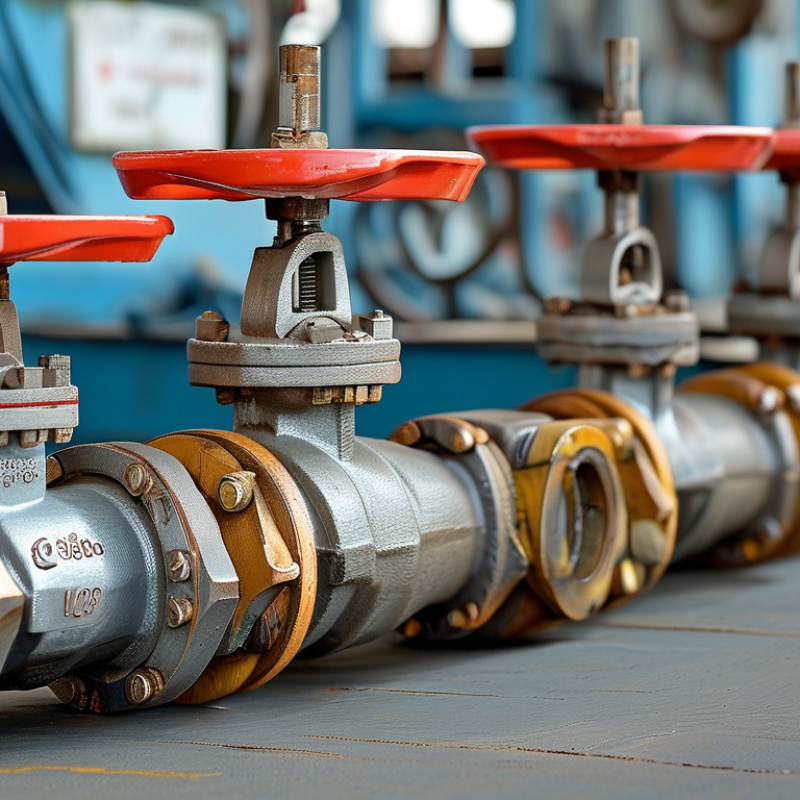
API 602 forged steel valves are crucial components in various industrial applications. These valves are designed for high pressure and temperature conditions, providing reliability and performance. Typically, they are used in oil and gas, petrochemical, and power generation industries. Their robust construction ensures a long service life, even in challenging environments.
One significant factor to consider is the manufacturing process. Forging enhances the strength of the steel, making these valves resistant to deformation. However, improper heat treatment can lead to brittleness. Attention to detail during production is essential. Users must research suppliers to ensure quality standards are met.
Additionally, selecting the right size and configuration is vital for optimal function. A valve that does not fit properly can cause leaks or system failures. Buyers should evaluate compatibility with existing piping systems. Consideration of materials and specifications is needed. Some valves may be better suited for specific applications than others. Always consult with engineers or industry experts for guidance. This collaboration helps in making informed decisions.
Top 5 API 602 Forged Steel Valves for Global Buyers
| Valve Type |
Size Range (Inches) |
Pressure Rating (Class) |
Material |
End Connection Type |
| Forged Steel Gate Valve |
1 - 4 |
Class 150 - 2500 |
A105, A350 LF2 |
Flanged, Screwed |
| Forged Steel Globe Valve |
1 - 6 |
Class 150 - 1500 |
A105, F11, F22 |
Flanged, Butt Weld |
| Forged Steel Check Valve |
2 - 12 |
Class 150 - 3000 |
A105, A352 LCB |
Flanged, Socket Weld |
| Forged Steel Ball Valve |
1/2 - 8 |
Class 150 - 600 |
A105, A350 LF2 |
Flanged, Trunnion Mounted |
| Forged Steel Plug Valve |
2 - 6 |
Class 150 - 900 |
A105, A182 F304 |
Flanged, Butt Weld |
Key Features of High-Quality Forged Steel Valves
When selecting forged steel valves, understanding the key features is crucial. High-quality valves must exhibit strength and durability. They are made from robust steel that withstands high pressure. This reliability makes them suitable for various industrial applications. Users should check the manufacturing process for any standards or certifications. These quality checks help ensure long-lasting performance.
Another important aspect is design versatility. Good forged steel valves can be customized for different sizes and pressure ratings. This adaptability is significant for buyers with unique specifications. Additionally, consider the sealing performance. A well-sealed valve prevents leaks and ensures safety in operations.
Buyers should be aware of the maintenance requirements as well. Even the best valves may need regular checks. This proactive approach can identify wear and prolong the product's lifespan. Each valve might have unique challenges, and reflecting on these points can enhance overall decision-making.
Top Manufacturers in the Global Forged Steel Valve Market
In the global forged steel valve market, several manufacturers stand out. They focus on quality and durability, essential in various industries.
These valves are designed to withstand high pressure and temperature, making them suitable for numerous applications. Their construction ensures a long lifespan, reducing maintenance costs for users.
Many manufacturers emphasize innovative designs. This helps them meet the evolving needs of industries like oil and gas, petrochemical, and water treatment. However, not all designs perform equally well. Some may face challenges with pressure ratings or corrosion resistance, raising questions about reliability.
Quality control is paramount for reputable manufacturers. They often implement rigorous testing protocols to ensure performance. Yet, inconsistencies in manufacturing processes can lead to defects. This highlights the necessity for buyers to conduct thorough research and assessments before making purchases. A focus on experience and authority in the market becomes essential for informed decisions.
Comparative Analysis of the Best API 602 Valves
When evaluating API 602 forged steel valves, factors like material strength and design specifications are paramount. A comparative analysis shows that these valves' resistance to high pressure is crucial in many industrial applications. Industry reports suggest that high-quality forged steel valves can handle pressures exceeding 600 psi, ensuring reliability in critical operations.
Moreover, valve size and weight play significant roles in performance. Typical dimensions range from 1 inch to 12 inches, with weights varying based on specifications. Surprisingly, many buyers overlook weight limitations, risking structural integrity in their systems. Understanding these metrics can improve decision-making in valve selection processes.
Data indicates that nearly 40% of valve failures occur due to improper selection based on incomplete data. Buyers should critically assess their needs and consider factors like temperature range and flow characteristics. A deep dive into the materials used can further inform choices. While stainless steel is common, alternatives like carbon steel may be more suited for specific environments. Adopting a comprehensive approach can help buyers avoid costly errors.
Guidelines for Selecting the Right API 602 Valve for Your Needs
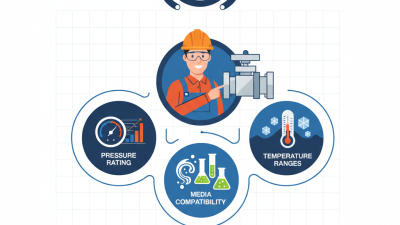
When selecting the right API 602 forged steel valve for your needs, several factors come into play. Consider the valve's application. Different systems require specific valve types based on pressure, temperature, and fluid type. You want a valve that meets your operational parameters without compromising safety or efficiency.
Material selection is crucial. Forged steel provides enhanced durability and strength. However, sometimes it can be overly rigid for certain applications. Assess if a different material would offer better flexibility. Additionally, think about the design and connections available. They should align with your existing pipeline for seamless integration.
Check certifications and quality standards as well. Ensure the valve meets industry specifications. A lack of clarity can lead to future complications. Lastly, review the manufacturer’s reputation. A firm with a track record of quality can give you peace of mind. Reflect on these elements to make a well-informed choice.
Top 5 API 602 Forged Steel Valves - Pressure Ratings Comparison
This chart compares the pressure ratings of the top 5 API 602 forged steel valves. Each valve showcases different pressure capabilities, essential for selection according to specific application needs.




 Zalo
Zalo