Top 5 Tips for Buying Bs 5163 Non-Rising Stem Gate Valves?
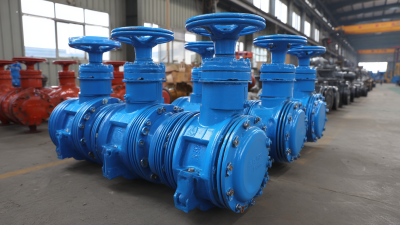
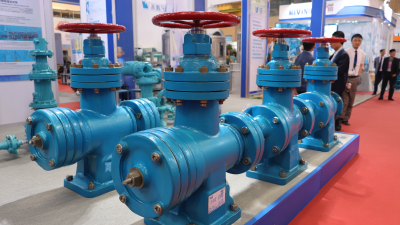
When it comes to selecting the right Bs 5163 Non-Rising Stem Resilient Seated Gate Valves, making informed choices is paramount. These valves play a crucial role in controlling fluid flow in various piping systems. Understanding their specifications can significantly impact system performance.
Many users overlook key features that define the quality of these valves. High-quality materials and robust construction enhance their durability. Pay attention to details like sealing mechanisms and operating pressures. Knowledge of these factors ensures reliability and longevity.
Choosing the right valves also involves understanding the application environment. Factors such as temperature and fluid type affect valve performance. Reflecting on your specific needs can help in making the best decision. This guide aims to enhance your purchasing experience.
Key Features to Consider When Purchasing BS 5163 Non-Rising Stem Gate Valves
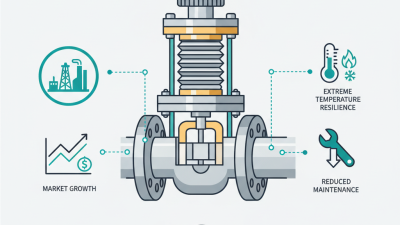
When selecting BS 5163 non-rising stem gate valves, several key features deserve attention. These valves are widely used in water supply and industrial systems. According to a recent report from the Global Valve Market Analysis, the demand for gate valves is projected to grow by 6.3% annually. Understanding these features can aid in making informed decisions.
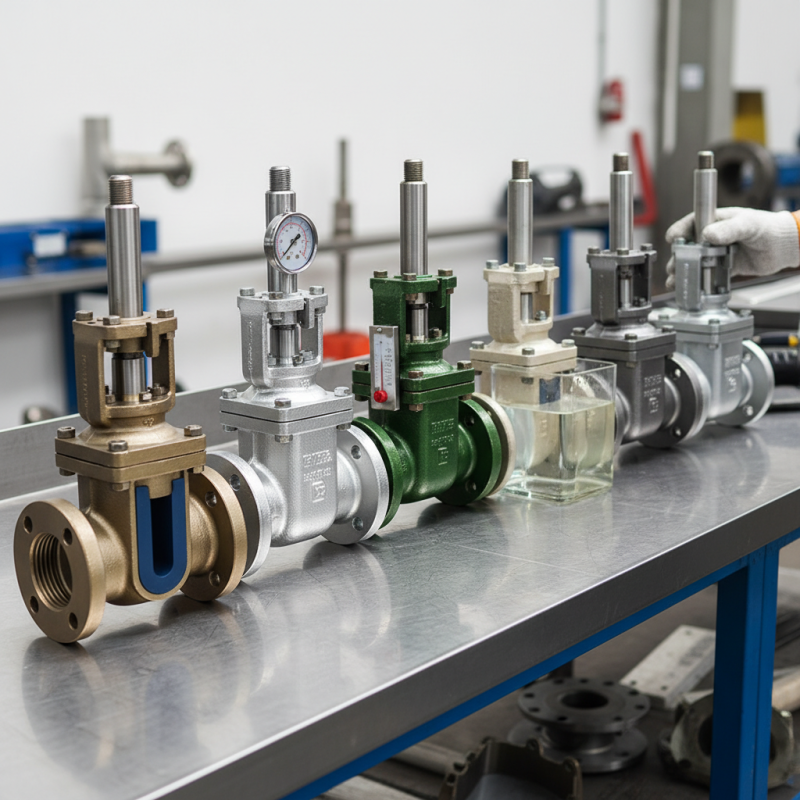
Material choice is crucial. Typically, these valves are made from ductile iron or carbon steel. Ductile iron offers excellent strength and corrosion resistance, leading to longer service life. The valve's pressure rating, usually classified as PN10 or PN16, impacts its suitability for different applications. Ensuring compatibility with system pressure is vital.
Another critical aspect is the valve's sealing performance. A well-designed sealing mechanism prevents leakage during operation. Industry studies indicate that valves with superior sealing can reduce maintenance costs by up to 30%. Moreover, consider the ease of operation. Non-rising stem designs are advantageous in tight spaces. However, they may require more precise installation to function correctly. Balancing these elements can significantly influence operational efficiency.
Understanding Material Choices for Durability and Performance
When selecting BS 5163 non-rising stem gate valves, the choice of material is crucial. Different materials offer varying levels of durability and performance. For instance, ductile iron is known for its strength and resistance to wear. However, it may not perform as well in corrosive environments. Cast steel valves, on the other hand, are often preferred for high-pressure applications due to their resilience.
Another option is stainless steel, which excels in corrosion resistance. This makes it ideal for pipelines carrying aggressive fluids. Yet, stainless steel can be more expensive and may not be necessary for all applications. It's essential to assess the specific conditions the valve will face. Consider factors like temperature, pressure, and fluid type. This evaluation can help prevent overspending on materials that may not be required.
The manufacturing process also plays a role in durability. The machining and finishing of the valve can impact its long-term performance. Sometimes, a valve may look good on paper but fail in real-world conditions. Doing thorough research and consulting with experts can help to identify the best material for your needs. Keep in mind that proper installation and maintenance are just as important as the material choice.
Evaluating Size and Pressure Ratings for Optimal Functionality
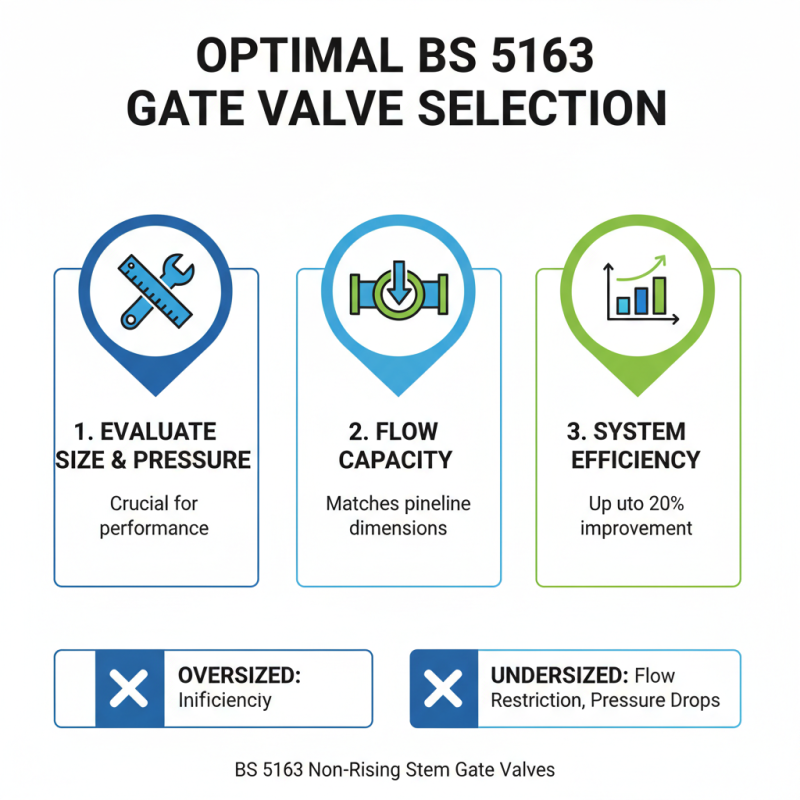
When selecting Bs 5163 non-rising stem gate valves, evaluating size and pressure ratings is crucial. A valve's size directly impacts flow capacity. Oversized valves lead to inefficiencies, while undersized options can restrict flow, causing pressure drops. According to industry reports, optimal size selection can enhance system efficiency by up to 20%. Understanding your pipeline dimensions is essential for selecting the right valve.
Pressure ratings are equally important. They indicate the maximum pressure the valve can handle. Failing to adhere to these ratings may result in severe failures. Industry data reveals that nearly 25% of valve failures stem from neglecting pressure specifications. This underscores the importance of proper evaluation. Miscalculations can lead to costly repairs and downtime.
Consider performing a thorough analysis of the system before purchasing. Examine your specific application requirements. Take into account factors like temperature, fluid characteristics, and potential pressure surges. It's wise to consult with industry experts if you are uncertain. Their insights can help steer clear of potential pitfalls. Remember, precision in your selections can lead to improved durability and reliability in your operations.
Assessing Manufacturer Reputation and Industry Standards Compliance
When purchasing BS 5163 Non-Rising Stem Gate Valves, the manufacturer's reputation plays a crucial role. Look for firms that have established themselves in the industry. A strong history often indicates reliability and good practices. Research their past projects and client feedback. This will provide insights into their quality of products and services. Trustworthy manufacturers usually have a solid track record.
Also, check if the manufacturer complies with industry standards. Compliance ensures that their products meet safety and performance benchmarks. Certifications like ISO can be indicators of quality. Inspect the materials used, as high-grade components contribute to longevity. Engaging with industry professionals can yield valuable recommendations. Consider their experiences when assessing a manufacturer’s credibility. Reflect on your findings and weigh them against your requirements. It’s essential to choose wisely.
Manufacturer Reputation and Compliance Ratings for Bs 5163 Non-Rising Stem Gate Valves
Tips for Installation and Maintenance of BS 5163 Non-Rising Stem Gate Valves
When installing BS 5163 non-rising stem gate valves, proper planning is essential. Ensure the valve is suitable for the pipeline system. Review the manufacturer's specifications for pressure ratings and material compatibility. Tight spaces can complicate installation. Measure carefully to avoid misalignment. Take care to position the valve correctly before securing it.
Maintenance is equally important to ensure longevity. Regular inspection can identify wear or damage early. Check the seals for leaks and the valve’s operation. Lubrication is necessary to prevent rust and ensure smooth movement. However, over-lubrication can attract dirt, leading to more problems. It’s worthwhile to keep a maintenance log for tracking repairs and replacements. Recognizing imperfect conditions can also help in planning future improvements. Discarding damaged valves promptly can prevent downstream issues.




 Zalo
Zalo