How to Choose Forged Steel Gate Valves for Your Industrial Needs?
Choosing the right Forged Steel Gate Valves is critical for industrial operations. These valves are essential in controlling flow in pipelines across various sectors, including oil and gas, water treatment, and power generation. According to recent industry reports, the global demand for forged steel valves is projected to grow by over 5% annually through 2028. This underscores the importance of selecting high-quality products that can withstand high pressure and temperature.
When evaluating Forged Steel Gate Valves, one must consider factors like materials, pressure ratings, and design standards. A poorly chosen valve can lead to costly disruptions and safety risks. Industry experts often stress the need for comprehensive evaluations based on application specifics. The absence of a meticulous selection process can result in diminished operational efficiency.
Additionally, it’s vital to partner with reputable manufacturers. Research indicates that quality assurance practices significantly impact valve performance and longevity. While many options exist, not all meet stringent performance standards. Hence, understanding the characteristics that define a reliable Forged Steel Gate Valve is paramount for ensuring lasting success in industrial applications.
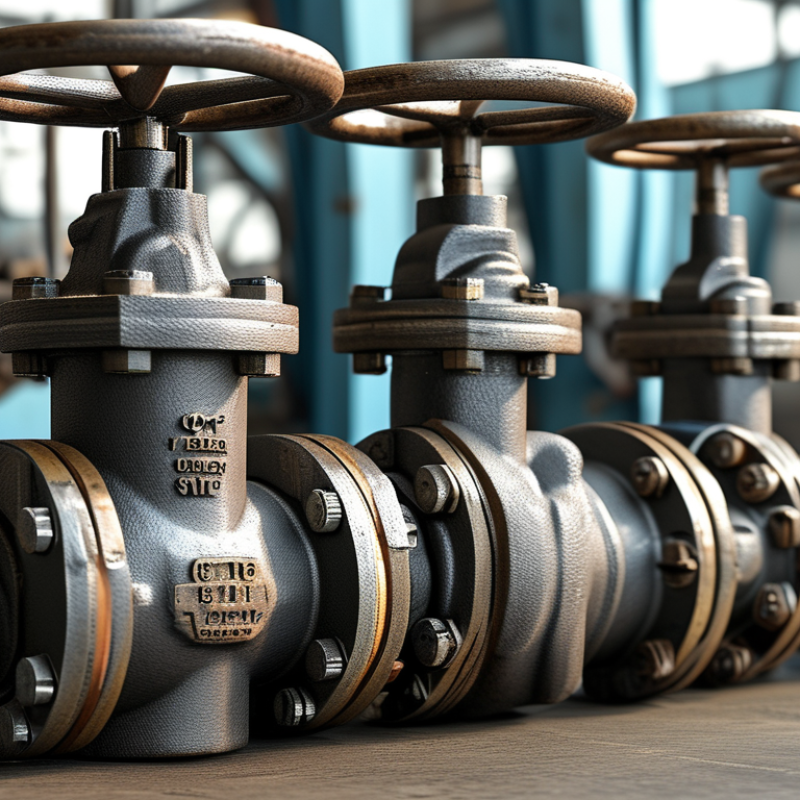
Understanding the Basics of Forged Steel Gate Valves
Forged steel gate valves are crucial in various industrial applications. Understanding their basics helps in making informed choices. These valves provide reliable sealing and control over high-pressure systems. Their design involves a solid construction that enhances durability.
When selecting forged steel gate valves, consider the materials. Different grades of steel influence strength and corrosion resistance. These valves are typically used in water, oil, and gas industries. The right choice can prevent costly leaks or system failures.
However, every option has its drawbacks. Some forged steel gate valves may not suit extreme temperatures. Others might face challenges in specific chemical environments. It's essential to assess the operational conditions carefully. Engaging with professionals can provide insights and reduce uncertainties in your selection process.
Key Factors to Consider When Selecting Gate Valves
When selecting forged steel gate valves for industrial applications, several key factors must be considered. The material is crucial; it should withstand high pressure and temperature. Forged steel is highly durable and offers excellent resistance. This is particularly important in harsh environments.
Another factor is the size and type of valve. These should match the piping system requirements. An incorrect size can lead to operational inefficiencies. You need valves that provide a tight seal to prevent leaks. Even minor leaks can cause major issues in industrial settings.
It is also essential to evaluate the valve design. A simple, reliable design can enhance performance. However, complexity may be required in specific applications. Always consider long-term maintenance. Maintenance needs can impact operational costs. Choosing a valve that requires less frequent maintenance may be more cost-effective.
Comparison of Key Factors in Choosing Forged Steel Gate Valves
Evaluating Material Specifications and Standards
When selecting forged steel gate valves, understanding material specifications and standards is crucial. The American Society for Testing and Materials (ASTM) provides guidelines for material quality. For instance, ASTM A105 and A182 are commonly used standards for forged steel. They dictate mechanical properties and chemical composition, ensuring durability and performance.
It's essential to consider pressure rating and temperature limits specified in the ASME B16.34 standard. Forged steel valves typically accommodate higher pressures than their cast counterparts. This is vital for industries handling steam, gas, or liquids at varying temperatures. An incorrect rating could lead to failures, impacting safety and operations.
Tip: Always check if the valve meets the necessary industry standards.
Furthermore, proper testing methods, such as ultrasonic and magnetic particle inspections, ensure valve integrity. These tests reveal material abnormalities that could compromise valve performance. Industry reports indicate that nearly 30% of valve failures are linked to manufacturing defects.
Tip: Conduct regular inspections to maintain quality control.
Incorporating reliable materials and adhering to established standards significantly enhances operational safety and efficiency. Manufacturers should remain vigilant about any deviations or updates to standards, as these can directly affect valve selection and application.
How to Choose Forged Steel Gate Valves for Your Industrial Needs? - Evaluating Material Specifications and Standards
| Specification |
Standard |
Material |
Operating Pressure (MPa) |
Temperature Range (°C) |
| Class 150 |
ASME B16.34 |
A216 WCB |
2.1 |
-29 to 400 |
| Class 300 |
ASME B16.34 |
A216 WCB |
4.7 |
-29 to 400 |
| Class 600 |
ASME B16.34 |
A352 LCB |
6.3 |
-29 to 400 |
| Class 900 |
ASME B16.34 |
A350 LF2 |
9.0 |
-46 to 450 |
Assessing Pressure and Temperature Ratings for Application
When selecting forged steel gate valves, understanding pressure and temperature ratings is crucial. These valves are designed for high-stress environments, often operating under extreme pressure conditions. A recent industry report indicates that over 40% of valve failures are linked to pressure miscalculations. Ensuring you select valves that meet or exceed the required pressure limits is essential to avoid costly downtime.
Temperature ratings also play a significant role. Forged steel valves are typically rated for thermal conditions from -20°F to 1,200°F. A reputable study from the American Society of Mechanical Engineers (ASME) highlights that operating outside these ranges can lead to material degradation or catastrophic failure. Operators must assess their operational temperatures carefully, as slight deviations can have significant consequences.
Taking both pressure and temperature into account can be challenging. Engineers sometimes overestimate valve capabilities, leading to potential risks. It’s crucial to reference certified industry standards, like ASME or API, to verify that chosen valves suit your application. A thorough understanding can prevent unexpected challenges in critical operations.
Maintenance and Reliability of Forged Steel Gate Valves
Maintaining the reliability of forged steel gate valves is essential for industrial applications. These valves play a critical role in controlling fluid flow. Their durability is often challenged by various operational conditions, including pressure fluctuations and temperature extremes. Regular inspection is crucial. Look for signs of wear or corrosion during maintenance checks.
Maintenance involves proper lubrication and occasional adjustments. Without regular checks, small issues can escalate. For instance, a valve that sticks may lead to increased downtime. Operators should be trained to spot unusual sounds or movements in the valve. Knowledge of the valve's operation can improve overall system reliability.
Additionally, training staff is vital. A well-informed team can tackle maintenance tasks effectively. However, relying solely on manuals can lead to oversights. Each valve may behave differently based on its environment. Establishing a consistent maintenance schedule is beneficial, yet flexibility is equally important. Reflecting on past maintenance issues can guide future practices, enhancing the longevity and performance of forged steel gate valves.




 Zalo
Zalo