2026 How to Choose Api 602 Forged Steel Valves for Your Needs?
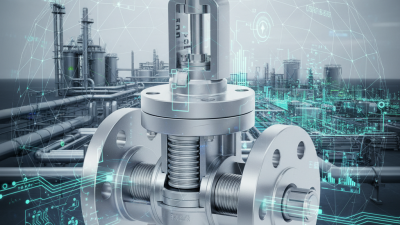
Choosing the right API 602 forged steel valves is crucial for many industries. These valves are known for their strength and durability. They are often used in high-pressure and high-temperature applications, making them reliable choices.
When selecting API 602 forged steel valves, consider your specific requirements. Assess factors such as pressure ratings, size, and temperature limits. The right valve can enhance the efficiency of your system. On the other hand, a poor choice may lead to leaks or failures. Understanding these details is essential.
Experience plays a key role in making informed decisions. Consulting industry experts can provide valuable insights. It might be tempting to focus only on cost. However, this could lead to long-term issues. Take the time to weigh all factors carefully. Making a well-informed choice can save you time and resources in the future.
Understanding API 602 Forged Steel Valves and Their Applications
API 602 forged steel valves play a crucial role in various industries, including oil and gas, petrochemical, and power generation. Understanding their applications can help engineers and procurement professionals make informed choices. These valves, known for their strength and durability, function well under high pressure and temperature. They are typically used in severe service conditions where leakage prevention is critical.
When selecting API 602 valves, consider the specific requirements of your project. Factors such as pressure ratings, temperature ranges, and fluid characteristics are essential. Some applications may demand higher corrosion resistance or particular end connections. It’s essential to evaluate the materials used in the valve design, as well. Forged steel often provides better mechanical properties compared to cast alternatives, but not all forged valves meet API standards.
Despite their advantages, API 602 valves may not be suitable for every application. They can be expensive and may require more maintenance than other types. Additionally, some users might overlook the importance of proper installation and operation. Misunderstandings in these areas can lead to premature failures. It’s essential to assess both the benefits and potential drawbacks of these valves to ensure they meet your operational needs.
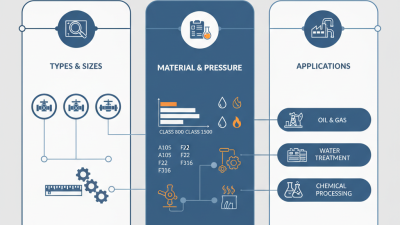
API 602 Forged Steel Valves Usage by Industry in 2026
Key Factors to Consider When Selecting Forged Steel Valves
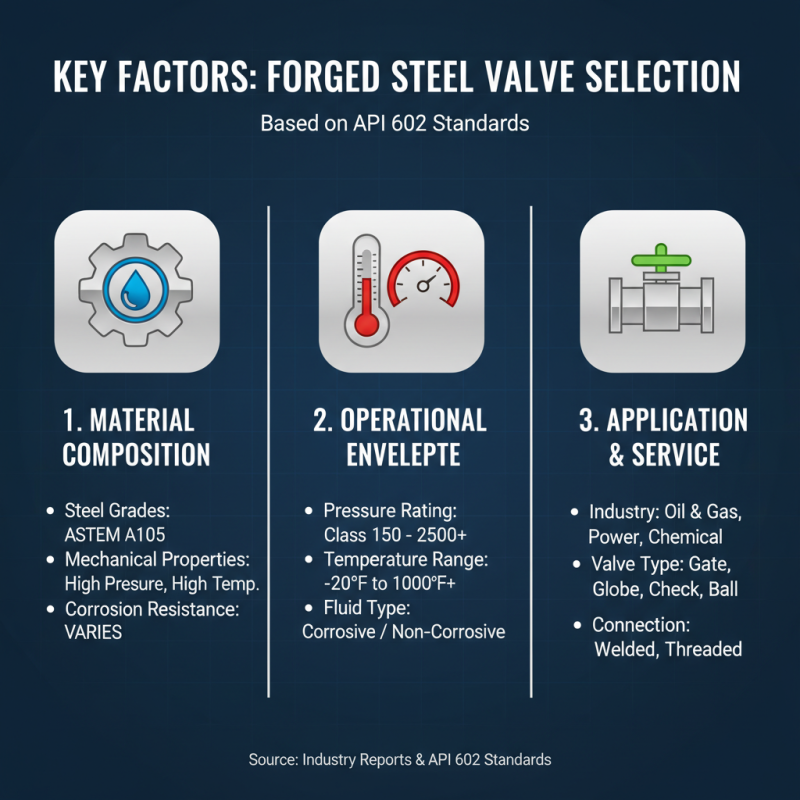
When selecting API 602 forged steel valves, it's crucial to consider key factors that can impact your operations. The material composition of the valve affects its performance. Steel grades like ASTM A105 and ASTM A182 are commonly used, offering good mechanical properties. According to industry reports, valves made from these materials can withstand high pressures and temperatures, but their ability to resist corrosion varies.
The design of the valve also plays a significant role. The valve type—such as globe, gate, or check—will influence your system's efficiency. A study by the Valve Manufacturers Association indicates that proper valve selection can reduce operational costs by 20%. Pay attention to the flow characteristics and pressure drop. These factors can directly impact system performance.
Finally, reliability cannot be overlooked. Testing certificates and manufacturing standards should be thoroughly reviewed. Quality assurance practices help ensure valves meet industry criteria. Some reports suggest that about 10-15% of valve failures are due to poor quality. Such failures can lead to costly downtimes. Reflecting on these aspects will guide you in making informed decisions for your specific needs.
The Importance of Material Quality in Valve Selection
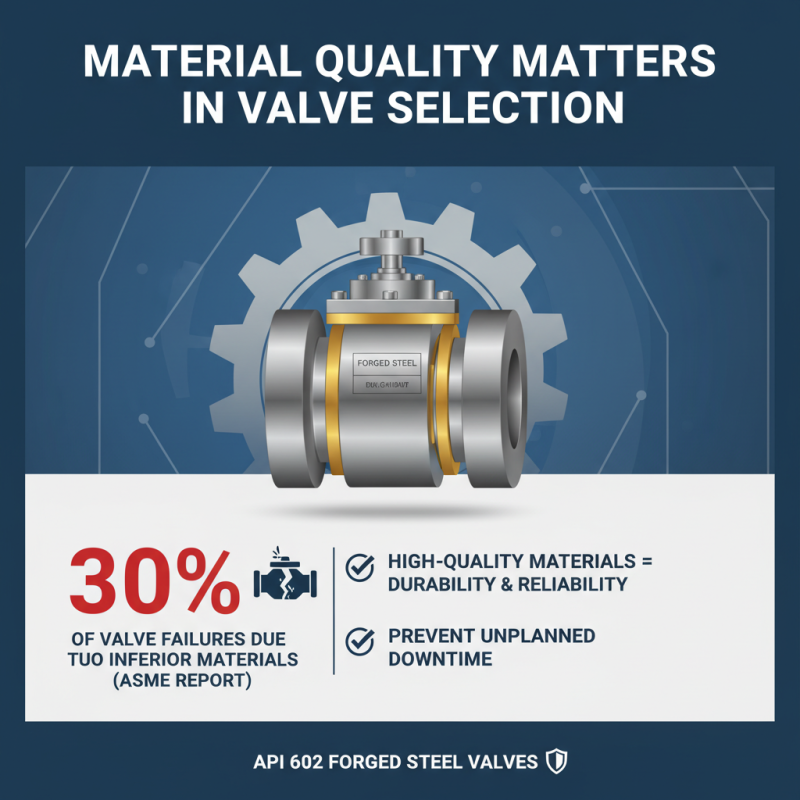
When selecting API 602 forged steel valves, understanding the quality of materials is crucial. High-quality materials ensure durability and reliability in various applications. According to a report by the American Society of Mechanical Engineers (ASME), over 30% of valve failures are linked to inferior material choices. This highlights the importance of proper selection in preventing unexpected downtime.
Often, buyers overlook the impact of corrosion resistance and tensile strength. Valves made from higher-grade steel alloys exhibit better performance in harsh environments. For instance, the ASTM A105 standard denotes carbon steel that meets stringent mechanical properties, enhancing its overall resilience. A thorough assessment of material specifications can significantly reduce operational risks.
Tips: Always request material certification from suppliers. This ensures that the valves meet regulatory standards. Perform regular inspections on installed valves, as wear may not be immediately visible. Remember, even a small defect can lead to larger issues down the line. Prioritizing material quality now can save costs later.
Common Industries and Use Cases for API 602 Forged Steel Valves
API 602 forged steel valves are critical components in various industries. These valves are known for their durability and high performance under pressure. Applications span across oil and gas, petrochemical, and power generation sectors. According to a recent report by Global Market Insights, the demand for forged steel valves is projected to grow at a CAGR of 6.5% from 2023 to 2030.
In the oil and gas industry, these valves manage high-pressure fluids. They enable efficient flow control in pipelines. Forged steel's strength reduces the risk of leaks, enhancing safety. A study from the American Society of Mechanical Engineers notes that leaks entail millions in costs and environmental damage. Thus, selecting the right valve can have significant operational and financial implications.
In petrochemical plants, forged steel valves withstand corrosive materials. Their resilience ensures uninterrupted workflow. The power generation sector relies heavily on these valves for steam control. Data from the U.S. Energy Information Administration indicates that steam systems account for roughly 60% of industrial energy consumption. Utilizing the correct valve type can optimize operational efficiency and reduce energy consumption.
Maintenance and Durability Considerations for Forged Steel Valves
When considering forged steel valves, maintenance is crucial for ensuring longevity and optimal performance. Regular inspections help identify wear and tear. Over time, valves can develop leaks or seize up. Keeping up with these checks is essential. It ensures that any potential issues are detected early. Not all users prioritize this, which can lead to costly repairs.
Durability is another vital aspect. Forged steel valves are known for their strength. They often resist corrosion better than other materials. However, their lifespan can diminish in aggressive environments. High temperatures and harsh chemicals can degrade their integrity. It’s vital to understand the specific conditions in which your valves will operate. Choosing the right design for your application can minimize future problems.
Proper lubrication and cleaning should also be part of your maintenance routine. Simple steps can prevent significant issues down the road. However, many operators overlook this. Sometimes, it feels easier to neglect these processes. But, regular upkeep can save both time and money. Being proactive is key to maintaining forged steel valves effectively.
2026 How to Choose Api 602 Forged Steel Valves for Your Needs? - Maintenance and Durability Considerations for Forged Steel Valves
| Criteria |
Importance Level |
Maintenance Frequency |
Expected Lifespan |
| Material Quality |
High |
Annual |
15-20 years |
| Pressure Rating |
Medium |
Biannual |
10-15 years |
| Size Compatibility |
High |
As needed |
15 years |
| Corrosion Resistance |
High |
Every 6 months |
20 years |
| Ease of Maintenance |
Medium |
Annual |
10-12 years |




 Zalo
Zalo