Why Choose Api Bellows Sealed Gate Valves for Your Projects?
In the realm of industrial valve technology, selecting the right component can greatly influence project success. According to Dr. John H. Smith, an expert in fluid dynamics, “Api Bellows Sealed Gate Valves are crucial for preventing leaks in critical applications.” This emphasizes the reliability these valves offer in demanding environments.
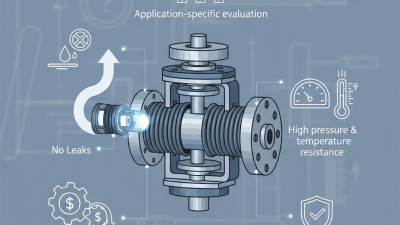
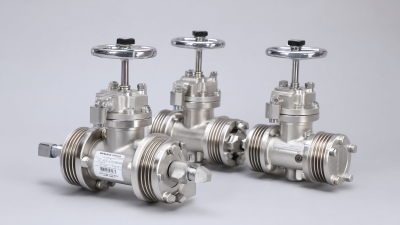
Api Bellows Sealed Gate Valves are noteworthy for their innovative design. They integrate a bellows seal, which eliminates the need for traditional packing. This results in minimal leakage and extended lifespan. Industries such as oil and gas, chemical processing, and water treatment often choose these valves for their durability and effectiveness.
However, there are considerations to weigh. While the initial investment may be higher, the long-term savings from reduced maintenance often outweigh these costs. Yet, not every application might benefit equally from Api Bellows Sealed Gate Valves. Assess your needs carefully before making a decision. These valves are not a one-size-fits-all solution, and understanding their limitations is essential for optimal performance.
Advantages of Using API Bellows Sealed Gate Valves
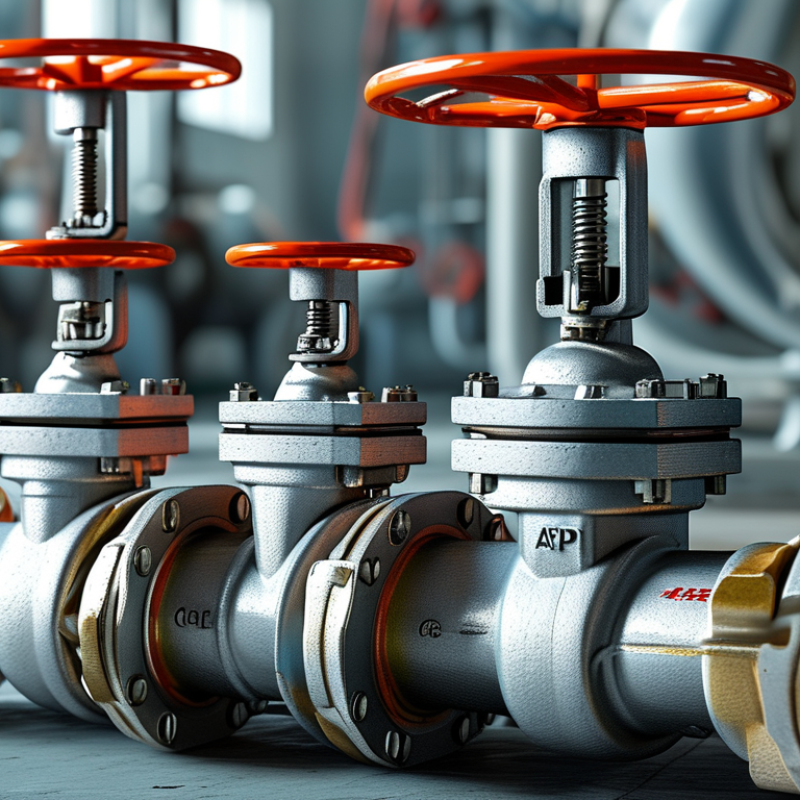
API bellows sealed gate valves offer several benefits that make them a smart choice for various projects. These valves are designed to prevent leakage through their unique bellows sealing mechanism. This feature enhances operational reliability and minimizes the risk of environmental contamination.
Another advantage lies in their durability. The materials used in these valves can withstand harsh conditions, ensuring longevity and reduced maintenance costs. They also operate smoothly under high pressure, which is essential in many industrial applications.
Tips: When selecting valves for your project, consider the specific conditions they will face. Think about pressure levels and potential corrosive elements. Proper selection ensures optimal performance and longevity.
API bellows sealed gate valves provide a robust solution. However, it’s crucial to assess your project’s specific requirements. Overlooking small details can lead to significant issues later. Each project has its nuances that affect valve performance and reliability.
Key Features of API Bellows Sealed Gate Valves
API bellows sealed gate valves are becoming increasingly popular in various projects due to their unique features. A critical advantage of these valves is their superior sealing capability. According to industry reports, up to 80% of leakage issues in standard gate valves stem from inadequate sealing. The bellows design addresses this problem by providing a robust barrier, effectively preventing any fluid escape.
Another notable characteristic is their resistance to corrosion. Many environments, such as chemical processing, pose significant challenges for standard materials. API bellows sealed gate valves often utilize high-quality alloys that demonstrate longevity and durability. Data from the Pipeline and Hazardous Materials Safety Administration shows that nearly 50% of maintenance issues in food and beverage industries are linked to valve corrosion. This emphasizes the need for reliable valve solutions to reduce overall maintenance costs.
Operational efficiency is another key feature. These valves are designed for quick actuation, improving workflow in processes where time is critical. A study published by the American Society of Mechanical Engineers noted that efficient valve operation could improve overall system performance by 30%. This highlights the critical role that robust valve design plays in project success, pushing engineers to re-evaluate their choices.
Why Choose Api Bellows Sealed Gate Valves for Your Projects? - Key Features of API Bellows Sealed Gate Valves
| Feature |
Description |
Benefits |
| Bellows Sealing |
Eliminates leakage by using a flexible metal bellows design. |
Increased reliability and reduced maintenance costs. |
| Durability |
Constructed with high-quality materials for longevity. |
Enhanced performance in demanding environments. |
| Temperature Resistance |
Effective in high and low-temperature applications. |
Versatile usage across varied industries. |
| Low Torque Operation |
Designed for ease of manual and automatic operation. |
Reduced operator fatigue and better control. |
| Maintenance-Free |
Minimal upkeep required due to robust design. |
Lower overall lifecycle costs. |
Applications of API Bellows Sealed Gate Valves in Various Industries
API bellows sealed gate valves are crucial in many industries. Their design minimizes the risk of leaks, making them ideal for sensitive applications. In oil and gas, for example, these valves prevent harmful substances from escaping. This helps protect the environment and ensures safety.
In the chemical industry, API bellows sealed gate valves maintain the integrity of hazardous materials. Their robust sealing system withstands extreme temperatures and pressures. This reliability translates to fewer maintenance needs and increased operational efficiency. The valves also offer excellent control over fluid flow, which is vital for precise chemical processes.
Tips: Always assess the specific requirements of your project. Consider temperature, pressure, and the type of fluid. Collaborating with experienced engineers can enhance your decision-making.
These valves can also serve the water treatment sector. They help maintain clean water supplies, contributing to public health. However, choosing the wrong size or type can lead to inefficiencies. It's essential to fit the valve specifications to your system.
Another consideration is installation. Improper installation can compromise the valve's effectiveness. Regularly reviewing installation procedures can mitigate potential issues. Consider training personnel to ensure the correct fitting and maintenance of the valves.
Applications of API Bellows Sealed Gate Valves in Various Industries
Comparison of API Bellows Sealed Gate Valves with Traditional Valves
When comparing API bellows sealed gate valves to traditional valves, several crucial factors emerge. API bellows sealed gate valves feature a unique design that provides superior leak prevention. The bellows act as a barrier, which reduces the risk of fluid leakage. According to industry reports, leakage rates in traditional valves can range from 5% to 20%. In contrast, bellows sealed designs can achieve leakage rates less than 0.1%. This significant difference can greatly enhance safety and efficiency in various applications.
Durability and maintenance are also essential considerations. Traditional valves often require frequent maintenance due to wear and tear. API bellows sealed gate valves, with their robust design, generally experience lower rates of failure. Data from the American Society of Mechanical Engineers (ASME) indicates that, on average, bellows valves have a lifespan of 15-20 years. However, traditional valves may need replacement or major repairs every 5-10 years. This long-term cost savings can be critical for project budgets.
While bellows sealed valves offer many advantages, they are not without challenges. They can be more sensitive to extreme temperatures and pressure fluctuations. Proper installation and monitoring are crucial to ensure optimal performance. Understanding these intricacies will lead to better decision-making for engineers and project managers. A careful evaluation of both types of valves ensures that the right choice is made for specific project needs.
Installation and Maintenance Tips for API Bellows Sealed Gate Valves
API bellows sealed gate valves offer unique advantages for various projects. They effectively minimize leakage while providing reliable operation. Proper installation and maintenance are crucial for maximizing their performance and lifespan.
To begin with, ensure precise alignment during installation. Misalignment can lead to premature wear or operational issues. Use proper tools to achieve the required torque when securing the valves. This helps maintain sealing integrity and avoids unnecessary stress on the components. It is also vital to inspect the installation area for debris. A clean surface aids in proper sealing and reduces the risk of damage.
When it comes to maintenance, regular inspections are essential. Check for signs of wear or corrosion on the bellows. Early detection can prevent leaks and costly repairs. It’s important to follow manufacturer guidelines for maintenance frequency. However, calibrating the maintenance schedule according to your specific application could yield better results. Unforeseen circumstances often dictate adjustments that might be necessary.
Lastly, document all maintenance activities. Keeping track of inspections and repairs helps identify patterns. These insights can improve future maintenance plans. Remember, even small lapses in upkeep can have significant impacts over time. Prioritizing diligence in both installation and maintenance goes a long way in ensuring efficiency and reliability.




 Zalo
Zalo