Best Din Globe Valves for Global Buyers Using Latest Standards?
In the pursuit of high-quality fluid control, the significance of Din Globe Valves has become increasingly evident. These valves, known for their reliability and efficiency, play a crucial role in various industries. Whether in water supply systems, chemical processing, or HVAC applications, Din Globe Valves are integral to maintaining optimal flow rates and pressure control.
However, selecting the best Din Globe Valves requires careful consideration. Buyers need to navigate complex specifications and material choices. The latest standards provide essential guidelines, yet the choices can feel overwhelming. Each application might demand unique features for peak performance.
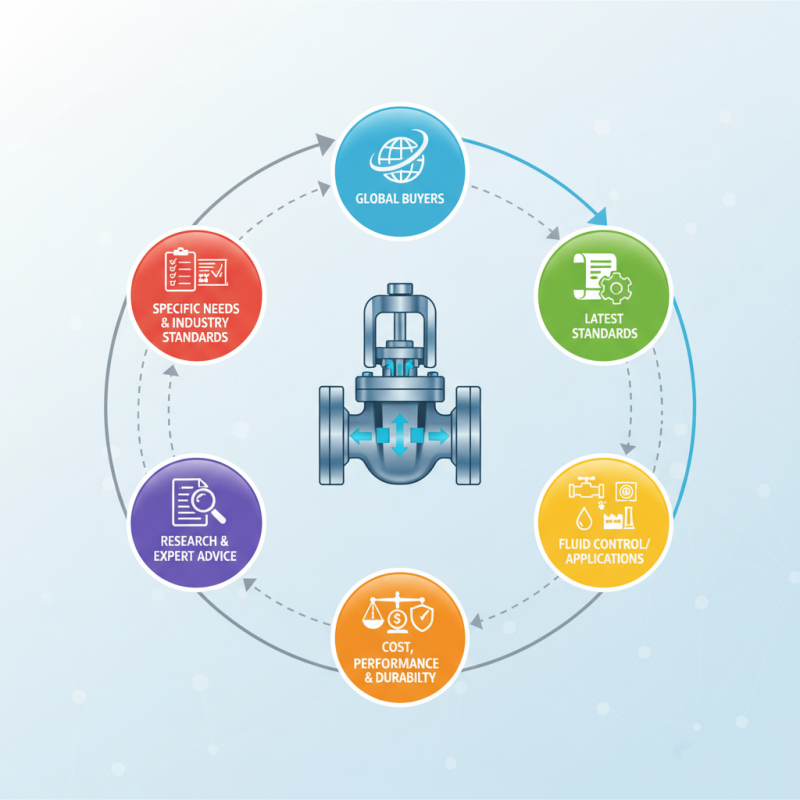
It is essential to balance cost, performance, and durability. Some products may appear promising on paper, but real-world performance can differ. Therefore, thorough research and expert advice are vital. Buyers should reflect on their specific needs and industry standards. This approach ensures the selection of Din Globe Valves that truly meet quality benchmarks while delivering reliable service.
Overview of Din Globe Valves and Their Importance in Global Markets
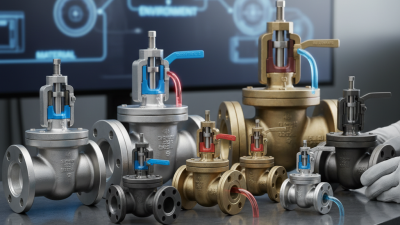
Din globe valves play a crucial role in various industrial applications across global markets. These valves are designed to regulate flow in pipelines, providing precise control over fluids. Their engineering allows for easy maintenance and operation, making them a preferred choice among engineers and technicians. However, with advancements in technology, there is a continuous need to adapt to new industry standards.
In many instances, buyers struggle to find the right specifications compliant with the latest regulations. The importance of using premium materials cannot be overstated, as this impacts performance and longevity. Yet, some buyers may overlook this aspect, leading to costly mistakes. Awareness of these standards is essential for ensuring safety and efficiency in operations.
The market is flooded with various options, making it overwhelming for global buyers. While some manufacturers prioritize quality, others focus on cost-cutting. This contrast can lead to confusion and dissatisfaction among users. Ensuring that a valve meets international quality certifications is vital. Buyers must invest time in research, as it ultimately affects their operations and reputation.
Key Standards and Specifications for Quality Din Globe Valves
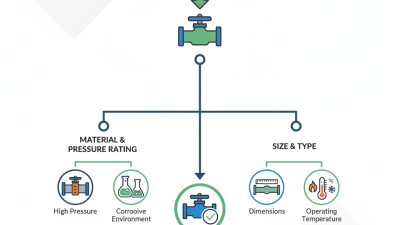
When selecting DIN globe valves, adhering to key standards is essential. These specifications ensure reliability and performance across various applications. Common standards include those set by ISO and ASME. These organizations provide guidelines for valve dimensions, materials, and testing methods. Manufacturers must prove compliance with these regulations. Quality testing is crucial to ensure each valve performs under pressure.
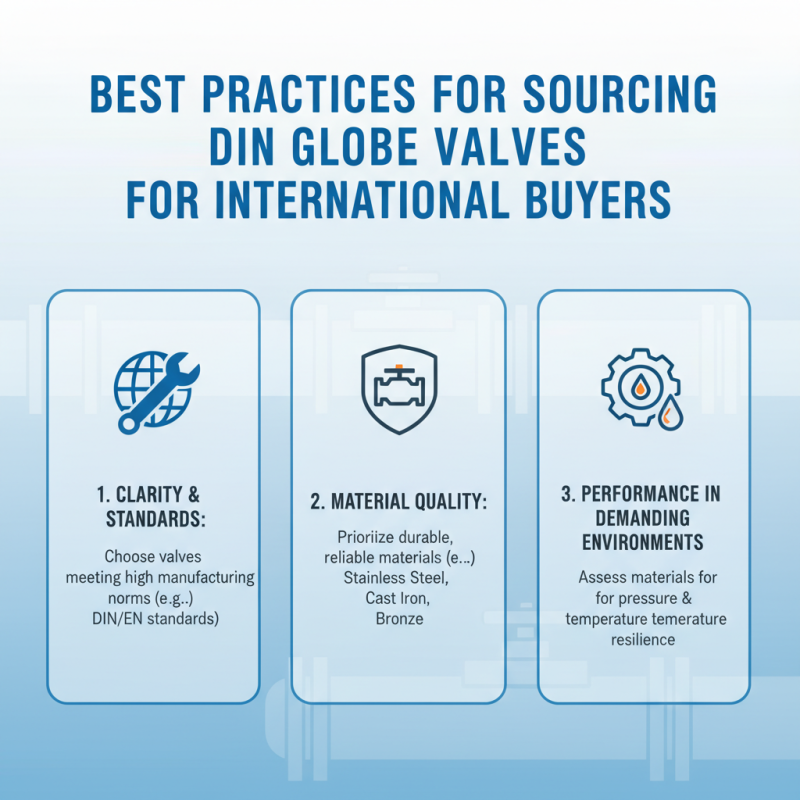
Material selection plays a significant role in valve quality. Common materials include stainless steel and brass. Each material has specific corrosion resistance and pressure ratings. Users must recognize that not all materials suit every application. Assessing the environment and media is important before making a choice.
Pressure rating is another vital factor. It determines the valve's ability to withstand stress. Lower-rated valves may fail under high-pressure conditions. Users often overlook this aspect, assuming all valves are created equal. Understanding the required pressure and selecting accordingly can prevent failures. Ultimately, informed decisions lead to better system reliability.
Best DIN Globe Valves Performance Comparison
Comparative Analysis of Leading Din Globe Valve Manufacturers
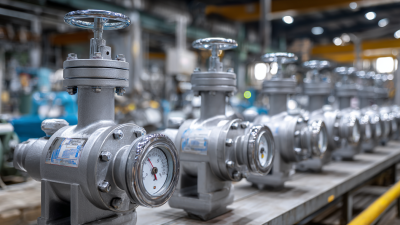
When selecting DIN globe valves, multiple manufacturers stand out in today's global market. It's essential to assess their offerings based on key criteria such as materials used, design standards, and durability. By focusing on these elements, buyers can navigate through various options more effectively.
Tips: Always consider the specific application of the valve. Match the material to the fluid type. Check for compatibility with your system.
Leading manufacturers often demonstrate commitment to quality. A well-constructed valve ensures longevity and reliability. However, not all manufacturers maintain consistent standards. Some products may fall short in performance based on user feedback.
Tips: Look for certifications that validate a manufacturer's claims. Requesting samples can also provide insight into real-world performance.
Moreover, some manufacturers prioritize speed over quality, leading to potentially flawed designs. It's vital to balance cost with performance metrics. Research and comparisons can reveal essential differences in product efficiency and lifecycle costs.
Tips: Engage with the user community for reviews and recommendations. Their experiences can guide informed decisions for your applications.
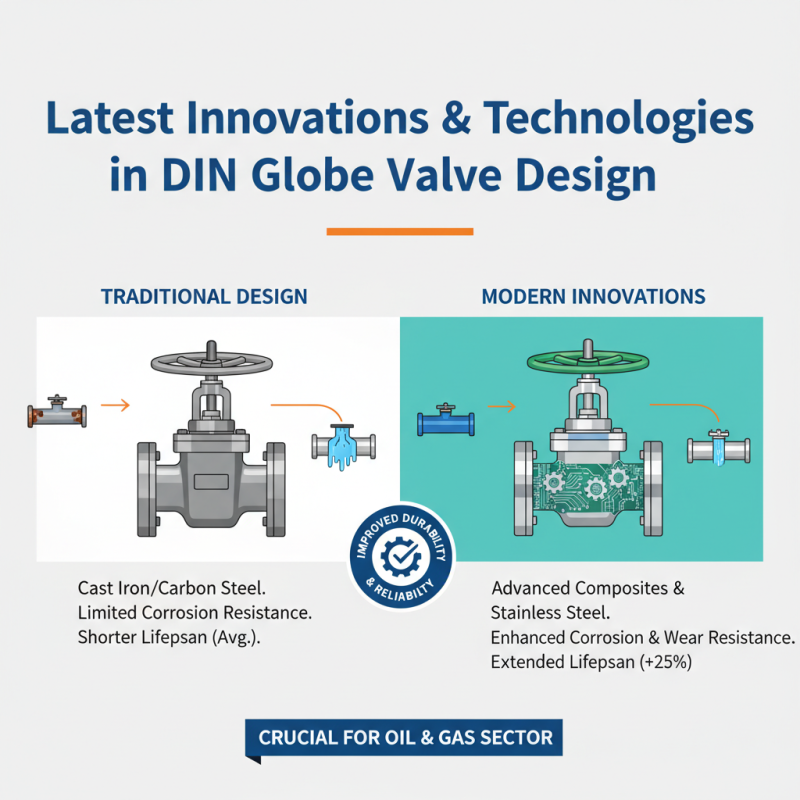
Latest Innovations and Technologies in Din Globe Valve Design
The landscape of DIN globe valve design is experiencing rapid transformation, driven by innovations in materials and technology. Recent industry reports indicate that advanced composites and stainless steel are increasingly utilized in valve construction. These materials offer enhanced resistance to corrosion and wear, boosting overall durability. Research shows that valves made with such materials have a lifespan increase of up to 25%. This is crucial in sectors like oil and gas, where reliability is paramount.
Moreover, smart technology integration is redefining valve control systems. Modern DIN globe valves now feature electronic actuators and IoT connectivity. This allows for real-time monitoring and remote management. A study by the Valve Manufacturers Association highlights that the adoption of smart valves can improve operational efficiency by 30%. However, the initial cost of these advanced systems can be a barrier for some buyers, creating a need for robust cost-benefit analyses.
Despite these advancements, some challenges remain in widespread adoption. Not all facilities are equipped to handle the complexities of newer technologies. Continued education and training are essential to bridge this gap. For global buyers, selecting valves that align with modern standards while navigating these innovations poses both risks and opportunities. Balancing cutting-edge technology with traditional methods may yield optimal performance but requires careful consideration.




 Zalo
Zalo