Best Din Gate Valves for Global Buyers in 2026?
In the ever-evolving landscape of industrial valves, the demand for high-quality Din Gate Valves is projected to grow significantly by 2026. According to a recent report by MarketsandMarkets, the gate valve market is expected to reach $11 billion globally by 2025, driven by increased investments in water and wastewater management. Experts believe that the introduction of advanced materials will enhance the durability and efficiency of these valves.
A leading authority in valve manufacturing, Dr. Alice Thompson, emphasizes, “Investing in reliable Din Gate Valves is crucial for long-term operational success.” Her insights highlight the importance of quality and reliability in selecting gate valves for industrial applications. Nevertheless, not all Din Gate Valves on the market meet the stringent performance standards required.
Buyers must critically assess the features and certifications of these valves. The challenge lies in distinguishing between products that deliver value and those that don’t. As the market expands, ensuring the right selection will be essential. This balance between performance, cost, and long-term reliability remains a focal point for all stakeholders in the valve industry.
Overview of DIN Gate Valves: Features and Specifications
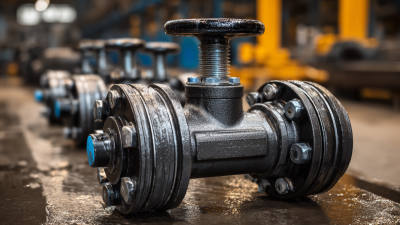
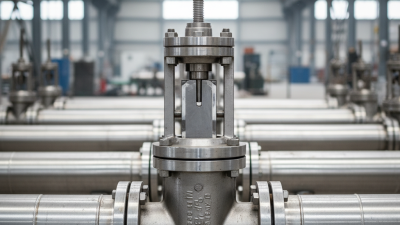
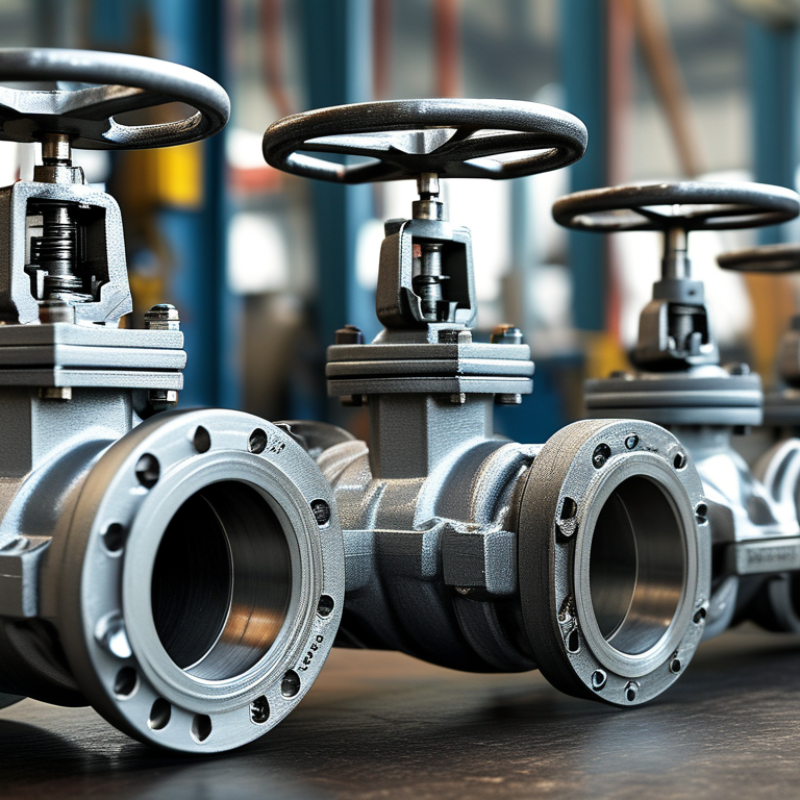
DIN gate valves are vital components in various industries, including oil and gas, water treatment, and manufacturing. They typically feature a simple design with a wedge-shaped disc that moves vertically to control flow. This fundamental design ensures minimal pressure loss, making them efficient in fluid-handling applications. The materials used in these valves often include cast iron, stainless steel, or brass, allowing for both durability and corrosion resistance.
One notable specification is the pressure rating, which commonly ranges from PN10 to PN40. This rating indicates the valve's ability to withstand internal pressures. Additionally, many DIN gate valves come with a hand wheel or actuator for ease of operation. However, it's essential to recognize that not all gate valves are suitable for throttling service. Using them inappropriately can lead to performance issues or even failure.
Selecting the right valve requires understanding the specific application. It is crucial to assess factors like temperature, pressure, and medium type. Not every valve will meet every requirement. Buyers often overlook compatibility, leading to costly adjustments or replacements. Continuous evaluation of performance and specifications is necessary for optimizing valve selection. This process can be tedious, but it's vital for operational efficiency.
Key Players in the Global DIN Gate Valve Market for 2026
The global DIN gate valve market is set for significant transformation in 2026. Recent industry reports indicate substantial growth, driven by increasing demand across various sectors. Experts forecast the market will expand at a CAGR of around 5.2% from 2023 to 2026. This growth is fueled by rising investments in infrastructure and energy projects worldwide.
Key players in this market are focusing on enhancing efficiency and duration. Manufacturers are investing in advanced materials to improve durability and resistance against corrosion. Enhanced manufacturing processes are also contributing to better valve performance. Recent data shows that 35% of global purchases are directed towards smart valve technologies, reflecting an industry shift towards automation.
However, challenges remain. Supply chain disruptions and fluctuating raw material prices impact production timelines. Companies must adapt to these challenges by refining sourcing strategies. Additionally, sustainability concerns are pressing. The need for environmentally friendly solutions is growing. Companies will need to balance profitability with ecological responsibility moving forward.
Emerging Trends in DIN Gate Valve Technology and Design
The technology behind DIN gate valves is evolving rapidly. New materials are being used to enhance durability and performance. This offers significant advantages in various industrial applications. For instance, lightweight composites can reduce wear and tear. Such improvements may lead to longer service life and lower maintenance costs.
Design trends are also shifting. Manufacturers are focusing on user-friendly features. Easy installation and adaptability to different systems are in high demand. Some new designs include quick installation flanges. These can save valuable time and resources during construction projects. However, it is essential to ensure that new designs do not compromise functionality or reliability.
Sustainability is another emerging trend. Many companies are looking to create eco-friendly products. This shift requires innovative approaches to materials and processes. While there is promise in these developments, challenges remain. Balancing performance, cost, and environmental impact is complex. Ongoing research and collaboration among experts will be crucial to achieving these goals.
Comparison of Leading DIN Gate Valve Brands and Models
When considering DIN gate valves, it's essential to analyze various brands and models. Each brand has unique features that appeal to specific industrial needs. The materials used in valve construction often affect durability and performance. High-quality stainless steel and ductile iron are common choices, ensuring resistance to corrosion and wear.
Different models offer distinct advantages. Some valves are designed for high-pressure environments, while others suit lower-pressure applications. Also, the size and design impact flow efficiency. During installation, compatibility with existing systems is crucial. Some users report challenges in fitting certain valves, indicating the need for careful evaluation.
As 2026 approaches, buyers should remain informed. New technologies may emerge, offering improved efficiency. It's critical to read user reviews and expert opinions. Gathering diverse perspectives can highlight potential issues. Ensuring a reliable valve is not just about brand names. Practical experience and thorough research play significant roles in making the best choice.
Best Din Gate Valves for Global Buyers in 2026
| Model |
Size (mm) |
Pressure Rating (PN) |
Material |
Special Features |
Price Range (USD) |
| Model A |
50 |
16 |
Cast Iron |
Corrosion Resistant |
$150 - $200 |
| Model B |
80 |
20 |
Stainless Steel |
High Flow Rate |
$250 - $300 |
| Model C |
100 |
25 |
Ductile Iron |
Sealed to Prevent Leaks |
$300 - $350 |
| Model D |
150 |
16 |
Bronze |
Lightweight |
$200 - $250 |
| Model E |
200 |
40 |
PVC |
Chemical Resistant |
$180 - $220 |
Factors Influencing Purchasing Decisions for DIN Gate Valves in 2026
When considering the purchase of DIN gate valves in 2026, various factors will come into play. Buyers should understand their specific needs first. Do you require high pressure tolerance? Or are you focusing on temperature control? The application dictates the appropriate valve specifications.
Cost-effectiveness is another crucial aspect. While cheaper options may seem tempting, they can lead to additional expenses in maintenance or replacement. Balancing upfront cost with long-term benefits is vital. Think about the materials used in manufacturing the valves. Corrosive environments demand high-grade materials to minimize failures.
**Tips:** Always request detailed specifications from suppliers. Check for certifications and compliance with international standards. It helps ensure you choose reliable products suitable for your industry.
Additionally, consider the supplier's reputation. Look for experienced manufacturers with proven track records. A well-reviewed supplier often translates to quality assurance. Don’t overlook user feedback; it can highlight practical issues. Testing products before full-scale purchasing can minimize risks and regrettable decisions.




 Zalo
Zalo