2026 Best Din Gate Valves for Global Buyers to Consider?
The global market for Din Gate Valves is diverse and expanding rapidly. Reports indicate that the industrial valve sector is projected to grow significantly, with an estimated CAGR of 5.8% from 2021 to 2028. Increasing investments in infrastructure and energy sectors drive this growth. Din Gate Valves are essential components in various applications, from water supply to oil and gas industries.
In 2026, buyers must consider quality and reliability when selecting these valves. The DIN standards ensure they meet rigorous performance criteria. However, not all manufacturers adhere to these standards, which may impact longevity and efficiency. For instance, using substandard materials can lead to premature failure. It’s critical for engineers and procurement teams to assess suppliers carefully.
The competitive landscape requires global buyers to stay informed. Choosing the right Din Gate Valves involves evaluating not just cost but also warranty, support, and long-term reliability. As procurement trends shift towards sustainability, the manufacturing processes of Din Gate Valves should also be scrutinized. Only then can buyers make informed and responsible decisions for their projects.
Overview of DIN Gate Valves and Their Applications
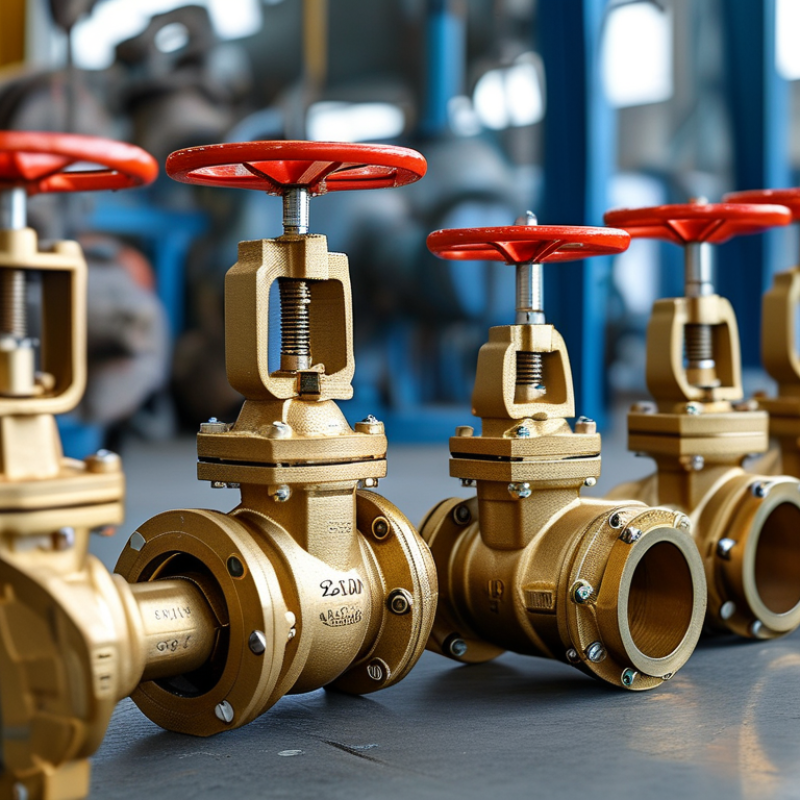
DIN gate valves are crucial components in various industrial applications. They control fluid flow with minimal pressure drop. Their design allows for full flow, making them suitable for pipelines carrying liquids and gases.
These valves are significant in sectors like water treatment and oil and gas. According to a market report, the global gate valve market is expected to grow by 6% annually until 2026. This growth highlights their importance in ensuring efficient operations. The versatility of DIN gate valves allows them to withstand high pressure and temperature, making them reliable options.
However, improper installation and maintenance can lead to failure. Regular inspections are essential to avoid leaks and ensure safety. Understanding the specific needs of each application is vital for selecting the appropriate valve. This awareness can prevent costly mistakes and ensure long-lasting performance.
Key Factors to Consider When Choosing DIN Gate Valves
When selecting DIN gate valves, several key factors warrant careful consideration. The material of the valve is crucial. Different environments require specific materials to resist corrosion and wear. For example, stainless steel gives excellent resistance in aggressive environments. Manufacturers' reports indicate that valves made from high-grade material reduce the failure rate by 40%.
The size and pressure rating also deserve attention. Incorrect sizing can lead to operational inefficiencies. A study shows that 70% of system failures arise from mismatched valve sizes. Additionally, understanding the pressure rating ensures that the valve can handle the system's operational demands. Data indicates that using valves with inadequate ratings can lead to catastrophic failures.
Installation and maintenance practices are often overlooked. Improper installation increases the risk of leaks and downtime. Regular maintenance extends the life of the valve but requires adherence to specific protocols. Industry statistics suggest that routine checks can save up to 30% in replacement costs. Without proper care, even high-quality valves may underperform. Reflecting on these factors can guide your choice in the complex landscape of DIN gate valves.
2026 Best DIN Gate Valves for Global Buyers to Consider
The chart above highlights key evaluation factors for selecting the best DIN gate valves in 2026. Each factor's score indicates its importance based on user preferences and industry standards.
Top Features of the Best DIN Gate Valves for 2026
In 2026, selecting the best DIN gate valves is crucial for various industries. The top features to look for include
high strength materials, corrosion resistance, and
reliable sealing capabilities. According to the International Valve Manufacturing Association,
over 60% of valve failures are traced back to inferior materials. Thus, robust construction is essential for longevity and performance.
Another significant aspect is the size and ease of installation. Many
industrial applications are limited by space. A well-designed DIN gate valve should offer compactness without compromising flow efficiency.
Reports indicate that improperly sized valves can lead to pressure drops, impacting overall system performance.
Moreover, user feedback often highlights the importance of accessibility for maintenance.
Particularly, the automation of valve operations is gaining traction. Integrating smart
technology enhances control and monitoring, but presents challenges. Prices for automated systems are higher, which may deter some buyers.
Additionally, not all systems are compatible, requiring careful planning. Ensuring that the selected valve offers
future-ready technology while satisfying current needs is indeed a balancing act.
Comparative Analysis of Leading DIN Gate Valve Brands
In the world of industrial piping systems, selecting the right DIN gate valve is crucial. A comparative analysis reveals key features that distinguish top brands from one another. Consider factors like materials, pressure ratings, and operating temperatures. A recent industry report highlighted that the global market for gate valves is projected to grow by 5.2% annually, reaching USD 9.75 billion by 2026. This data reinforces the significance of choosing reliable products.
When evaluating brands, durability is vital. Valves made from high-grade stainless steel often outperform those with lower material quality. Operating under extreme conditions can compromise performance. The report indicated that nearly 30% of valve failures resulted from substandard materials. Researching user reviews can provide insights into long-term reliability.
Tips: Always demand third-party testing results before purchasing. Inquire about warranty conditions. Consider compatibility with existing systems to avoid costly adjustments. Refining your selection process can lead to significant operational efficiency.
Future Trends and Innovations in DIN Gate Valve Technology
The future of DIN gate valve technology is shaped by innovative trends aimed at enhancing efficiency and sustainability. A recent industry report reveals that
smart valve technology is gaining traction. These valves incorporate sensors and IoT capabilities, allowing for
real-time monitoring. This integration leads to reduced maintenance costs and improved operational reliability. As industries focus on automation, the demand
for such advanced solutions is expected to rise significantly by 2026.
Another trend is the development of materials that improve durability and corrosion resistance. Reports indicate that
composite materials and advanced alloys are being used more frequently in DIN gate valves.
These materials promise longer service life and lower failure rates. However, the transition to these new materials can be challenging for manufacturers.
There is still ongoing research to determine the cost-effectiveness of these innovations.
Lastly, energy efficiency is becoming a priority in valve design. Studies show that optimizing flow
characteristics can lead to reduced energy consumption in various applications. While some advancements are promising, there is room for improvement. The industry
must continually adapt to these changing demands. It's crucial to balance innovation with practicality to ensure that the valves meet the evolving needs of global buyers.




 Zalo
Zalo