Top 10 Benefits of Using Din Bellows Sealed Valves?
In the realm of industrial applications, the choice of valves plays a pivotal role. Din Bellows Sealed Valves have emerged as a preferred option for many industries. These valves stand out for their unique sealing mechanism that prevents leakage. They offer numerous advantages, which can significantly impact operational efficiency.
One notable benefit is their ability to maintain integrity under extreme conditions. These valves can handle high pressures and temperatures, making them suitable for various applications. Their design minimizes the risk of contamination, an essential factor in industries like pharmaceuticals and food processing. Moreover, Din Bellows Sealed Valves are known for their durability, which often results in lower maintenance costs.
Yet, there are challenges to consider. The initial investment may be higher compared to standard valves. Organizations must weigh the long-term benefits against upfront costs. Additionally, installation may require specific skills, leading to possible delays. Despite these concerns, the advantages make Din Bellows Sealed Valves a compelling choice for many.
Understanding Din Bellows Sealed Valves: An Overview
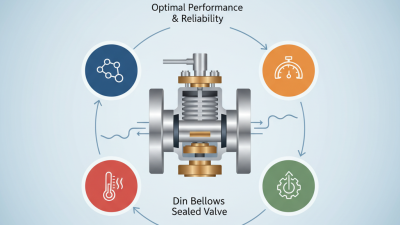
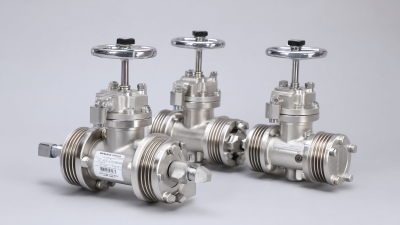
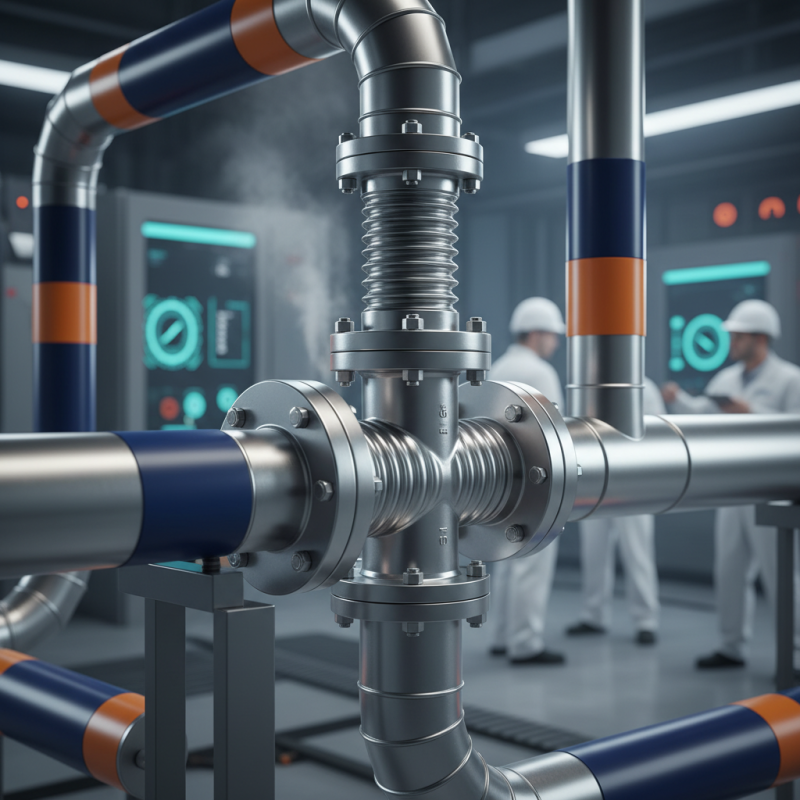
Din bellows sealed valves are specialized components used widely in various industries. They are designed to provide a tight seal while preventing leakage. These valves feature a flexible bellows that isolates the stem from the media inside the valve. This design minimizes the risk of contamination, making them ideal for sensitive applications.
One notable advantage is their reliability. The bellows create a secure barrier. They resist wear and tear better than traditional seals. However, it's essential to consider potential challenges. Damage can occur if not maintained properly. Environment plays a role, too. Harsh conditions may impact the integrity of the bellows.
Tips: Regular inspections can help avoid issues. Keep an eye out for signs of wear. Also, ensure that the installation aligns with manufacturer guidelines. Proper alignment affects performance greatly. Remember, if the stem is misaligned, it leads to uneven pressure distribution.
Overall, the versatility of Din bellows sealed valves cannot be overstated. They are suitable for both high-temperature and high-pressure environments. However, operators should be vigilant. Understanding the specific needs of your application is crucial. Make informed choices based on your operational environment.
Enhanced Leak Prevention Features of Din Bellows Sealed Valves
Din bellows sealed valves are becoming popular in various industries due to their enhanced leak prevention features. These valves utilize a bellows design that provides a tight seal, minimizing the risk of leaks in critical applications. The bellows element is made of flexible material, which adapts to movements without compromising the seal. As a result, the risk of fluid leaks is significantly reduced.
Effective installation is vital for maximizing the benefits of these valves. Incorrect installation can lead to leaks, defeating the purpose of the bellows design. Always ensure that the bellows are correctly positioned and that all connection points are secure. Inspect the valve regularly to identify any signs of wear or damage.
You might think bellows sealed valves are perfect, but they aren't without challenges. Over time, bellows can wear out, especially in harsh conditions. Regular maintenance becomes essential. Ensure that your system includes a routine check-up for these valves.
Keeping your equipment in top shape prevents unexpected leaks and costly repairs. Regularly review the valve’s performance to identify any potential issues early on.
Material Durability and Corrosion Resistance in Bellows Sealed Valves
Bellows sealed valves are increasingly recognized in various industries for their impressive material durability and corrosion resistance. A report by the American Society of Mechanical Engineers indicates that these valves can last up to 20% longer than standard valves in corrosive environments. This enhanced longevity is crucial in applications involving harsh chemicals or extreme temperatures, where equipment failure can lead to costly downtime.
The materials used in bellows sealed valves play a significant role in their performance. Common materials include stainless steel and special alloys designed to withstand corrosion. Research shows that using high-grade materials can reduce maintenance costs by approximately 15% over five years. This reduction is particularly valuable for industries like oil and gas, where equipment reliability is essential.
In practice, not all bellows sealed valves perform as expected. Some fail to provide adequate sealing, leading to potential leaks and inaccuracies. Users should conduct regular inspections to ensure functionality. Despite their advantages, careful selection and maintenance are necessary to leverage the full benefits of these valves.
Top 10 Benefits of Using Din Bellows Sealed Valves
This chart illustrates the top benefits of using Din bellows sealed valves, focusing on key material properties such as durability and corrosion resistance.
Applications of Din Bellows Sealed Valves Across Various Industries
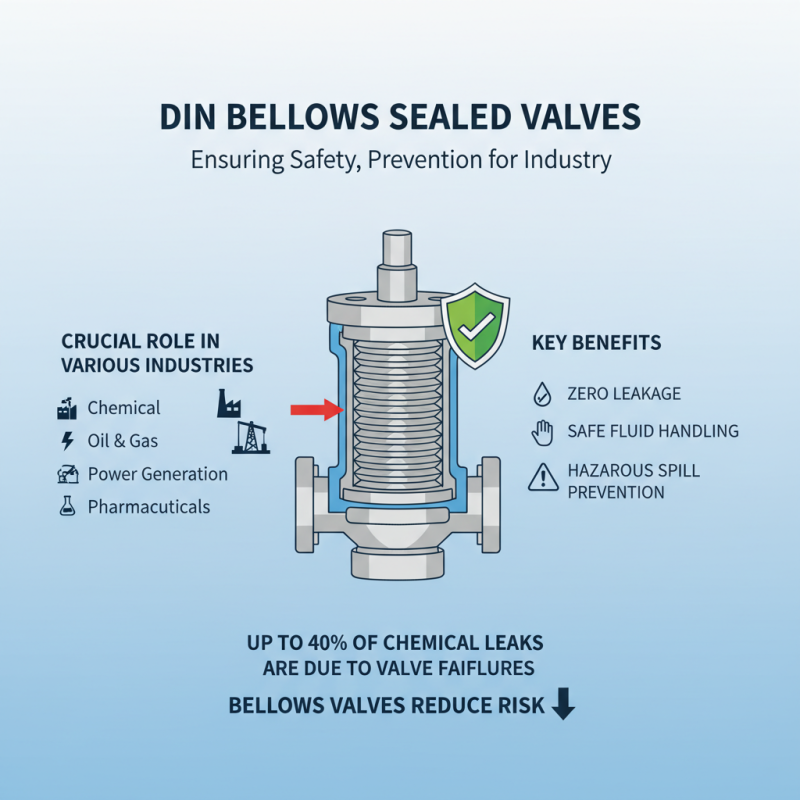
Din bellows sealed valves play a crucial role across various industries. They are designed to prevent leakage and ensure the safe handling of fluids. In the chemical sector, for instance, these valves protect against hazardous spills. According to a recent industry report, up to 40% of chemical leaks occur due to valve failures. Using bellows sealed valves can significantly reduce this risk.
In the pharmaceutical industry, precise control is essential. Din bellows sealed valves provide excellent sealing capabilities, which helps maintain sterile conditions. A market analysis shows that around 35% of contamination issues arise from equipment failures. This statistic highlights the need for reliable sealing solutions. Furthermore, their ability to manage high pressure and corrosive materials makes them indispensable for many applications.
The food and beverage sector also benefits from the use of these valves. They help maintain flow control while ensuring hygiene. However, improper installation can lead to issues. Many facilities overlook the importance of regular maintenance, resulting in potential downtimes. Investing time in training employees on these systems can mitigate such issues and enhance overall efficiency. While the advantages are clear, continuous improvement in practices is necessary for optimal operation.
Cost-Effectiveness and Longevity of Din Bellows Sealed Valves
Din bellows sealed valves are increasingly recognized for their cost-effectiveness and longevity. These valves utilize a unique sealing technology, which minimizes leakage and reduces maintenance costs. According to industry data, the average lifespan of a bellows sealed valve can exceed 25 years. This far surpasses traditional valves, which often require replacement every 5 to 10 years.
The initial investment in din bellows sealed valves may be higher than other options. However, companies often see a return on investment within a few years. Studies indicate that reducing leaks can save facilities up to 30% on operational costs. This statistic underscores the financial benefits of using bellows sealed valves in critical applications.
While the advantages are significant, challenges remain. Installation and training may require specialized skills. Not all facilities are prepared for this transition. Additionally, the upfront costs can be a barrier for some organizations. Despite these issues, many manufacturers find that the long-term savings and efficiency outweigh the initial hurdles. Investing in bellows sealed valves can lead to sustained success and operational efficiency.
Top 10 Benefits of Using Din Bellows Sealed Valves
| Benefit |
Description |
Cost-Effectiveness |
Longevity |
| 1. Leak Prevention |
Minimizes the risk of leaks due to its design. |
Reduces maintenance costs. |
Extended service life compared to traditional valves. |
| 2. Low Friction |
Ensures smooth operation with minimal wear. |
Lower energy consumption. |
Longer operational life. |
| 3. Versatility |
Suitable for a wide range of applications. |
Reduces the need for multiple valve types. |
Lasts in diverse environments. |
| 4. Easy Maintenance |
Simplified maintenance procedures. |
Lower downtime costs. |
Fewer repairs needed over time. |
| 5. Enhanced Safety |
Reduces accident risks by minimizing leaks. |
Potential for lower insurance costs. |
Reliable in high-pressure situations. |
| 6. High Performance |
Maintains optimal flow control. |
Improves process efficiency. |
Durable under varying conditions. |
| 7. Corrosion Resistance |
Resists damage from aggressive chemicals. |
Longer lifespan reduces replacement costs. |
Maintains functionality over years. |
| 8. Compact Design |
Saves space in installation areas. |
Fewer installation materials required. |
Easy to replace when necessary. |
| 9. Environmental Impact |
Reduces risk of leaks into the environment. |
Minimizes waste and cleanup costs. |
Sustainable usage over time. |
| 10. Quality Assurance |
Manufactured to high standards. |
Reduces the risk of faulty installations. |
Increased reliability over lifecycle. |




 Zalo
Zalo