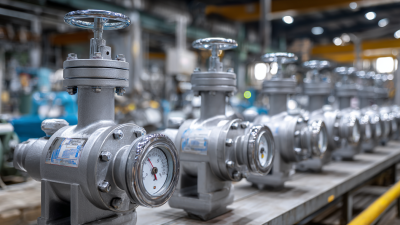
Top 5 Benefits of Din 3352 F4 Resilient Seated Gate Valves for Water Management Systems
In the realm of water management systems, the choice of valves plays a critical role in ensuring efficiency, reliability, and longevity of operations. Among the various options available, the
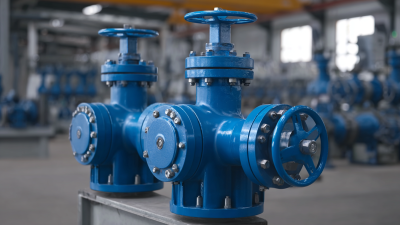
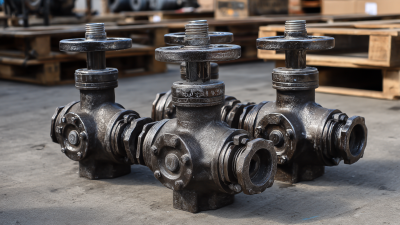
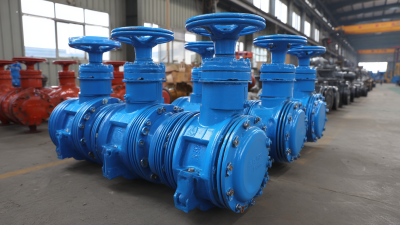
Din 3352 F4 Resilient Seated Gate Valves have emerged as a preferred choice for many engineers and water system planners. Recognized for their robust construction and resilient design, these valves provide significant advantages that enhance the functionality and sustainability of water distribution networks.
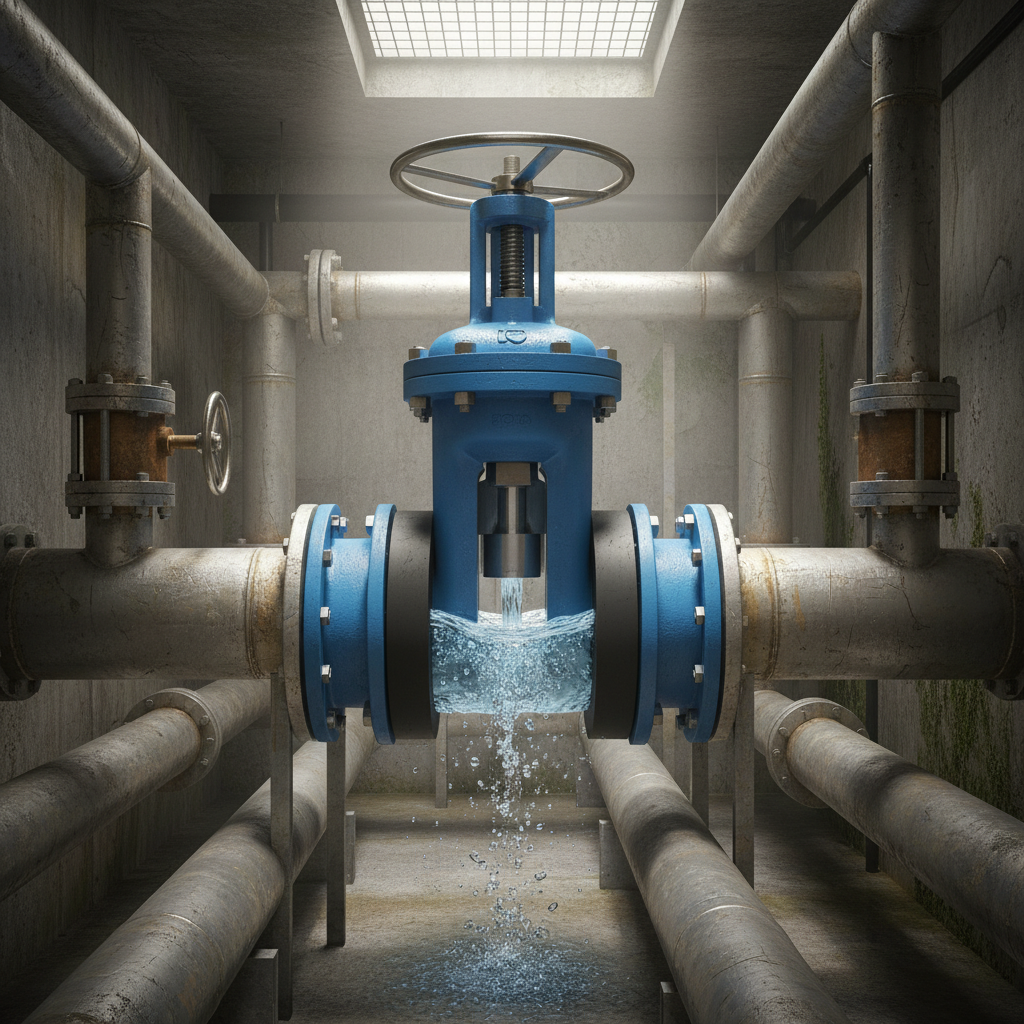
The Din 3352 F4 Resilient Seated Gate Valves not only facilitate effective control over water flow but also minimize the risk of leaks and failures, substantially reducing maintenance costs. As we explore the top five benefits of these valves, it becomes clear that their unique features are tailored to meet the demanding requirements of modern water management systems. From improved sealing capabilities to user-friendly operation, these valves pave the way for more efficient water systems, making them an indispensable asset in today's infrastructure development.
In this article, we will delve into the compelling advantages offered by the Din 3352 F4 Resilient Seated Gate Valves, illustrating why they stand out as a top choice for enhancing the performance and reliability of water management solutions.
Understanding Din 3352 F4 Resilient Seated Gate Valves in Water Management
DIN 3352 F4 resilient seated gate valves are engineered for optimal performance in water management systems, offering advantages that are both practical and cost-effective. According to a report by the Water Environment Federation, the use of resilient seated gate valves can enhance fluid control, reduce maintenance costs, and improve operational efficiency. These valves feature a unique design that incorporates a softer seating material, which not only provides a tight seal but also reduces wear and prolongs the lifespan of the valve, making them a preferred choice for water utilities worldwide.
The importance of reliable water management systems cannot be overstated, especially in urban areas where water distribution challenges are prevalent. A study by the International Water Association indicates that integrating advanced valve solutions, such as the DIN 3352 F4 models, can lead to a 30% reduction in leakage rates. This is a significant factor in water conservation efforts, as every drop counts in ensuring sustainable water supply. Additionally, their simple design allows for easy installation and maintenance, minimizing downtime and further improving the overall functionality of water distribution networks.
Top 5 Benefits of Din 3352 F4 Resilient Seated Gate Valves for Water Management Systems
| Benefit |
Description |
Impact on Water Management |
| Durability |
Resilient seated design enhances resistance to wear and tear. |
Reduces maintenance costs and frequency of replacements. |
| Low Friction Loss |
Designed to minimize flow restriction. |
Increases efficiency in water transport systems. |
| Ease of Operation |
Simple manual or automated opening/closing mechanism. |
Improves system responsiveness and operational safety. |
| Corrosion Resistance |
Manufactured with materials that resist harsh environments. |
Extends the lifespan of water management infrastructure. |
| Environmental Safety |
Leak-proof design prevents contamination of water supply. |
Protects public health and maintains water quality. |
Key Advantages of Using Resilient Seated Gate Valves for Water Systems
Resilient seated gate valves, particularly the Din 3352 F4 models, play a crucial role in optimizing water management systems. One of the primary advantages of these valves is their durability and reliability. Constructed with a corrosion-resistant body and a resilient seat, they are designed to withstand the harsh conditions commonly found in water supply systems. This longevity reduces the need for frequent replacements, ultimately saving both time and money for maintenance.
Another key benefit is the superior sealing capabilities offered by resilient seated gate valves. The unique design ensures a tight seal under various pressure conditions, minimizing leaks and ensuring efficient flow management. This is especially important in water systems, where even minor leaks can lead to significant water loss and cost increases over time.
Tips: Regularly inspecting and maintaining your gate valves can greatly enhance their lifespan. Pay attention to the valve’s operational ease and check for any signs of wear or corrosion. Additionally, consider investing in modern smart water management technologies that can provide real-time data on valve performance and detect leaks early, further safeguarding your water resources.
How Din 3352 F4 Valves Improve Water Quality and Efficiency
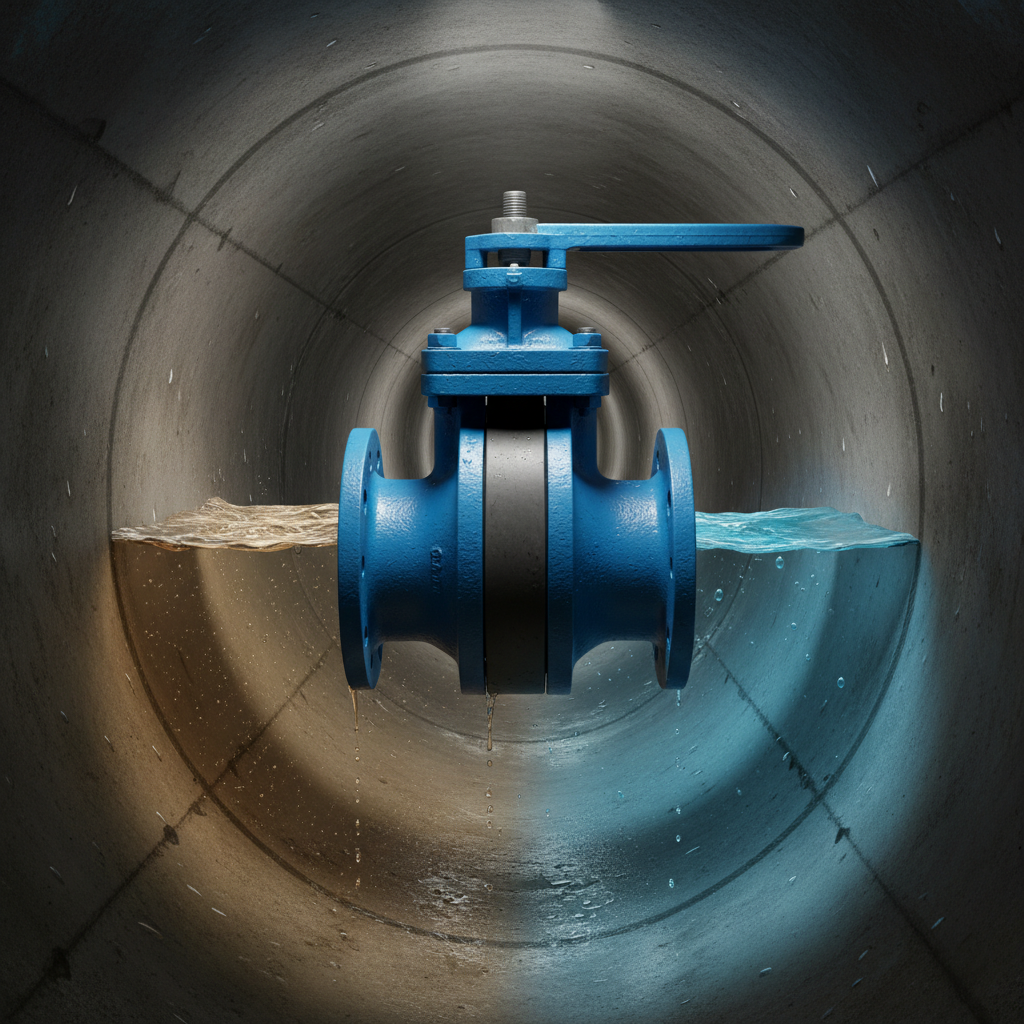
Din 3352 F4 resilient seated gate valves are engineered to enhance water management systems significantly. One of the primary improvements these valves offer is their ability to maintain water quality. Their resilient seating ensures a tight seal, preventing leaks and minimizing the risk of contamination. By effectively isolating sections of water systems, they help in maintaining the integrity of the water supply, which is critical in preventing pollutants from entering the clean water stream.
Moreover, the efficiency of water management systems is greatly enhanced by the use of Din 3352 F4 valves. Their design facilitates smooth operation and quick response during changes in flow conditions. This responsiveness not only optimizes water flow but also reduces energy consumption associated with water treatment processes. The durable construction of these valves ensures they withstand high-pressure conditions, further contributing to the overall reliability and efficiency of water distribution and management practices.
Ultimately, choosing Din 3352 F4 valves leads to improved operational performance and better water quality in various applications.
Installing and Maintaining Din 3352 F4 Gate Valves for Optimal Performance
The installation and maintenance of DIN 3352 F4 resilient seated gate valves are pivotal for ensuring optimal performance in water management systems. These valves, designed with a resilient seat, offer superior sealing capabilities that significantly reduce leakage rates. Industry studies indicate that using resilience-seated gate valves can decrease water loss by up to 30%, promoting more sustainable water management practices. Proper installation is crucial, as it directly impacts the efficiency and longevity of the valves. Following the manufacturer’s guidelines and utilizing skilled personnel for installation can mitigate risks of malfunction and ensure that the valves operate under their intended pressure ratings.
Regular maintenance is equally essential for maintaining the functional integrity of DIN 3352 F4 valves. According to a report by the International Water Association, up to 40% of valve failures can be traced back to inadequate maintenance practices. Implementing a routine inspection schedule, which includes checking for corrosion, wear, and proper operation, can help in identifying potential issues before they escalate. Moreover, incorporating real-time monitoring systems can provide valuable data on valve performance, allowing for proactive maintenance and minimizing downtime. By prioritizing both meticulous installation and ongoing maintenance, water management systems can leverage the full benefits of DIN 3352 F4 gate valves, ultimately leading to enhanced system reliability and efficiency.
Top 5 Benefits of DIN 3352 F4 Resilient Seated Gate Valves
Cost-Effectiveness of Din 3352 F4 Resilient Seated Gate Valves in Infrastructure Projects
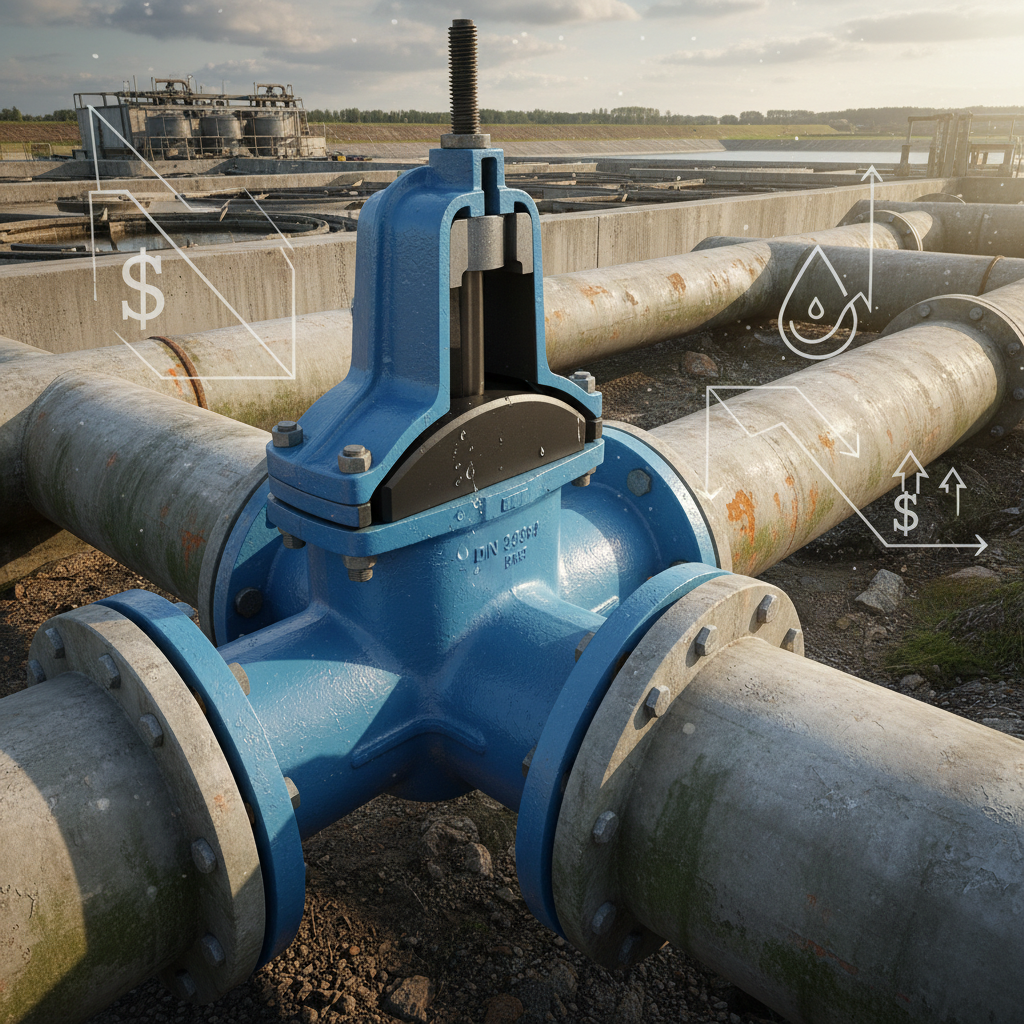
The cost-effectiveness of Din 3352 F4 resilient seated gate valves in infrastructure projects cannot be overstated.
These valves are designed with durability and efficiency in mind, significantly reducing maintenance and replacement costs over time.
The resilience of their seating surfaces ensures a tight seal, minimizing leakage which is essential in water management systems.
This feature not only conserves water but also lowers the expenses associated with lost resources, making them an economical choice for long-term infrastructure investment.
Moreover, the ease of installation and compatibility with existing systems further enhances their appeal in water management applications.
The reliability of these gate valves allows municipalities and contractors to allocate budget savings towards other critical areas of infrastructure development.
As project managers increasingly prioritize cost efficiency, the adoption of Din 3352 F4 resilient seated gate valves will likely continue to rise, solidifying their role as a key component in modern water management solutions.




 Zalo
Zalo