What is Api Bellows Sealed Gate Valves and How Do They Work?
In the realm of industrial valves, Api Bellows Sealed Gate Valves stand out for their unique design. These valves prevent leaks effectively, ensuring process integrity. "The durability and reliability of Api Bellows Sealed Gate Valves can revolutionize how facilities manage fluid dynamics," says John Smith, an expert in valve technology.
Api Bellows Sealed Gate Valves employ bellows to create a seal, eliminating the common leakage issues associated with traditional gate valves. Their construction allows for smooth operation under high pressure. However, they aren't impervious to all challenges. Maintenance remains crucial, as improper handling can lead to performance issues.
Choosing Api Bellows Sealed Gate Valves can be a game-changer for many industries, but it's not a one-size-fits-all solution. Understanding the specific requirements of each application is key. There are aspects to consider, such as installation and compatibility with existing systems. Industry professionals must weigh these factors carefully to make informed decisions.
What Are API Bellows Sealed Gate Valves?
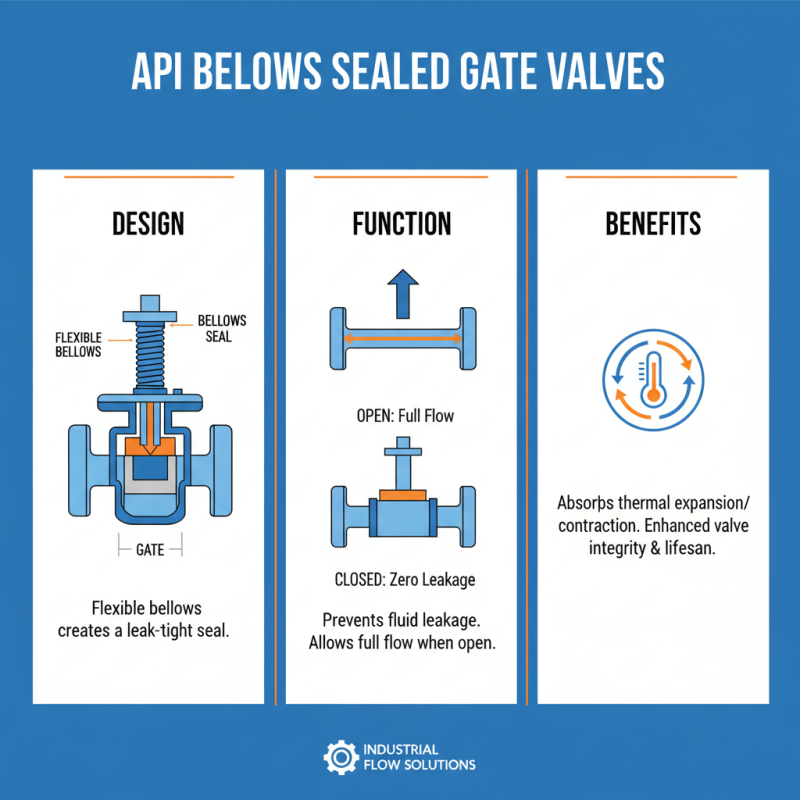
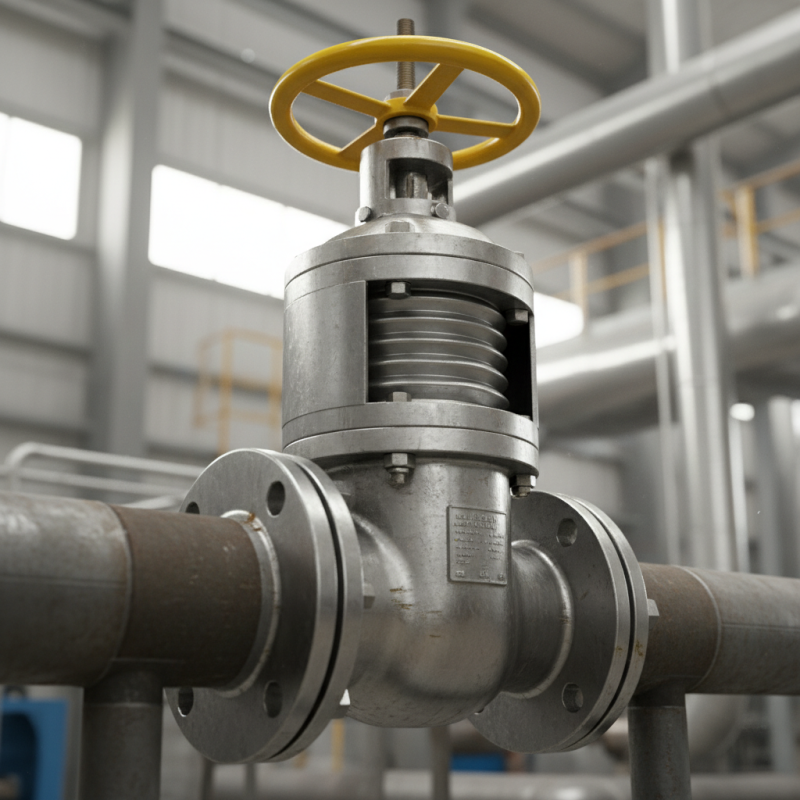
API bellows sealed gate valves are specialized devices used in various industries. They feature a unique design that incorporates a flexible bellows. This component creates a seal, preventing fluid leakage while allowing full flow when the valve is open. The bellows absorb any thermal expansion and contraction, which helps maintain the integrity of the valve.
One of the main advantages of these valves is their ability to eliminate the need for packing materials. Traditional gate valves often experience wear and tear due to friction. In contrast, API bellows sealed valves reduce maintenance needs. However, the manufacturing process can be complex. This complexity might lead to higher costs and challenges during installation. Engineers must ensure proper alignment and compatibility with other systems.
Despite their benefits, it’s essential to consider certain limitations. These valves may not be suitable for all applications. Factors like pressure and temperature can impact performance. Users must conduct thorough assessments before selecting this type of valve. The design looks simple, but it requires careful thought and planning. Quality control is crucial during production to avoid potential failures.
Key Features and Benefits of Bellows Sealed Design
Bellows sealed gate valves are essential components in various industries. Their unique design features a flexible bellows that provides a reliable seal against leakage. This design eliminates the need for conventional packing materials, which can wear out over time. By preventing leakage, these valves reduce the risk of contamination, making them ideal for chemical and food processing applications.
One of the main benefits of the bellows sealed design is its durability. The bellows can withstand frequent cycling without losing integrity. This durability can lead to lower maintenance costs over time. Additionally, the compact design allows for easy installation in tight spaces. However, the manufacturing process can be complex, potentially leading to inconsistencies. It’s essential to ensure proper quality control to minimize these issues.
Another key feature is the ability to maintain a robust seal under pressure. This ensures that operations remain safe and efficient. However, improper installation can lead to failures, requiring careful training for personnel. It’s vital to understand these risks and address them proactively. Acknowledging these aspects can enhance operational reliability and performance.
What is Api Bellows Sealed Gate Valves and How Do They Work? - Key Features and Benefits of Bellows Sealed Design
| Feature |
Description |
Benefits |
| Bellows Seal |
A flexible metal bellows that seals the stem and prevents leakage. |
Reduces potential leak points and enhances reliability. |
| Gate Design |
A full bore design allowing for minimal flow resistance. |
Improves flow rates and minimizes pressure drop. |
| Corrosion Resistance |
Made from high-quality alloys and materials. |
Extends service life in challenging environments. |
| Low Maintenance |
Designed to operate without frequent servicing. |
Reduces operational costs and downtime. |
| Temperature and Pressure Ratings |
Available in a wide range of ratings for various applications. |
Versatile and suitable for many industrial applications. |
How Bellows Sealed Gate Valves Prevent Leakage
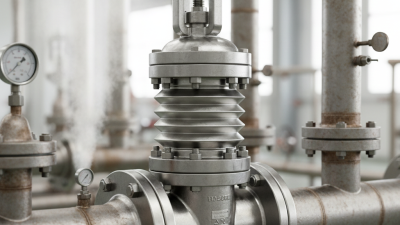
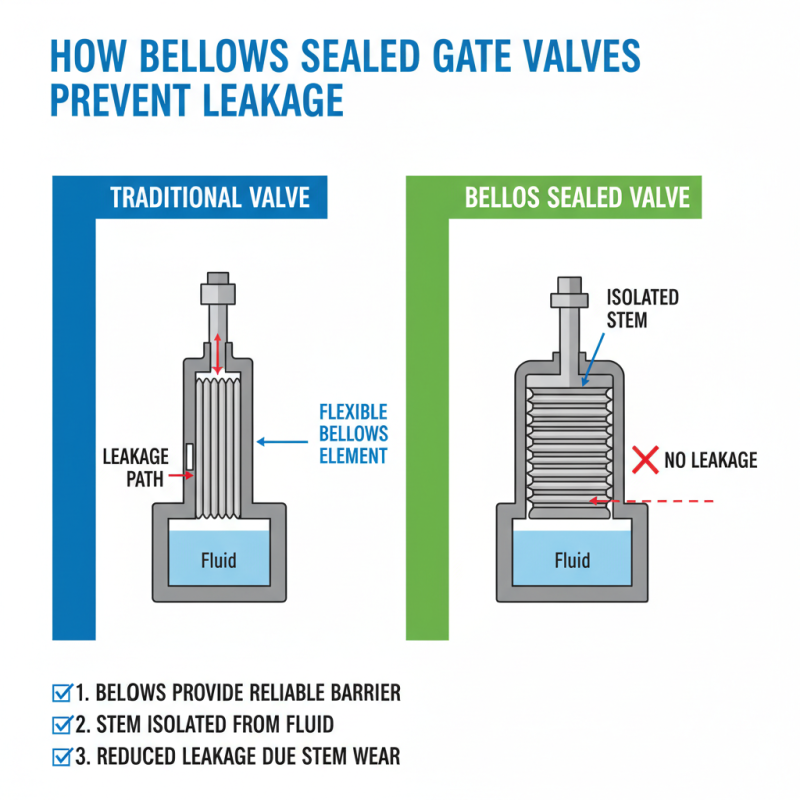
Bellows sealed gate valves play a crucial role in preventing leakage in various industrial applications. Unlike traditional valves, they feature a bellows element made from flexible material. This design provides a reliable barrier against the environment. The bellows effectively isolate the stem from the fluid. As a result, the chances of leakage due to stem wear are significantly reduced.
According to a study published by the American Society of Mechanical Engineers (ASME), leakage rates in conventional valves can exceed 100 milliliters per minute at high pressures. In contrast, bellows sealed gate valves can achieve leakage rates as low as 0.01 milliliters per minute. This dramatic reduction underscores their efficiency. Industries such as oil and gas, chemicals, and pharmaceuticals benefit immensely from these valves. However, it is essential to consider that not all bellows materials are suitable for every application. Proper selection is key.
Installation and maintenance also require attention. While these valves greatly reduce leakage, mishandling can lead to failure. Regular inspections are necessary to ensure the integrity of the bellows. A study by the Valve Manufacturers Association (VMA) indicates that 15% of valve failures stem from improper maintenance practices. Thus, while bellows sealed gate valves offer superior leak prevention, careful management is needed to maximize their benefits.
Applications of API Bellows Sealed Gate Valves in Industry
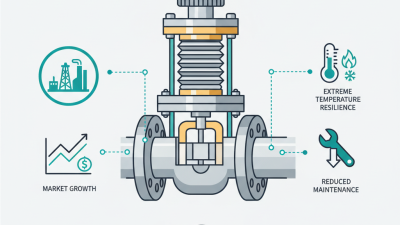
API bellows sealed gate valves are essential components in various industries. They offer reliable performance in high-pressure and high-temperature applications. These valves are designed to prevent leakage by utilizing a flexible bellows that seals the stem, minimizing the risk of contamination.
In the oil and gas sector, API bellows sealed gate valves are crucial. They withstand extreme conditions and maintain integrity during transportation. A report from the Global Valve Market indicates that demand for these valves has increased by 15% in recent years. Such growth reflects their success in reducing leak incidents.
In the chemical processing industry, these valves are equally important. They protect against spills and environmental hazards. According to industry research, proper valve selection can enhance safety and efficiency by 25%. Regular maintenance and inspection are key for ensuring longevity and effectiveness.
Tips: Always conduct regular inspections. Replace worn components promptly. Research thoroughly before making a purchase decision. Investing time in proper maintenance pays off in the long term.
Comparison of Bellows Sealed Valves to Traditional Gate Valves
Bellows sealed valves are designed to prevent leakage, offering a reliable solution for sensitive applications. Unlike traditional gate valves, these valves utilize a flexible bellows that isolates the stem from the fluid. This unique design minimizes the potential for leakage, which is critical in many industrial environments. The bellows can endure high pressures and temperatures, making them suitable for various settings.
Traditional gate valves, while widely used, have a more straightforward design. They rely on a wedge-shaped gate to create a seal. This can lead to wear and tear over time, which increases the risk of leaks. Maintenance can be labor-intensive, often requiring complete disassembly. In contrast, bellows sealed valves require less frequent maintenance due to their durability. However, they can be more expensive upfront, raising the question of long-term value versus initial cost.
Operators often face challenges when choosing between the two types. The decision hinges on specific application needs. Some industries prioritize safety and reliability over cost. Others may find that a traditional gate valve meets their needs adequately. Understanding the nuances of each valve type is essential for making an informed choice. It’s a complex balance between price, performance, and safety.
Comparison of Bellows Sealed Valves to Traditional Gate Valves




 Zalo
Zalo